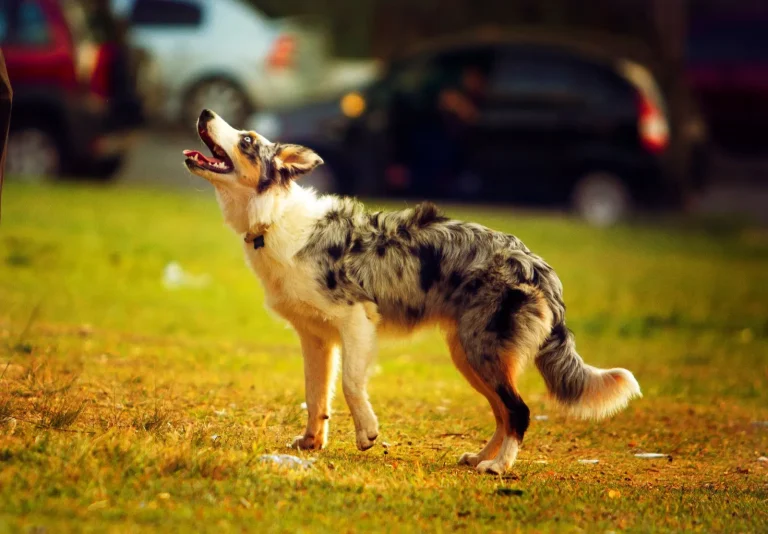


After working with Australian Shepherds for years, I’ve noticed that the differences between males and females go beyond what you’ll find in a breed standard. The variations are real, but they’re often misunderstood or overstated. What matters most depends on the individual dog, the environment, and what you’re actually looking for in a companion or working animal.
Size is the most obvious distinction. Males typically run between 50 to 65 pounds, while females land closer to 40 to 55 pounds. That’s a meaningful difference when you’re handling a dog daily – it affects how much force they can exert, how much space they need in a vehicle, and the physical demands of managing them during walks or training. A larger male can be harder to physically control if he hasn’t been socialized well or if he’s excited. A smaller female might be easier to manage in tight spaces, though I’ve seen plenty of compact females with the same stubborn streak as any male.
Height follows a similar pattern. Males stand around 20 to 23 inches at the shoulder, females 18 to 21 inches. Again, this matters more in practical terms than it sounds. A taller dog can reach higher shelves, jump fences more easily, and has a different center of gravity when moving. I’ve had to adjust training approaches based on this alone – a tall male jumping on guests requires different management than a shorter female doing the same thing.
Temperament and Drive Differences
The behavioral gap between males and females tends to be more pronounced than size, though it’s also more variable. Intact males often display stronger territorial instincts and can be more assertive with other dogs, particularly other males. This isn’t aggression in most cases – it’s just a confidence and boundary-setting behavior that shows up more frequently in unneutered males. Once neutered, this difference softens considerably, though the baseline personality usually remains.
Females, in my experience, tend to be more independent-minded and selective about who they bond with. They’re not necessarily less affectionate, but they often choose when and how they engage. A female might be perfectly content in the same room as you without needing constant interaction, whereas a male might seek more regular reassurance and physical contact. This can make females seem aloof to new owners, but it’s usually just a preference for autonomy rather than a lack of attachment.
Energy levels don’t split cleanly along gender lines. I’ve worked with high-drive females that needed as much mental stimulation as any male, and laid-back males that were happy with moderate exercise. The breed standard calls for an energetic dog overall, and that’s what you get regardless of sex. What does vary is how they express that energy. Males sometimes channel it into more direct, physical activity – running, jumping, playing rough. Females might direct it into problem-solving, herding behavior, or more sustained focus on a single task.
Behavioral Quirks and Training Response
Training responsiveness is where gender differences become practically relevant. Males often respond well to consistent, straightforward commands and tend to be eager to please once they understand what you want. They can be more food-motivated and sometimes easier to condition quickly. Females, by contrast, often need to understand the why behind a command. They’re more likely to question an instruction if it doesn’t make sense to them, which can read as stubbornness but is really just a different cognitive approach.
This doesn’t mean females are harder to train – just different. If you’re patient with that independent streak and can explain the logic of what you’re asking, they often retain training better long-term. Males might forget commands faster if they lose interest or if the reward structure changes. I’ve found that females do particularly well with puzzle-based training and jobs that require problem-solving, while males often excel in repetitive, reward-driven scenarios.
Marking behavior – both indoors and outdoors – is more common in intact males, though neutered males and females can exhibit it too. This is less about gender and more about individual temperament and early socialization. I’ve had females that marked territory indoors when stressed, and males that never did. The key factor is usually how early they were neutered or spayed and whether they were exposed to other dogs during puppyhood.
Heat Cycles and Reproductive Considerations
If you’re keeping an intact female, her heat cycle will affect her behavior and your management routine. Females typically cycle twice yearly, and during that time they can be more anxious, clingy, or distracted. Some become less responsive to training during this period. The cycle itself lasts around three weeks, and you’ll need to manage her environment carefully to prevent unwanted breeding. For most pet owners, spaying before the first heat is simpler than managing intact females long-term.
Intact males, conversely, are constantly ready to breed. They can become obsessive if they detect a female in heat nearby, and their focus on training or normal behavior can evaporate entirely. This is why intact males are often more challenging in multi-dog households or urban environments. Neutering typically resolves this, though some behavioral patterns established before neutering can persist.
Social Dynamics and Multi-Dog Households
In homes with multiple dogs, gender combinations matter. Two intact males often create tension, especially if they’re similar in age and size. A male and female pairing, or two females, tends to work more smoothly, though individual personalities always override these generalizations. I’ve seen pairs of females that clashed constantly and male-female pairs that fought regularly. The breed, age, and early socialization history usually matter more than gender alone.
Females can sometimes be more hierarchical in their relationships with other dogs – they establish a pecking order and stick to it. Males are often more fluid in their social arrangements, which can be either a benefit or a source of ongoing negotiation depending on the dogs involved. If you have a sensitive or anxious dog already in the home, a calm female Australian Shepherd might integrate more smoothly than a boisterous male.
What I’ve learned over time is that gender is one variable among many. The individual dog’s temperament, early experiences, training, and the environment you provide will shape behavior far more than whether you have a male or female. That said, understanding these tendencies helps you prepare for what’s likely and adjust your approach accordingly. A male Australian Shepherd will probably be more physically assertive and people-oriented; a female will likely be more independent and thoughtful. But the best predictor of compatibility is always spending time with the specific dog before committing, regardless of sex.