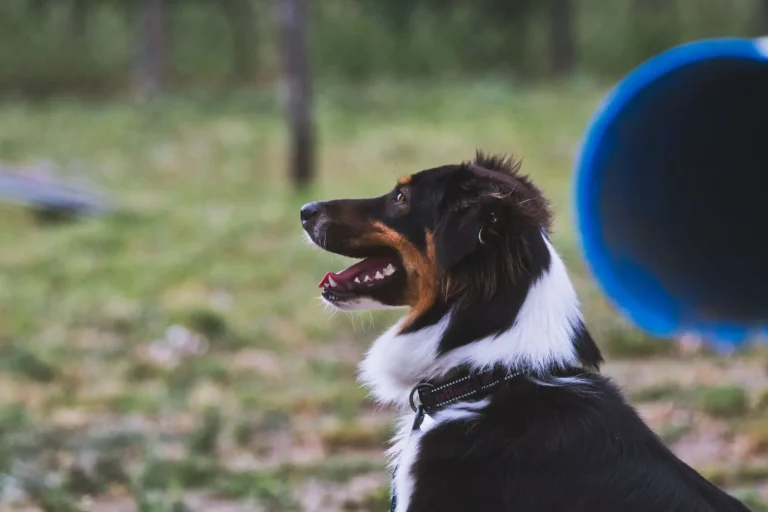


Australian Shepherds come with a reputation for hardiness, but that doesn’t mean health testing is optional. Over the years, I’ve watched breeders and buyers navigate health certificates with varying degrees of understanding, and the gap between having test results and actually knowing what they mean is wider than most people realize. The documents themselves aren’t difficult to read – the challenge is understanding what the numbers and codes represent and whether they should influence your decision about a dog.
The most common health tests for Australian Shepherds involve the hips, eyes, and sometimes elbows. These aren’t arbitrary screenings. They exist because certain conditions appear in the breed with enough frequency that responsible breeders have adopted testing protocols. When you receive results, you’re looking at a snapshot of a dog’s physical status at a specific moment in time, evaluated against established standards. That context matters more than the raw score.
Hip and Elbow Evaluations
The Orthopedic Foundation for Animals, or OFA, handles most hip and elbow certifications in the United States. When you see an OFA number on a pedigree, that dog has been radiographed and evaluated by a panel of veterinary specialists. The hip rating system uses categories: Excellent, Good, Fair, Borderline, Mild, Moderate, or Severe dysplasia. An Excellent or Good rating doesn’t mean the dog is perfect – it means the hip joints show normal structure and positioning relative to breed standards.
Fair ratings indicate some deviation from ideal conformation but typically don’t cause clinical problems. This is where interpretation gets practical. A Fair-rated dog may live a completely normal life without lameness or pain, especially with appropriate exercise management and weight control. I’ve seen Fair-rated dogs work as herding or agility dogs without issue, and I’ve also seen Good-rated dogs develop arthritis from overwork or poor conditioning. The rating itself is only part of the picture.
Borderline and Mild dysplasia ratings suggest structural changes that increase risk for osteoarthritis, particularly as the dog ages or if subjected to high-impact activity. These dogs aren’t automatically unsuitable as pets, but they benefit from careful exercise management and may require joint support supplements or medication later in life. Moderate and Severe ratings indicate significant structural problems that usually warrant against breeding and may affect quality of life even with management.
Elbow evaluations follow a simpler scale: Normal or Dysplastic (with grades 1 through 3 for dysplasia severity). Normal is straightforward. Grade 1 dysplasia is mild and often asymptomatic. Grades 2 and 3 indicate progressive changes that increase lameness risk, particularly in working dogs or those with high activity demands.
Eye Screening and CERF Certification
The Canine Eye Registration Foundation, or CERF, certifies eye health through veterinary ophthalmologist examination. A CERF clearance means an eye specialist found no evidence of hereditary eye disease at the time of examination. The certificate is valid for one year, which surprises some people. Eye conditions can develop, so annual testing is standard practice for breeding dogs.
Australian Shepherds are screened primarily for collie eye anomaly and progressive retinal atrophy. Collie eye anomaly ranges from asymptomatic to vision-threatening depending on severity. Many dogs with mild CEA never experience vision problems. Progressive retinal atrophy, or PRA, is more serious – it’s a degenerative condition that leads to blindness. A clear CERF result is reassuring, but it documents status at a single point in time.
When reviewing eye results, look for the specific conditions noted as absent or present. A CERF number alone doesn’t tell you which conditions were evaluated. Some breeders provide detailed ophthalmology reports that break down findings by condition. That level of detail is useful, particularly if you’re researching a breeding line’s eye health history.
Genetic Testing and DNA Results
DNA testing for Australian Shepherds has expanded significantly. Tests now identify carriers for conditions like collie eye anomaly, progressive retinal atrophy variants, and other recessive traits. Unlike physical evaluations, genetic tests show what a dog carries regardless of whether it’s expressed. A dog can be a carrier for a recessive condition and show no symptoms.
Understanding carrier status matters most for breeding decisions. If both parents are clear, offspring will be clear. If one parent is a carrier and one is clear, all puppies will be either clear or carriers – none will be affected. If both parents are carriers, approximately 25 percent of puppies will be affected. This is basic Mendelian genetics, but it’s often misunderstood or ignored.
As a pet owner, carrier status is less critical than for breeders. A carrier dog with a clear partner won’t produce affected puppies. A dog that’s affected for a recessive condition won’t pass it on if bred to a clear dog. The real concern arises when both parents carry the same recessive mutation or when one parent is affected. Responsible breeders test and plan accordingly.
What Results Don’t Tell You
Health test results are objective measurements, but they have limits. A dog with excellent hip scores can still develop arthritis from injury, obesity, or overwork. A dog with clear eye tests can develop cataracts from other causes. Test results evaluate specific conditions at specific moments. They don’t predict longevity, temperament, or how a dog will respond to life circumstances.
I’ve also noticed that some breeders emphasize test results while overlooking equally important factors like genetic diversity, temperament consistency, and overall health trends within their lines. A single excellent score doesn’t override poor breeding practices. Conversely, a Fair rating doesn’t disqualify a dog if the broader health picture is solid and the dog is managed appropriately.
When you’re evaluating a breeder or considering a dog, ask for complete test results and documentation. Request the actual certificates or reports, not just verbal confirmation. Ask about testing frequency, what conditions are screened for, and how results inform breeding decisions. A breeder who tests regularly, shares results openly, and can explain what the numbers mean is demonstrating a commitment to health that extends beyond having paperwork.
Australian Shepherds generally enjoy good health as a breed, but that’s partly because conscientious breeders have adopted testing protocols and made decisions based on results. Understanding what those results actually mean puts you in a better position to evaluate breeding practices and make informed decisions about the dogs you bring into your life.