
Taking a dog into an Australian national park sounds straightforward until you arrive at the gate and realize the rules vary dramatically depending on which park you’re visiting. After years of watching owners navigate this landscape, I’ve seen the same confusion play out repeatedly: assumptions made, permits overlooked, and sometimes a wasted trip home. The regulations aren’t arbitrary, though they can feel that way when you’re standing at an entrance trying to figure out whether your dog is actually allowed past the barrier.
The fundamental issue is that Australia’s national parks aren’t managed by a single authority. Each state has its own parks service, and within those services, individual parks can set their own conditions. What’s permitted in one park might be completely prohibited in another, even if they’re separated by just a few kilometers. This fragmentation is the root of most owner confusion, and it’s worth understanding before you plan any trip.
State-by-State Variation and What It Means
New South Wales parks generally allow dogs on leads in most areas, though some high-traffic or sensitive zones restrict them entirely. Victoria tends to be more permissive, with many parks allowing dogs off-lead in designated areas. Queensland’s approach varies significantly between coastal and inland parks, and Tasmania has some of the strictest policies in the country. Western Australia and South Australia sit somewhere in the middle, with reasonable access but specific conditions around breeding seasons and protected areas.
The reason for these differences comes down to local ecology and management priorities. Parks protecting nesting seabirds or vulnerable ground-dwelling species are far more likely to restrict dogs, particularly during breeding seasons. I’ve observed that parks with significant wombat populations, for instance, are often more cautious because dogs can disturb burrows and create conflict. It’s not about being difficult; it’s about what the park is trying to protect.
Before visiting any park, checking the specific park’s website or calling ahead isn’t optional – it’s essential. Many owners skip this step and rely on general state-level knowledge, which often leads to disappointment. A park that allowed dogs last year might have changed its policy due to environmental concerns or management changes. I’ve seen families arrive with dogs only to be turned away, and the frustration is entirely preventable.
Leads, Off-Lead Zones, and Practical Reality
When a park permits dogs on leads, that requirement isn’t negotiable, regardless of how well-trained your dog is. Rangers enforce this consistently, and the reason is simple: an off-lead dog in a national park is unpredictable in that environment. Even a friendly, obedient dog might chase native wildlife, and that encounter can be fatal for the animal. I’ve seen dogs that were perfectly behaved at home become fixated on a wallaby or wombat in a way their owners couldn’t have anticipated.
Some parks designate specific off-lead areas, usually in developed sections near carparks or picnic grounds. These zones exist because they’ve been assessed as low-risk for wildlife conflict. Using them appropriately means keeping your dog within sight and calling them back immediately if they show interest in native animals. The owners who succeed at this are those who understand that the off-lead zone isn’t a free-for-all; it’s a managed space with implicit boundaries.
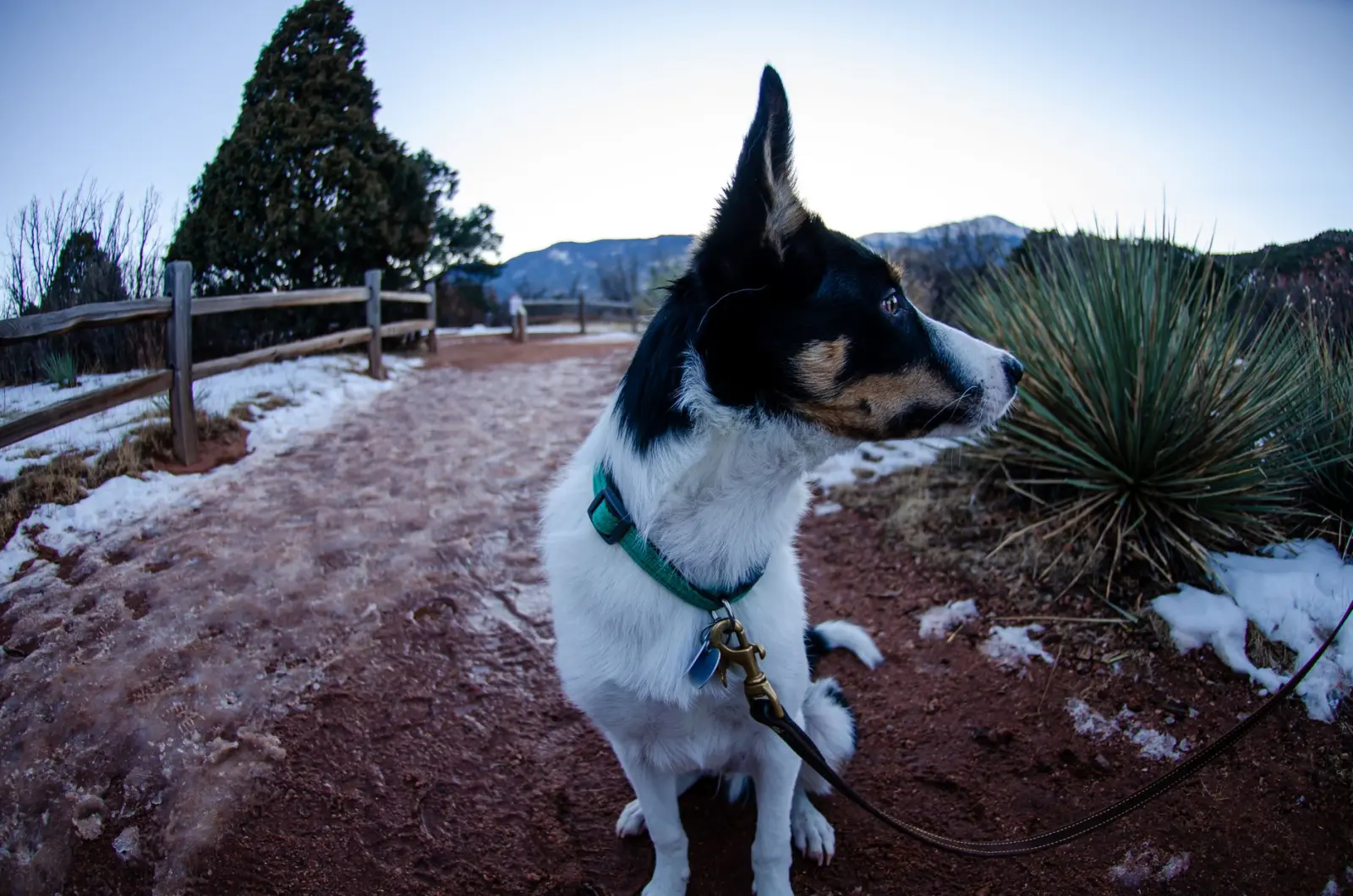
Lead length matters more than most people realize. A six-meter lead gives you control while allowing your dog some freedom to explore. A standard two-meter lead keeps them very close, which is appropriate on narrow trails or in areas with high foot traffic. Retractable leads can be problematic in parks because they’re harder to control quickly if your dog lunges toward wildlife or another dog.
Seasonal Restrictions and Wildlife Protection
Many Australian national parks implement seasonal restrictions on dogs, particularly during spring and early summer when native birds are nesting. These aren’t arbitrary dates – they correspond to actual breeding cycles. A park might allow dogs freely from March through September but restrict them from October to February. The difference between those periods is the presence of vulnerable eggs and chicks on or near the ground.
Wallabies and wombats also have vulnerable periods, though the timing varies by species and location. Some parks close dog access to specific trails during these seasons rather than banning dogs entirely. Understanding why these restrictions exist changes how owners approach them. It’s not about keeping dogs out of nature; it’s about protecting the native animals that live there year-round.
I’ve noticed that owners who understand the reasoning behind seasonal closures are far less likely to feel resentful about them. They’re also more likely to plan trips during periods when their dog can access the park, rather than showing up at the wrong time and being disappointed.
Practical Considerations for Your Dog’s Safety
Australian national parks present specific hazards that suburban parks don’t. Snakes are present in most parks, and while encounters are rare, they do happen. A dog on a lead is less likely to disturb a snake than a dog roaming freely, but it’s still a consideration. Ticks are another reality – paralysis ticks in particular are a serious concern in eastern Australia. After any park visit, checking your dog thoroughly is routine, not optional.
The terrain itself can be challenging. Rocky trails, steep descents, and dense scrub are normal features of national parks. A dog that’s fit for suburban walks might struggle with sustained elevation or rough ground. Heat is another factor – many Australian parks have minimal shade, and dogs can overheat quickly, especially on leads where they can’t find their own shelter.
Water availability varies dramatically between parks. Some have reliable water sources along trails; others have none. Carrying water for your dog is standard practice, though many owners underestimate how much they’ll need. A dog working harder than usual in warmer conditions drinks significantly more.
What Happens When Rules Aren’t Followed
Rangers do patrol national parks, and they do enforce dog restrictions. The consequences range from warnings to fines, depending on the severity and the ranger’s assessment. An off-lead dog in a no-dogs area will attract attention. A dog harassing wildlife will result in a fine. These aren’t empty threats – I’ve known owners who’ve been fined and had to leave the park.
Beyond official consequences, there’s the practical reality: if your dog causes problems, it affects future access for other dog owners. Parks that experience repeated issues with dogs are more likely to implement stricter policies or ban dogs entirely. One owner’s poor judgment can narrow options for everyone else.
The relationship between park management and dog owners works best when both sides understand each other’s constraints. Parks need to protect native wildlife and manage visitor safety. Owners need reasonable access for recreation. That balance is maintained when rules are followed consistently, not when owners decide which rules apply to them.
Visiting Australian national parks with a dog is entirely feasible when you approach it with realistic expectations and do basic research beforehand. The parks that allow dogs have thought through the conditions under which that access works. Following those conditions isn’t restrictive – it’s what keeps the option available for everyone.