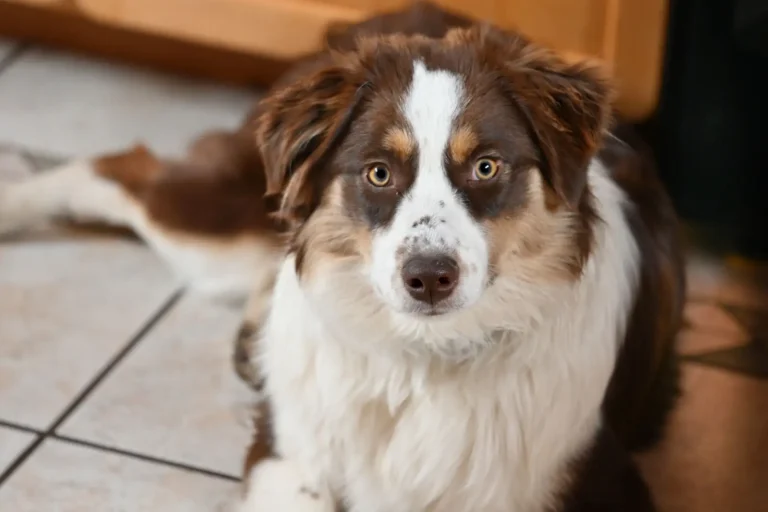

Australian Shepherds, despite their name, are high-energy working dogs that thrive in active households. Over the years of working with this breed, I’ve noticed they’re generally resilient animals, but their vaccination needs follow the same fundamental principles as any other dog. The difference lies in understanding what matters most for their lifestyle and environment, not in treating them as a special case.
When a puppy arrives, most people focus on the immediate vaccination series. What often gets overlooked is that vaccination isn’t a one-time event – it’s a framework that evolves as the dog ages. An eight-week-old Australian Shepherd puppy needs a different approach than a two-year-old or a senior dog. The timing matters, the intervals matter, and knowing which vaccines your individual dog actually needs matters more than following a generic schedule.
I’ve seen owners arrive at the vet clinic with a list of vaccines they think their dog needs, only to find that half of them may not be necessary for their specific situation. Geography, lifestyle, and exposure risk all factor into what makes sense. A working Australian Shepherd on a ranch in rural Colorado faces different disease pressures than one living in an urban apartment. Both need core protection, but the non-core vaccines tell a different story.
The Core Vaccine Foundation
Core vaccines are the ones that protect against diseases severe enough to warrant universal protection. For Australian Shepherds, these are rabies, distemper (DHPP), and parvovirus. These three cover the major viral threats that can cause serious illness or death. Rabies is legally mandated in most jurisdictions anyway, so that decision is often made for you. Distemper and parvovirus protection, however, is something I’ve seen owners sometimes question – usually because they’ve never encountered either disease and assume the risk is minimal.
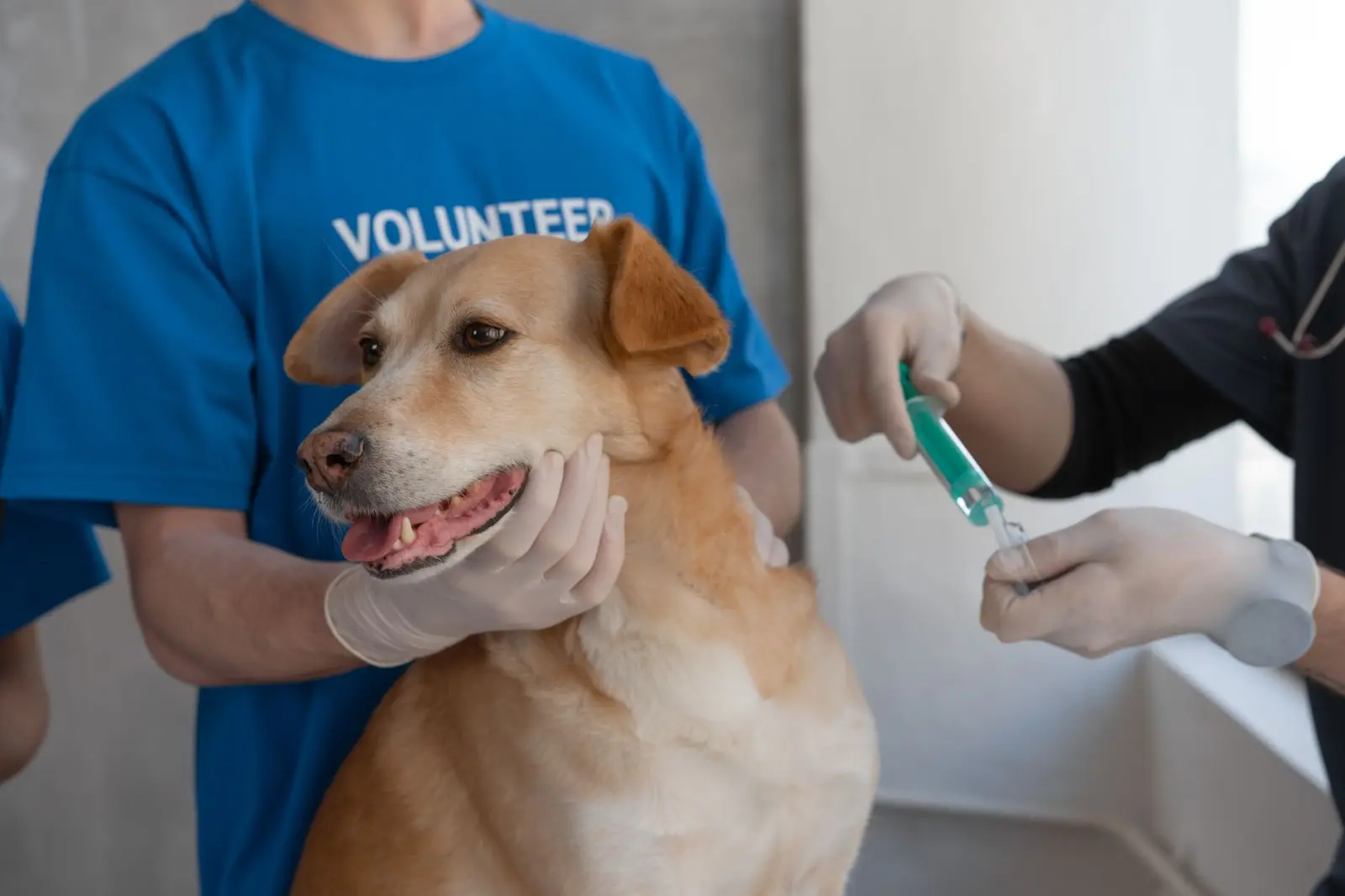
The initial puppy series typically involves three shots given at three-to-four-week intervals, starting around six to eight weeks of age. Each shot contains the same vaccines, and the spacing allows the immune system to build a stronger response with each exposure. After that initial series, a booster at one year solidifies immunity. From there, many veterinarians recommend every three years for adult dogs, though some practices still follow annual protocols. The science supports the three-year interval for most dogs, but individual circumstances and local regulations can shift this recommendation.
I’ve worked with owners who felt pressured into annual boosters for core vaccines when their dog’s lifestyle didn’t warrant it. At the same time, I’ve seen dogs whose exposure risk was higher and who genuinely benefited from more frequent protection. The key is having a conversation with your veterinarian about your specific dog’s risk profile, not just accepting a standard schedule as gospel.
Non-Core Vaccines and Lifestyle Factors
Non-core vaccines protect against diseases that are either geographically limited, lifestyle-dependent, or less severe than the core threats. Leptospirosis, Bordetella (kennel cough), Lyme disease, and canine influenza fall into this category. An Australian Shepherd that spends most of its time indoors in a suburban home has a different risk profile than one that works on a farm, competes in agility trials, or frequents dog parks regularly.
Leptospirosis is a good example of how geography and lifestyle intersect. This bacterial disease is transmitted through contaminated water and wildlife urine. If your Australian Shepherd has access to ponds, streams, or areas where wildlife congregates, the risk is real. If your dog lives in a dry climate and stays mostly on maintained property, the risk drops significantly. I’ve recommended this vaccine to some owners and advised against it for others, based entirely on their living situation and the dog’s exposure patterns.
Bordetella and canine influenza protection become relevant for dogs that are boarded, attend training classes, visit dog parks, or compete in events. If your Australian Shepherd is a social animal with regular contact with other dogs outside your household, these vaccines make practical sense. If your dog rarely interacts with unfamiliar dogs, they’re less critical. The decision shouldn’t be based on fear or marketing – it should be based on actual exposure likelihood.
Lyme disease vaccination is another one I see owners wrestle with. It’s geographically specific and depends on tick exposure in your area. In regions where Lyme-carrying ticks are common and your dog spends time in wooded or brushy areas, vaccination can be worth considering. In areas where the disease is rare, it’s probably unnecessary. Some veterinarians recommend it universally; others only when risk is demonstrated. This is where your vet’s local knowledge matters.
The Puppy Series and Early Immunity
The first vaccination your Australian Shepherd puppy receives is often at six to eight weeks of age, though some breeders start earlier. This initial shot is important but not the final word on immunity. Puppies still have maternal antibodies circulating in their bloodstream at this age, which can interfere with the vaccine’s effectiveness. That’s why the series continues with boosters every three to four weeks until around sixteen weeks of age.
I’ve seen owners get frustrated with the multiple visits required for the puppy series, but there’s solid reasoning behind it. The maternal antibodies gradually decline, and the booster schedule is timed to catch the window when those antibodies are low enough to allow the vaccine to work, but before the puppy is left unprotected. Skipping boosters or spacing them too far apart defeats the purpose and leaves gaps in protection.
The final booster at around sixteen weeks is crucial. After that, the one-year booster completes the initial protocol. Some veterinarians recommend an additional booster at six months for puppies in high-risk environments, but this isn’t universal practice. The timing and number of shots in the puppy series can vary slightly between clinics, so clarifying the exact schedule with your vet early on prevents confusion later.
Adult Maintenance and Booster Intervals
Once your Australian Shepherd reaches adulthood, the vaccination rhythm changes. The one-year booster after the puppy series is standard. After that, the interval depends on which vaccines and which protocol your veterinarian follows. The three-year interval for core vaccines is now supported by most major veterinary organizations, though some practices still recommend annual boosters out of habit or to encourage annual wellness visits.
I’ve noticed that dogs vaccinated on a three-year schedule don’t show higher disease rates than those boosted annually. The immune system’s memory is longer than we once thought. That said, if your dog has a compromised immune system, lives in a high-risk environment, or is frequently exposed to unvaccinated animals, more frequent boosters might make sense. This is where individual assessment matters.
Titer testing – a blood test that measures the level of antibodies against specific diseases – is an option for owners who want to know whether their dog actually needs a booster. If titers are adequate, the booster can be delayed. This approach appeals to owners concerned about over-vaccination, though it does add cost. For most healthy Australian Shepherds on a standard schedule, titer testing isn’t necessary, but it’s a tool worth knowing about if you have specific concerns.
Senior Dogs and Changing Needs
As Australian Shepherds age, their vaccination needs don’t disappear, but the approach sometimes shifts. A senior dog with a stable vaccination history and no health issues can often continue on the same schedule as an adult. However, a senior dog with chronic health conditions, compromised immunity, or other complications might need modifications.
I’ve worked with owners of older dogs who were concerned about the risks of vaccination in aging animals. The reality is that the risk of infectious disease often outweighs the risk of vaccination, especially for core vaccines. That said, a veterinarian might recommend spacing out vaccines differently or avoiding certain non-core vaccines if the dog’s health status warrants it. The decision should be made in consultation with your vet, not based on general anxiety about vaccines in older dogs.
Some senior Australian Shepherds benefit from continuing booster protection; others might have their frequency adjusted based on their individual health profile. There’s no one-size-fits-all approach at this life stage.
Vaccination for Australian Shepherds isn’t complicated, but it does require paying attention to your individual dog’s circumstances rather than defaulting to a standard schedule. The core vaccines protect against serious threats and are non-negotiable. The non-core vaccines deserve consideration based on your dog’s actual exposure risk. Timing matters, but so does understanding why the timing is what it is. Over the years, I’ve found that owners who take time to understand their dog’s specific needs, rather than just following a checklist, make better decisions about their dog’s health.