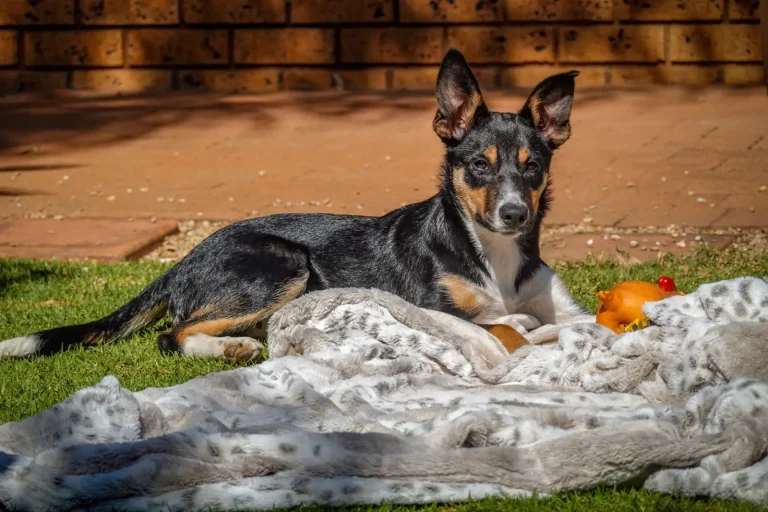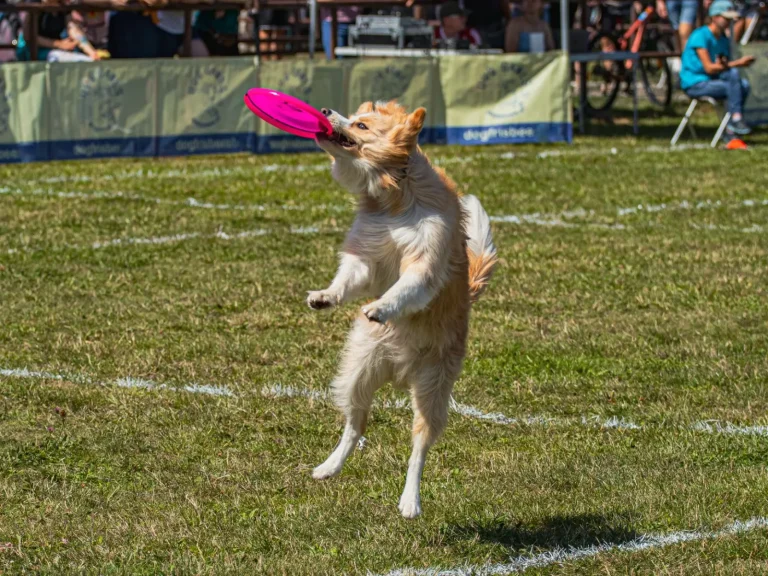


Australian Shepherds have a reputation for being velcro dogs, and that reputation is earned. I’ve worked with enough Aussie puppies to know that their tendency to follow you from room to room isn’t just a cute quirk – it’s hardwired into their temperament. These dogs were bred to work livestock all day, staying attuned to a handler’s movements and responding to subtle cues. That same focus and responsiveness that makes them excellent working dogs also means they bond intensely with their people, and they struggle when that connection is severed.
The challenge with Aussie puppies isn’t that they’re uniquely fragile or broken. It’s that their natural inclination toward togetherness, combined with a young dog’s genuine inability to self-soothe, creates a perfect storm for separation distress. Most people don’t realize that what looks like “separation anxiety” in a puppy is often just the normal panic response of an immature nervous system meeting a breed that was never meant to spend eight hours alone in a crate. The problem develops gradually, sometimes invisibly, until you come home to a crate covered in urine or a puppy who’s destroyed the door frame.
The Early Window Matters More Than People Think
The first few weeks a puppy spends in your home set the tone for how they’ll handle solitude for years to come. I’ve noticed that puppies who are constantly shadowed – never left alone, always in someone’s lap or at their feet – develop a fragile independence. They don’t learn that being alone is survivable because they’ve never had to practice it. By contrast, puppies who experience brief, manageable periods of separation early on seem to build a kind of emotional resilience. They learn that you leave and you come back. That’s not a guarantee against later problems, but it’s a foundation.
The key is that these early separations need to be short and frequent, not long and infrequent. A puppy left alone for two hours once a week learns nothing except panic. A puppy separated for five minutes, ten times a day, learns that solitude is temporary and predictable. I’ve found that the most successful Aussie owners treat separation practice like any other skill – something you build gradually, with repetition, in low-stakes situations. Leaving the room while the puppy is occupied with a toy, stepping outside for thirty seconds, closing a door between you and the puppy for a few minutes – these small, repeated experiences matter far more than people expect.
Crate Training Is About Security, Not Confinement
A properly introduced crate becomes a puppy’s refuge, not a prison. I’ve seen owners make the mistake of using the crate as punishment or as a way to contain an untrained puppy for hours at a time. That teaches the opposite of what you want. An Aussie puppy who associates the crate with confinement and abandonment will fight it. An Aussie puppy who has learned that the crate is a safe, comfortable place where good things happen will actually seek it out when stressed.
The process takes time. You’re not trying to get the puppy comfortable with the crate quickly; you’re building positive associations slowly and deliberately. Tossing treats in, leaving the door open, feeding meals inside, napping nearby with the door closed – these are the unglamorous building blocks. I’ve noticed that owners who rush this step, pushing the puppy into longer crate durations before the foundation is solid, end up with dogs who panic in the crate. Then they abandon crate training altogether, which removes one of the most useful tools for preventing separation distress.
Routine Creates Predictability
Australian Shepherds thrive on structure. They’re working dogs accustomed to patterns and expectations. A puppy who knows that after breakfast comes a play session, then a nap, then a separation period, then a reunion, experiences far less anxiety than a puppy whose day is chaotic. The routine itself isn’t magic, but it does something important: it removes uncertainty. The puppy knows what’s coming.
I’ve observed that the most stable Aussie puppies are those whose owners establish a consistent schedule for feeding, play, training, naps, and alone time. It doesn’t have to be rigid to the minute, but the general flow should be predictable. A puppy who naps after exercise is also a puppy who’s less likely to panic when left alone during that natural sleep window. A puppy who knows that a certain time of day means separation is more likely to accept it calmly than one who’s surprised by it.
Exercise and Mental Stimulation Reduce Distress
A tired puppy is a calmer puppy, and an understimulated Aussie is a disaster waiting to happen. These dogs need both physical activity and mental engagement. I’ve seen puppies whose destructive behavior during separation looked like anxiety but was actually just boredom and excess energy. Once their owners increased exercise and added puzzle toys or training sessions, the separation distress diminished significantly.
The stimulation needs to happen before the separation, not as a reward for surviving it. A puppy who has had a solid play session, some training work, and a chance to problem-solve through a puzzle toy is neurologically in a different state than one who’s been confined to a playpen all morning. The exercise depletes their arousal system. The mental work engages their brain in a way that satisfies their need for purpose. Then, when separation happens, the puppy is genuinely ready to rest.
That said, I’ve also seen owners make the mistake of over-exercising puppies, especially young ones whose joints and growth plates are still developing. With Aussies, the goal isn’t exhaustion; it’s appropriate engagement. A few fifteen-minute sessions of play or training spread throughout the day works better than one long, intense exercise bout.
What You Do When You Leave Matters
The departure ritual sets the emotional tone. I’ve noticed that owners who make a big production of leaving – lots of reassurance, extended goodbyes, visible anxiety of their own – often have puppies who escalate their distress. The puppy picks up on the owner’s tension and interprets it as confirmation that separation is genuinely dangerous. By contrast, owners who leave matter-of-factly, without fanfare or excessive attention, tend to have calmer puppies.
This doesn’t mean ignoring the puppy or being cold. It means treating departure as a normal, unremarkable event. You leave. The puppy stays. You come back. No drama. I’ve found that practicing departures when the puppy is already calm – not amped up or seeking attention – makes a difference. Leaving while the puppy is engaged with a toy or chew is far less likely to trigger panic than leaving while the puppy is actively seeking interaction.
What happens during your absence also shapes how the puppy learns to cope. A puppy who has access to water, a comfortable space, and something to occupy their mind is in a better position to settle than one who’s left in an empty crate with nothing. For young puppies, the duration of absence matters enormously. A three-month-old puppy simply cannot hold their bladder for eight hours, so expecting them to remain calm in a crate for that long is unrealistic. As the puppy matures, durations can extend, but the foundation of comfort and routine has to be built first.
The reality is that preventing separation distress in an Australian Shepherd puppy requires patience and consistency, not a clever trick or a specific product. It requires understanding that these dogs are bred for connection and then building their confidence in solitude gradually, with structure, appropriate exercise, and realistic expectations about their developmental stage. The puppies who develop serious separation anxiety are usually those who either had no early practice with separation or who experienced sudden, prolonged absences before they were ready. The ones who navigate it well are those whose owners treated independence as a skill to be developed, not something that should come naturally.