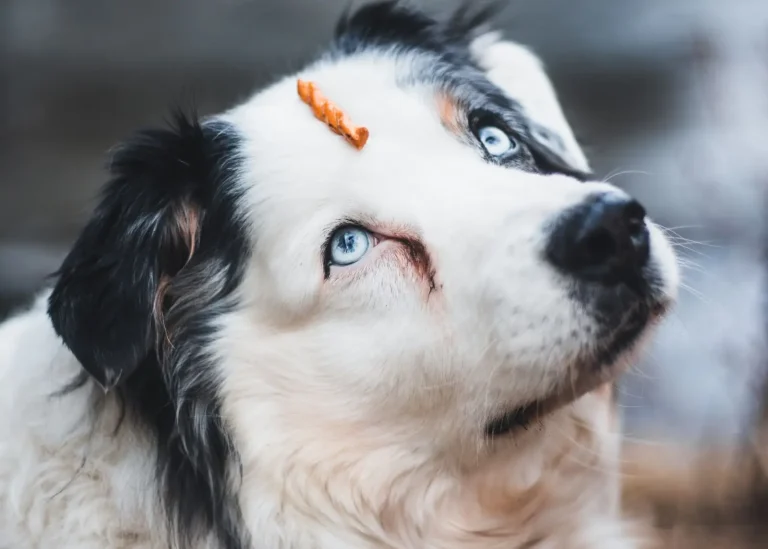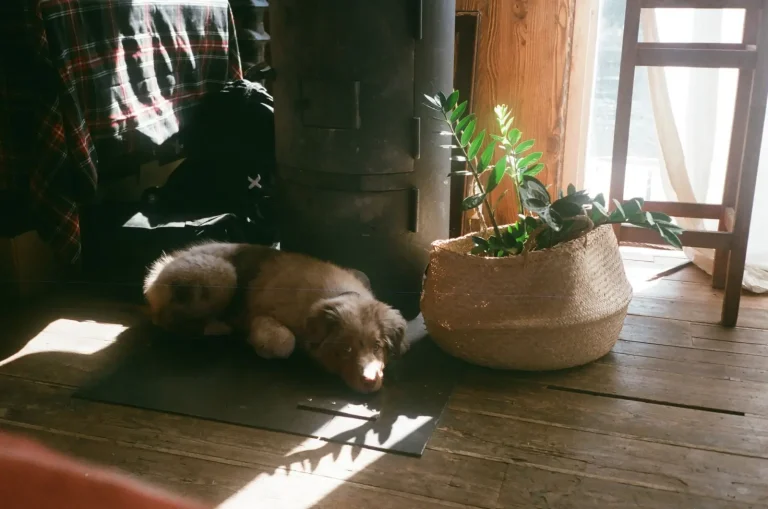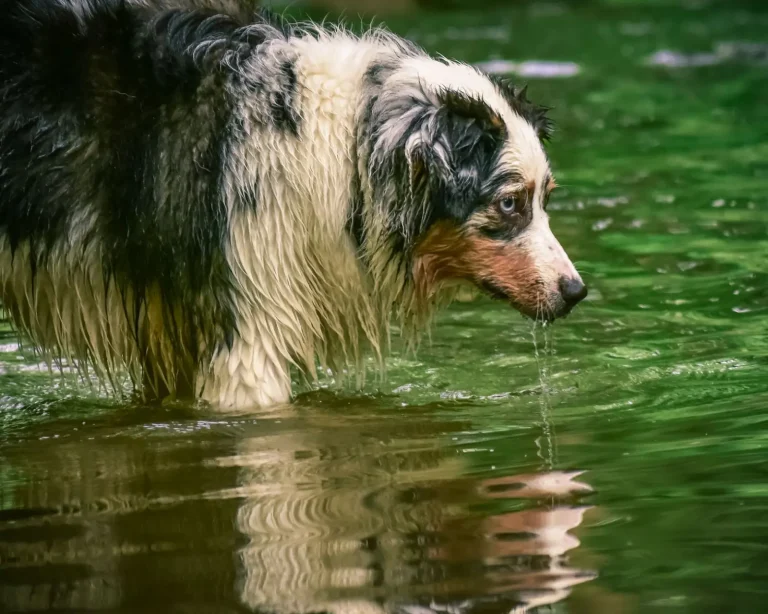

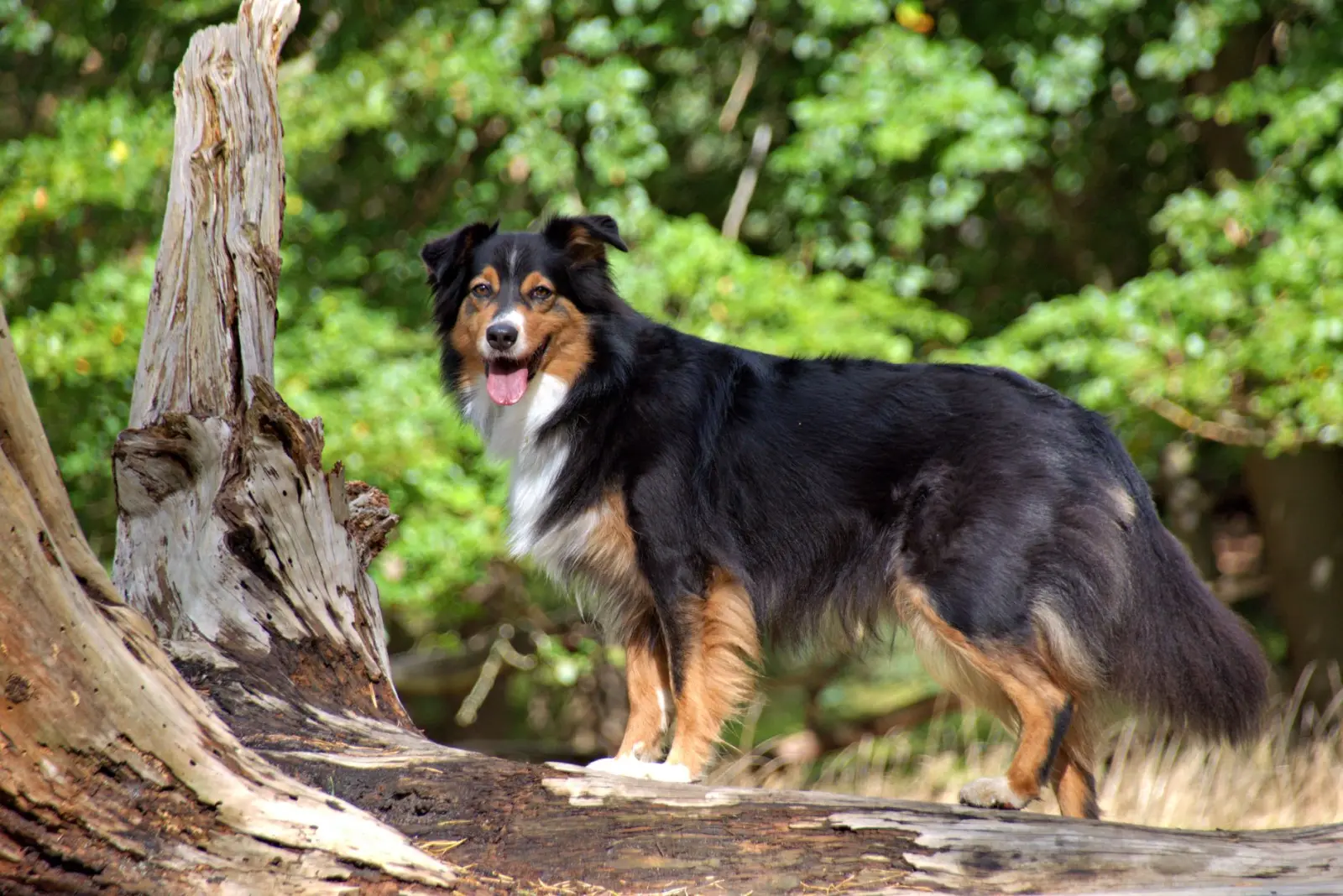
Australian Shepherds in Australia face a particular set of challenges that many owners don’t anticipate until they’re already managing the problem. The breed’s thick double coat, which evolved for cooler mountain conditions in the American Southwest, becomes a genuine liability under the Australian sun. I’ve worked with dozens of these dogs across different Australian regions, and the pattern is consistent: owners often underestimate how quickly these dogs can overheat and how much damage UV exposure can do to their skin and eyes.
The irony isn’t lost on anyone who’s spent time with the breed here. Despite the name, Australian Shepherds have no evolutionary adaptation to Australian heat. Their coat was built for protection against cold and moderate sun, not for the intensity of Australian UV or the sustained high temperatures that come with summer in most populated areas. This matters practically because it shapes every decision you make about their daily routine, exercise timing, and outdoor exposure.
What I’ve noticed most often is that the real damage happens not during obvious heat waves, but during the shoulder seasons and mild days when owners let their guard down. A dog can get a serious sunburn or heat stress on a 28-degree day with high humidity and strong UV, especially if they’re out for what feels like a short walk. The Australian sun’s intensity at southern latitudes is deceptive – it doesn’t feel as hot as equivalent temperatures in other climates, but the UV index is often extreme.
Heat Stress and the Double Coat Problem
The double coat is the central issue. Australian Shepherds shed heavily, and the temptation to shave them down in summer is real. I understand the logic, but it’s worth understanding what actually happens when you remove that coat. The outer guard hairs do provide some UV protection, and the undercoat does create an insulating layer – which, counterintuitively, can help regulate temperature if the dog has access to shade and water. Remove it entirely, and you’re left with exposed skin that burns easily and a dog that may actually feel hotter because they’ve lost that protective barrier.
What works better in practice is strategic grooming. A thorough brush-out to remove loose undercoat reduces the insulating effect without removing the protective guard hairs. This is different from a full shave. The dog sheds less, which means less matting and easier maintenance, but they retain some UV protection. I’ve seen the difference between dogs that get this kind of grooming every few weeks versus those that don’t – the groomed dogs are noticeably more comfortable, and their skin stays healthier.
Heat stress itself develops faster in Australian Shepherds than in shorter-coated breeds, partly because of that coat and partly because these are working dogs with a drive to keep moving even when they should be resting. I’ve watched dogs push themselves on a walk because they’re bred to work, not because they’re actually fine. The early signs – excessive panting, drooling, seeming disoriented – can escalate quickly. By the time a dog is staggering or vomiting, you’re in an emergency situation. The practical reality is that you need to enforce rest before the dog decides it’s necessary.
Exercise Timing and Route Selection
This is where experience really matters. The standard advice to exercise early morning or late evening is correct, but the specifics depend on where you are in Australia and what time of year it is. In summer across most of the country, early morning means before 8 a.m., and late evening means after 7 p.m. at the earliest. Even then, the ground temperature matters as much as air temperature. Asphalt and concrete retain heat intensely, and a dog’s paws can burn or blister on hot pavement even if the air temperature seems manageable.
I’ve found that the best routes are those with tree cover and access to water. A shaded walk along a creek or through a park with mature trees is genuinely different from an open suburban street, even if they’re the same distance. The dog’s core temperature stays lower, they’re less likely to push themselves, and there’s natural water access for drinking. This isn’t just comfort – it’s a practical safety measure that reduces the risk of heat stress significantly.
Off-leash exercise in heat is risky. A dog on a lead can be controlled and stopped if needed. A dog running freely, especially one with the Australian Shepherd’s work ethic, will keep going until they’re in trouble. I’ve seen dogs collapse during what owners thought was a casual play session because the dog didn’t stop when they should have. The breed’s drive to work overrides their natural heat-avoidance instinct.
Sun Protection and Skin Health
UV exposure causes real damage to dog skin, and Australian Shepherds with lighter-colored coats are particularly vulnerable. Areas with thinner hair coverage – the nose, ears, belly, and inner thighs – burn easily. Sunburn isn’t just uncomfortable; repeated exposure increases the risk of skin cancer, particularly squamous cell carcinoma in dogs. This is something I’ve seen develop over years of cumulative exposure, not from single incidents.
Dog sunscreen works, but it needs to be applied regularly and reapplied after swimming or heavy sweating. The challenge is that most dogs don’t cooperate well with sunscreen application, and owners often skip it because of the hassle. A more practical approach for Australian conditions is managing exposure rather than relying on sunscreen. Limiting time in direct sun, using shade, and choosing cooler parts of the day is more reliable than trying to maintain sunscreen coverage on a moving dog.
Protective clothing – lightweight, light-colored shirts or rash guards – can work for dogs that tolerate them. Some Australian Shepherds will wear them without complaint; others resist intensely. If your dog accepts clothing, it’s an effective way to reduce UV exposure without the mess of sunscreen. The key is that the fabric needs to be breathable and light-colored to reflect heat rather than absorb it.
Water Access and Hydration
Constant access to fresh water is non-negotiable, but it’s worth noting that dogs don’t always drink enough in heat. Some Australian Shepherds, particularly those with high drive, will dehydrate themselves by ignoring water to keep working or playing. I’ve noticed that offering water frequently, even if the dog doesn’t seem thirsty, is more effective than assuming they’ll drink when they need to. Electrolyte water or broths can encourage drinking in dogs that are reluctant.
Swimming is excellent for temperature regulation, but saltwater beaches require caution. Salt exposure can irritate skin and ears, and the combination of sun and salt is harder on the coat and skin than fresh water alone. If you’re swimming in the ocean, a freshwater rinse afterward is worth doing. Freshwater swimming – lakes, rivers, pools – is gentler and still provides the cooling benefit.
Recognizing When Conditions Are Too Extreme
There are days when Australian Shepherds simply shouldn’t be outside for extended periods, regardless of timing. High humidity combined with heat makes it harder for dogs to cool through panting. High UV index days, which Australia has frequently, increase burn risk even at moderate temperatures. During heat waves, the best decision is often to keep the dog indoors in air conditioning, even if it feels like they’re missing out on activity. A day of enforced rest inside is far better than an emergency vet visit.
Older dogs and puppies are more vulnerable than healthy adults. Dogs with existing health issues, particularly heart or respiratory problems, are at higher risk during heat stress. Dark-colored Australian Shepherds absorb more heat than red or blue merle coats. These factors matter when you’re deciding whether conditions are safe for your individual dog.
Over the years, I’ve learned that the owners who manage sun safety best aren’t the ones following a checklist. They’re the ones who understand their specific dog’s tolerance, know their local conditions well, and adjust their routine based on what they observe rather than what a calendar says. It’s not complicated, but it does require attention and willingness to change plans when conditions demand it.