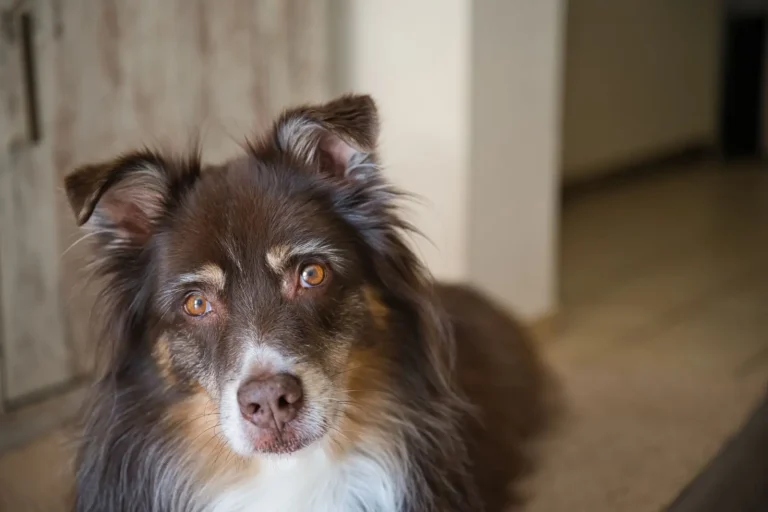

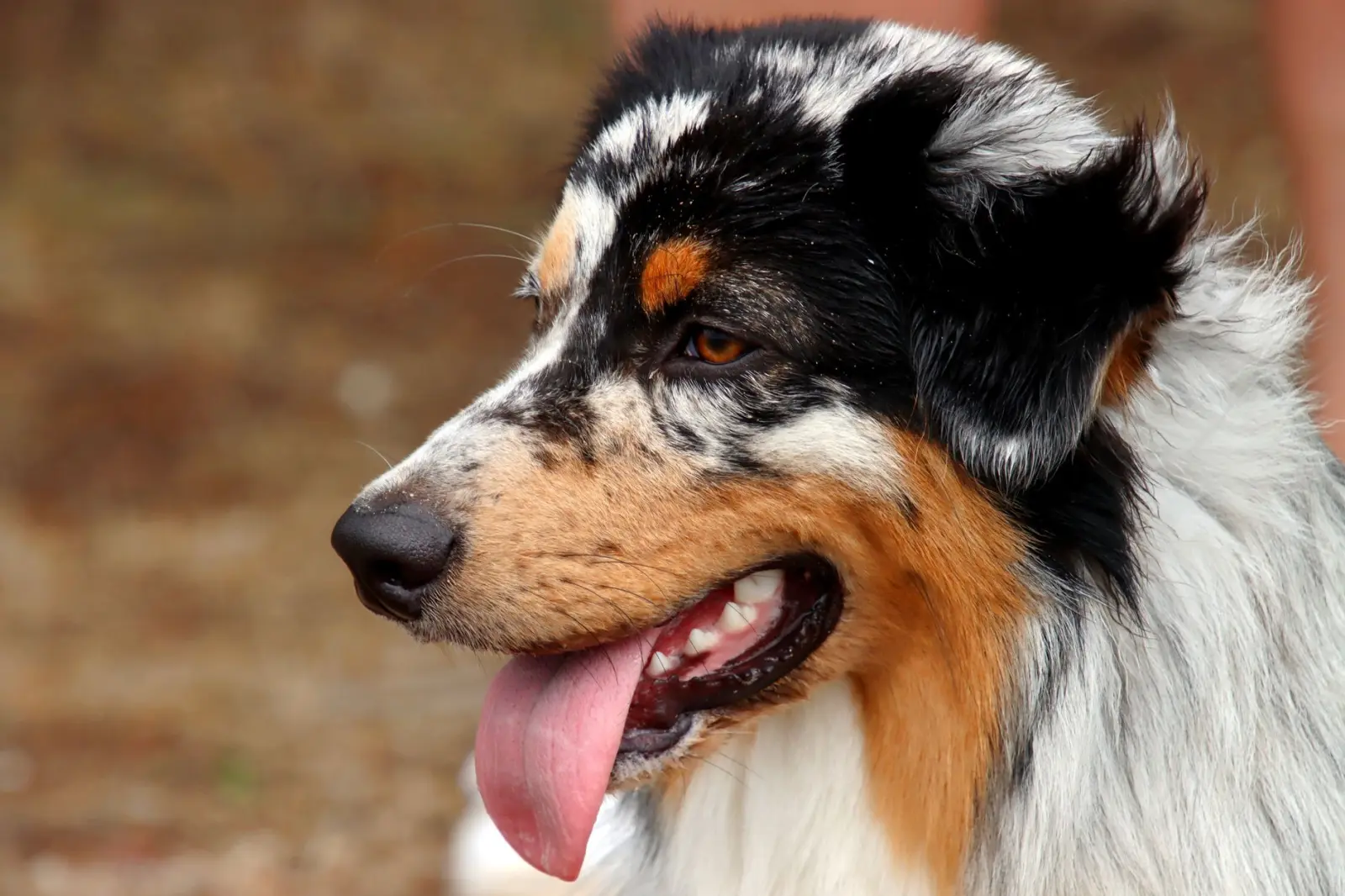
The split between working and show lines in Australian Shepherds isn’t theoretical. It’s something you notice immediately when you spend time with dogs from each background. Over years of working with both types, I’ve seen how these lines develop distinct characteristics – not just in appearance, but in how they move through the world, what they want to do, and what they’re built to sustain.
The divergence starts with what breeders select for. Working-line breeders prioritize function: a dog that can work livestock for hours, read stock pressure, respond to subtle commands, and maintain focus under variable conditions. Show-line breeders work within breed standards that emphasize aesthetics alongside temperament, which naturally shapes breeding decisions in a different direction. Neither approach is wrong, but they produce noticeably different dogs.
I’ve handled working Aussies that seemed almost restless in a confined space – not anxious, just perpetually oriented toward a task. Their eyes track movement constantly. Their bodies are typically leaner, with longer legs relative to body length, built for covering ground efficiently. Show-line dogs, by contrast, often have a more composed presence indoors. They’re still intelligent and responsive, but there’s less of that constant scanning for something to do.
Physical Build and Movement Patterns
The structural differences are real and measurable. Working-line Australian Shepherds tend toward a more moderate frame. They’re not exaggerated in any direction. The chest is deep but not overly broad. Angulation – the angles formed by the shoulder and hip joints – is typically more moderate, which supports efficient movement over distance rather than the extended reach you sometimes see in show dogs.
Show lines often display more pronounced angulation and sometimes a more substantial overall frame. This creates the impression of presence in the ring, but it can also mean higher joint stress over a working lifetime. I’ve seen show-line dogs that move beautifully at a trot but struggle with the repetitive impact of actual herding work. Their structure is optimized for the gait judges evaluate, not necessarily for the demands of working stock.
Coat type varies too. Working dogs typically have a functional double coat – dense enough for weather protection but not so heavy that it becomes a liability in heat or when wet. Show lines sometimes trend toward heavier, more luxurious coats. I’ve worked with show-line Aussies whose coats matted easily in working conditions or retained moisture in ways that created practical problems on a farm.
Temperament and Drive Intensity
This is where the differences become most apparent in daily life. Working-line Australian Shepherds have a different baseline energy and focus. They’re not hyperactive in the clinical sense, but they operate with a kind of persistent intensity. They want to work. Not all of them are equally driven – there’s variation within lines – but the tendency is pronounced. A working-line Aussie that doesn’t have an outlet often finds one, sometimes destructively.
Show-line dogs are still intelligent and active, but many have a lower threshold for satisfaction. They can settle more readily. They’re often more comfortable as house dogs without constant structured activity. This isn’t a flaw; it’s simply a different temperament profile that emerged through different selection pressures. A show-line Aussie can absolutely work stock or do advanced obedience, but the drive isn’t always there at the same level.
I’ve also noticed differences in how they respond to training. Working-line dogs often have a sharper, more immediate response to pressure. They understand quickly what’s being asked and comply. Show-line dogs sometimes seem more deliberate, less reactive to subtle cues. This could be interpreted as stubbornness, but it’s often just a different processing style. They may need clearer communication or more explicit reinforcement.
Practical Suitability and Common Mismatches
The biggest problems I’ve seen come from mismatches between dog and owner expectations. Someone buys a working-line Aussie because they like the breed, not because they have work for it to do. The dog then becomes frustrated and destructive. Conversely, someone wanting a serious working partner gets a show-line dog and finds it lacks the drive or focus they need.
Working-line dogs suit people who can provide genuine outlets: herding work, competitive sports like agility or trialing, or consistent structured activity. They thrive on having a job. A working Aussie that gets only walks and basic obedience is underutilized. Show-line dogs are more flexible. They do well in families that want an intelligent, trainable companion without the demand for constant high-level engagement.
There are also health considerations worth noting. Working lines tend to have fewer exaggerated features, which sometimes correlates with fewer structural problems. Show lines, depending on breeding philosophy, may carry increased risk for hip dysplasia or other issues related to heavier frames or extreme angulation. This isn’t universal – responsible show breeders health-test rigorously – but it’s a pattern I’ve observed.
Finding What You Actually Need
When someone asks me which line is better, I have to ask what they’re actually doing. There’s no universal answer. A working-line Aussie in an apartment with a busy owner who works full-time will likely be unhappy. A show-line dog used for serious stock work might lack the intensity needed for consistent performance.
The best approach is honesty about your situation and your intentions. If you want a dog that can genuinely work, seek out working-line breeders who test for working ability and breed accordingly. If you want a smart, trainable family dog that doesn’t require constant high-level engagement, show lines often fit better. And if you’re somewhere in between – wanting a dog that can do some work but also be a normal house pet – look for breeders who bridge both worlds, which some do.
The lines have drifted apart over decades, and that’s reflected in everything from how they look to how they think. Understanding which direction a breeder has gone tells you a lot about what you’re getting. It’s not about quality; both working and show-line breeders can be excellent. It’s about fit, and fit matters more than pedigree.