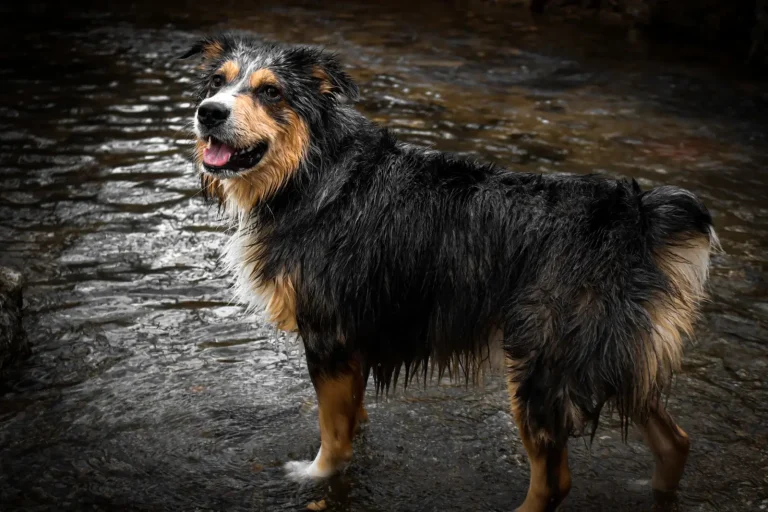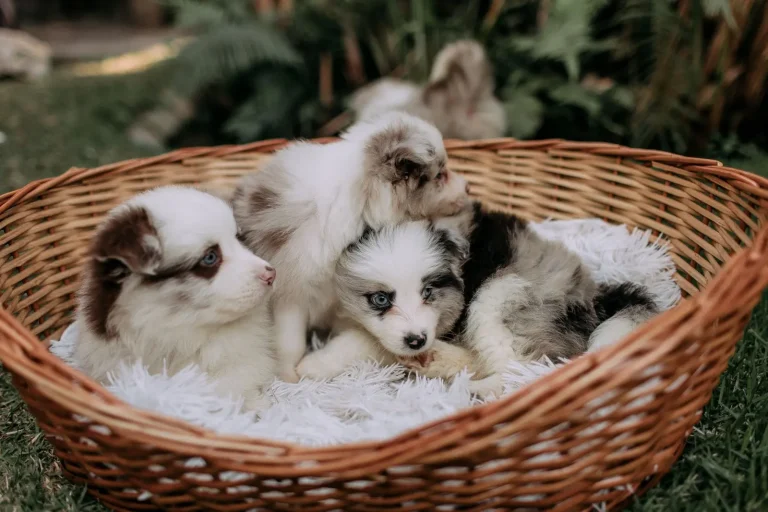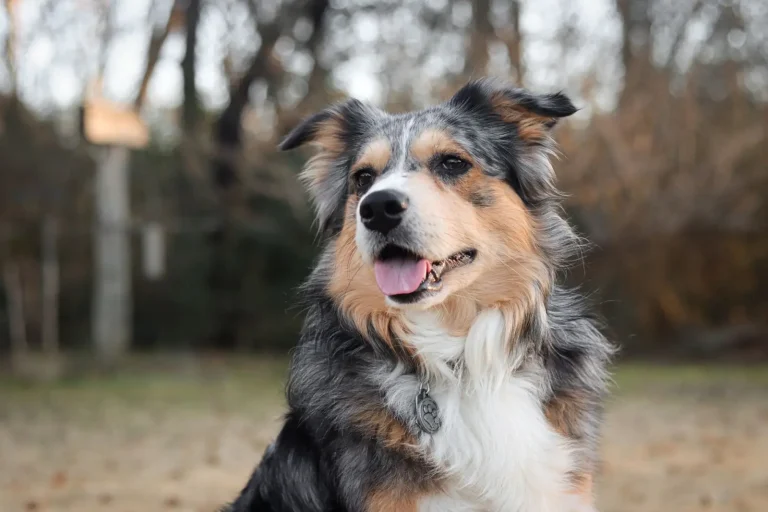

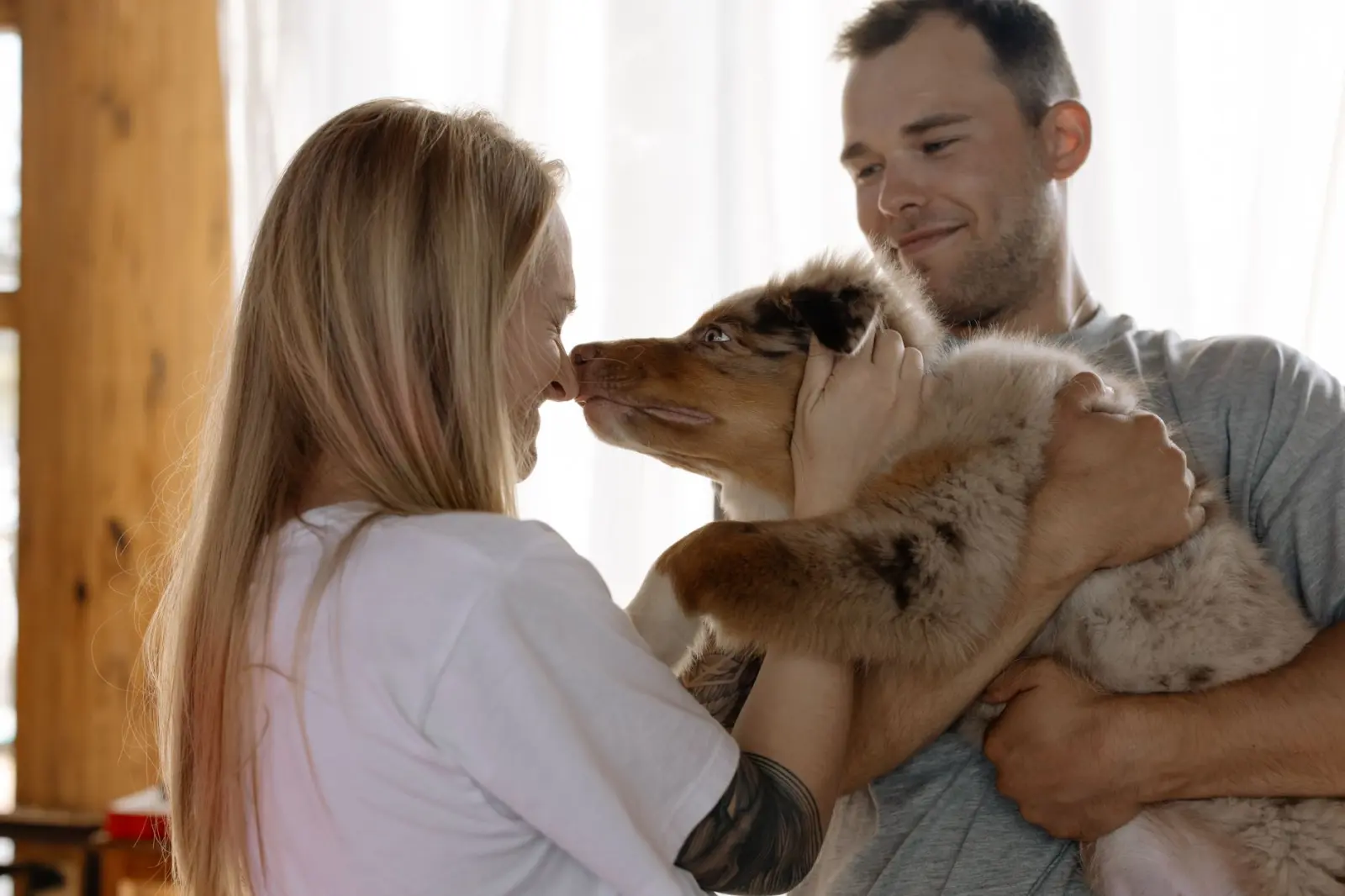
Australian Shepherds indoors present a particular challenge that many owners underestimate. These are working dogs bred to move stock across open country for hours, and that drive doesn’t disappear when you close the door. I’ve worked with dozens of Aussie owners who initially thought a backyard would solve the problem, only to find that a dog with unmet mental needs will find ways to occupy itself – usually in ways the household doesn’t appreciate.
The real issue isn’t exercise in the traditional sense. A long walk or a run doesn’t necessarily tire an Australian Shepherd the way it might tire a retriever or a spaniel. What actually wears them down is problem-solving, decision-making, and the kind of focused work that engages their brain. Without that, they become restless, and restlessness in a working breed often manifests as destructive behavior, obsessive patterns, or what looks like hyperactivity but is actually boredom.
Scent Work and Nose Games
I’ve found that scent work is one of the most effective indoor activities for Australian Shepherds, partly because it’s something they can do in a small space and partly because it genuinely exhausts them mentally. The basic setup is simple: hide treats or a toy around a room and let them search. What makes this work is that it taps into their natural problem-solving instinct without requiring you to be actively involved the entire time.
The progression matters. Start with obvious hides – a treat under a cushion, a toy in plain sight – so they understand the game quickly. Once they grasp the concept, you can make it harder. Hide treats in cardboard boxes, under blankets, inside paper bags. The dog has to use their nose to locate the reward, and the searching behavior itself is calming. I’ve watched dogs who were pacing and whining settle into focused searching within minutes.
A variation that works well is the snuffle mat or a towel rolled up with treats tucked inside. The dog has to unroll or dig through the fabric to find the food. It’s low-tech and doesn’t require much setup, but it keeps them occupied for 15 to 20 minutes at a stretch. Some owners rotate different hiding spots or difficulty levels to maintain novelty, which matters because Australian Shepherds are intelligent enough to get bored with the same game played the same way repeatedly.
Puzzle Feeders and Problem-Solving Toys
Feeding an Australian Shepherd from a bowl is efficient, but it’s also over in seconds. A puzzle feeder or interactive toy that requires them to work for their food changes the dynamic entirely. The dog has to figure out how to move pieces, spin compartments, or manipulate the toy to access the kibble. This isn’t just about slowing down eating – it’s about creating a task that requires focus and persistence.
I’ve noticed that the difficulty level matters more than the novelty. A puzzle that’s too easy gets ignored after a few uses. One that’s too hard becomes frustrating and the dog gives up. The sweet spot is something that requires effort but remains solvable. Many owners find that rotating between two or three different puzzles keeps things interesting without requiring constant new purchases.
Some Australian Shepherds take to puzzle toys immediately, while others need a learning period. If your dog seems confused, you might need to show them how it works the first few times – move the pieces yourself so they see what happens, then let them try. Once they understand the mechanism, most Aussies will work on it persistently.
Controlled Herding and Chase Games
The herding instinct in Australian Shepherds is strong and specific. They want to move things, control movement, and respond to motion. Indoors, this can become problematic if it’s directed at children, other pets, or household items. Channeling it deliberately is more effective than trying to suppress it.
One approach is a controlled chase or herding game with a toy. Drag a rope toy across the floor or use a flirt pole (a pole with a toy attached by a string) and let them chase and catch it. The key word is controlled – you’re directing the activity rather than letting it happen randomly. Set a time limit, establish clear rules about when the game starts and stops, and end on a positive note before they become overstimulated.
Some owners use a small play area or hallway to set boundaries for these games, which prevents the dog from getting too wound up or causing accidental damage. A 10-minute controlled herding game can satisfy that drive without turning your living room into a chaos zone.
Training and Skill Work
Australian Shepherds respond well to training because they’re problem-solvers at heart. Formal obedience training is valuable, but so is teaching them new behaviors, tricks, or refining existing skills. The process of learning – the repetition, the focus, the reward – is what engages them.
I’ve seen owners work on everything from basic commands to complex tricks like backing up, weaving between legs, or playing dead. The specific behavior matters less than the fact that the dog is thinking, responding to cues, and working toward a clear goal. Short sessions work better than long ones. Ten minutes of focused training is more effective than 30 minutes of scattered attention.
Some owners structure their day around brief training sessions spaced throughout the day. One session in the morning, another in the afternoon, another in the evening. This creates structure and gives the dog something to anticipate, which in itself can reduce restlessness and unwanted behaviors.
Structured Play and Tug Games
Tug of war has a bad reputation in some training circles, but with Australian Shepherds, it’s actually a valuable outlet. The key is that it needs to be structured. You initiate it, you set the rules, you end it. The dog doesn’t get to decide when the game starts or stops.
A good tug toy is durable and has handles on both ends so you can maintain control. The game itself is straightforward: you play for a set time, then you put the toy away. This teaches the dog that play is something that happens on your terms, not something they can demand. It also provides physical engagement without requiring you to run around or maintain constant activity.
I’ve noticed that Australian Shepherds often prefer toys they can grip and hold tension on rather than soft, squishy toys. A braided rope toy or a rubber tug toy tends to hold their interest longer than a plush toy.
When Restlessness Signals Something Deeper
There’s a difference between a dog that needs more mental stimulation and a dog that has anxiety or an underlying behavioral issue. If your Australian Shepherd is destructive, obsessive, or shows signs of stress even when you’re providing substantial enrichment, that’s worth investigating with a veterinarian or a behaviorist. Sometimes what looks like boredom is actually anxiety, and no amount of puzzle toys will fix that.
That said, most Australian Shepherds that seem “difficult” indoors are simply under-stimulated. Their energy and intelligence are being directed nowhere, so they create their own outlets. Once you establish a routine of mental work and structured play, the behavioral problems often resolve naturally. The dog becomes calmer, more focused, and easier to live with – not because they’re tired in the physical sense, but because their mind is occupied.