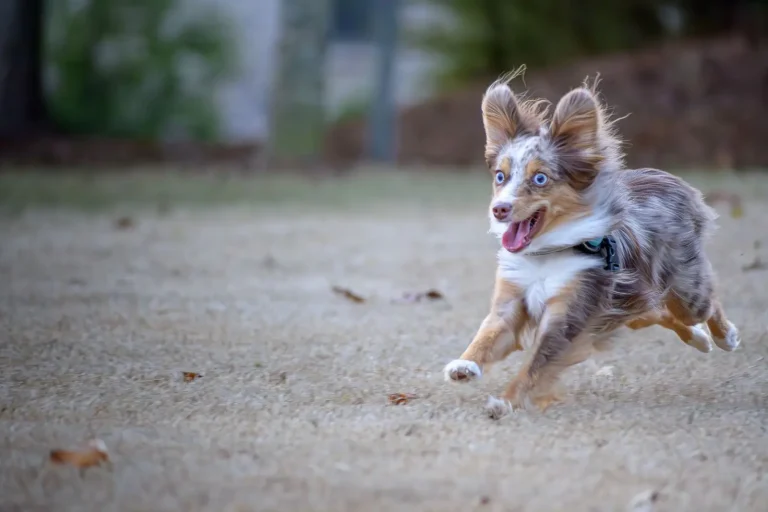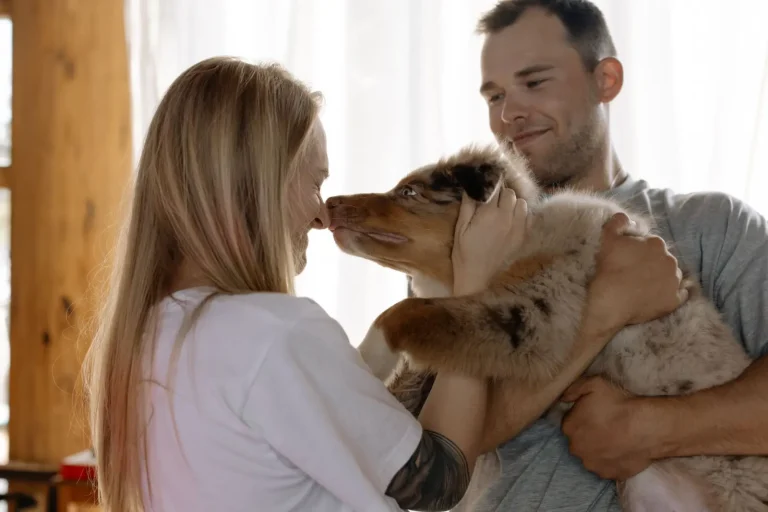

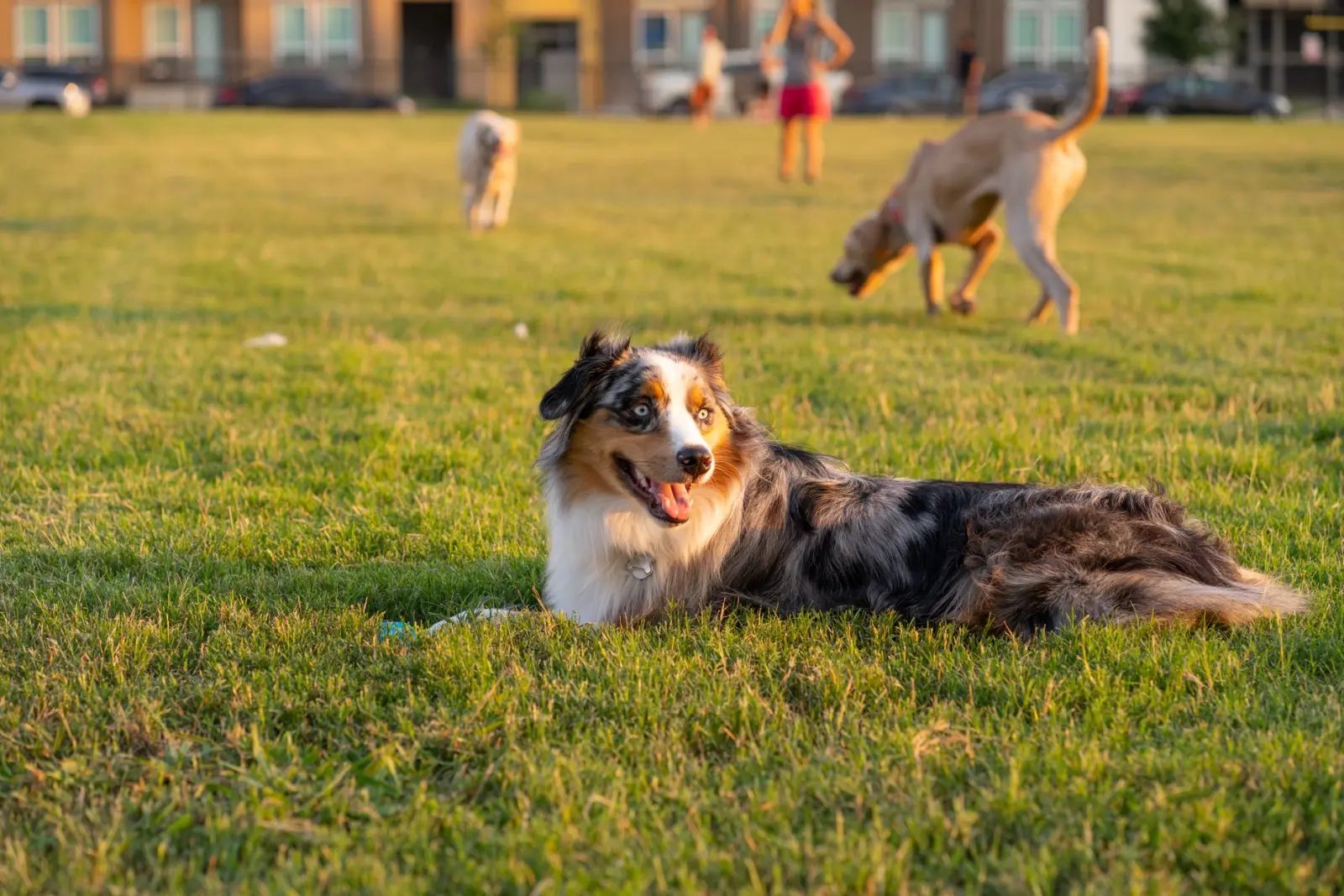
Australian Shepherds have a strong drive to work, and most owners discover fairly quickly that a tired body isn’t the same as a satisfied mind. Physical exercise alone leaves something unfinished in these dogs. What I’ve noticed over years of working with this breed is that scent games tap into something deeper – a kind of focused intensity that physical activity alone rarely produces. It’s not just about burning energy. It’s about giving their brain something concrete to solve.
The breed was developed to move livestock across rough terrain, which meant reading subtle environmental cues constantly. That genetic wiring doesn’t disappear in a pet living in a suburban home. When an Australian Shepherd engages in scent work, you’re essentially allowing them to do what they were built to do. The difference is that instead of tracking sheep across a field, they’re tracking a hidden treat or toy in your living room. The mechanism is the same. The satisfaction is real.
What makes scent games particularly effective with this breed is that they can be done in almost any space and adjusted to the dog’s current skill level. You don’t need special equipment or extensive training knowledge to start. You need an understanding of how your individual dog responds to reward and frustration, and a willingness to keep sessions short enough that they remain engaging rather than tedious.
How Australian Shepherds Approach Scent Work
I’ve watched hundreds of Australian Shepherds encounter their first scent game, and the response varies more than people expect. Some lock in immediately, moving methodically through a space and checking likely hiding spots. Others seem confused at first, as if they’re not sure what the game is asking of them. This isn’t a reflection of intelligence. It’s usually just unfamiliarity with the task structure.
The breed’s herding instinct actually influences how they search. Many Australian Shepherds don’t just sniff randomly. They work a space systematically, often moving in patterns that resemble how they’d move livestock. They cover ground efficiently. They check corners and edges. If you watch closely, you’ll see they’re not just smelling – they’re thinking about the layout of the space and where something hidden might logically be.
One thing that becomes clear with experience is that Australian Shepherds can sustain focus on scent work longer than many other breeds of similar size. Their work ethic translates directly. A session that would leave a different dog frustrated or bored might keep an Australian Shepherd engaged for 10 or 15 minutes without difficulty. The challenge isn’t usually getting them interested. It’s knowing when to stop before they become obsessive about it.
Starting Simple and Building Difficulty
The most common mistake I see is starting too hard. Someone hides a treat in a moderately difficult spot and expects the dog to figure it out on the first try. When the dog can’t find it, the owner either gives up on scent games altogether or becomes frustrated. What works better is beginning with obvious placements where success is nearly guaranteed.
Early sessions should feel like the dog is winning easily. Hide a treat under a cushion on the couch. Let them watch you do it. Let them find it immediately and get rewarded. Repeat this a few times. The point isn’t challenge yet. It’s establishing that sniffing and searching leads to reward. Once that connection is solid, you can gradually make hiding spots less obvious.
A progression that tends to work well is moving from visible-but-slightly-hidden to fully hidden in the same room, then to hidden in different rooms, then to hidden outside. Each step should feel manageable for the individual dog. Some Australian Shepherds move through these stages in days. Others take weeks. Rushing creates frustration, which defeats the purpose of the exercise.
What I’ve observed is that Australian Shepherds often benefit from a verbal cue that signals a scent game is starting. Something simple like “find it” or “search” works. Once they understand what that cue means, they shift into a different mental mode. It’s like flipping a switch. They become more focused, more methodical. The cue itself becomes rewarding because it signals that something interesting is about to happen.
Maintaining Engagement Without Obsession
There’s a balance point with scent work and Australian Shepherds. Too little engagement and they lose interest. Too much and they can become fixated, spending hours searching for treats that aren’t there or becoming anxious if you don’t initiate a game. I’ve worked with dogs that developed an almost compulsive need to sniff every surface in the house because scent games had become their primary enrichment.
The solution isn’t to stop doing scent games. It’s to use them strategically and to vary what you’re hiding. Treats work, but so do toys, especially toys that have scent on them. Some Australian Shepherds respond equally well to finding a favorite ball as they do to finding a piece of chicken. The variety itself helps prevent the behavior from becoming obsessive.
Timing matters too. Scent games work best when the dog isn’t already overstimulated or tired. A dog that’s been running around the yard for an hour might not have the mental focus to engage meaningfully with a scent game. Similarly, a dog that’s hungry will approach the game differently than one that’s already eaten. These aren’t hard rules, but they’re patterns worth noticing in your own dog.
I’ve also found that ending a scent game session on a successful find is more effective than letting it peter out. The dog finishes with a win, gets rewarded, and the activity ends on a positive note. This creates better anticipation for the next session rather than a sense of endless searching.
Real-World Applications Beyond Games
Once an Australian Shepherd understands scent work in a game context, that skill translates to practical situations. Dogs that have done scent games tend to be better at finding lost items, more engaged during walks because they’re allowed to follow interesting scents, and generally more confident in their ability to solve problems independently.
Some owners use scent work to help their Australian Shepherd settle during times when physical exercise isn’t possible. Bad weather, injury recovery, or schedule constraints mean the dog can’t get their usual run. A 15-minute scent game session can provide the mental satisfaction that a walk doesn’t, leaving the dog calmer and more content afterward than they’d be from additional physical activity alone.
The breed’s natural inclination to work also means they often enjoy scent games more than other enrichment activities. A puzzle toy might hold an Australian Shepherd’s attention for a few minutes. A scent game can hold it for longer because there’s a problem to solve, a purpose to the activity. It feels like work to them, which is exactly what they’re looking for.
What I’ve come to understand is that scent games aren’t a luxury for Australian Shepherds. They’re closer to a necessity for mental health. Without some form of scent work or problem-solving activity, these dogs often develop behavioral issues – not from malice or poor training, but from genuine boredom and lack of mental outlet. Providing that outlet changes the dynamic of living with the breed significantly.