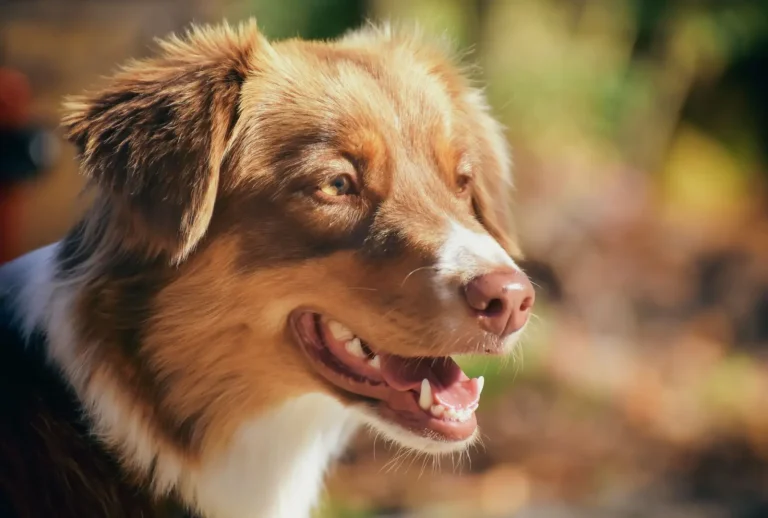

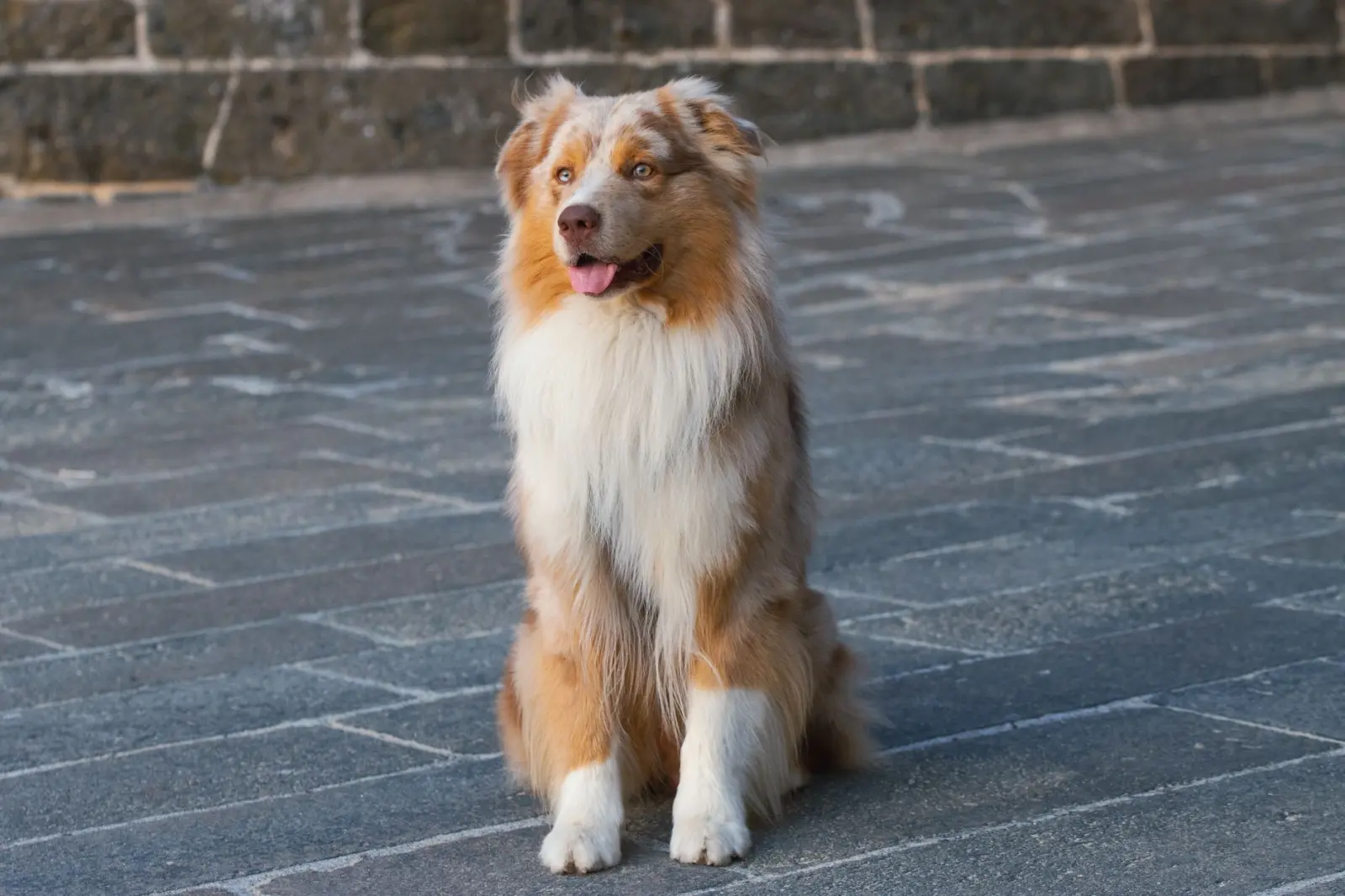
Australian Shepherds are built for canicross in ways that look obvious on paper but reveal themselves differently once you’re actually running. I’ve worked with dozens of these dogs over the years, and they tend to arrive at the starting line with a reputation that precedes them: tireless, responsive, eager to work. The reality is more nuanced. Yes, they have the drive and the physical capacity. But that intensity can work for you or against you depending on how you’ve prepared them and, more importantly, how you understand what they’re actually trying to do out there.
The first thing that strikes you about an Australian Shepherd in harness is their focus. Unlike some breeds that run because they enjoy the motion or the freedom, Aussies run because they’re solving a problem. They’re herding. They’re managing. They’re looking for what needs to be controlled, and when they’re attached to you via a line, you become part of that equation. This isn’t a flaw – it’s the foundation of why they perform well in canicross. But it means you need to recognize what’s happening beneath the surface of good performance.
The Intensity Question
An Australian Shepherd’s energy level is often overstated. People assume they need to run constantly, and that if you’re doing canicross, you’re finally giving them what they’ve been desperate for. What I’ve observed is different. Most Aussies I’ve worked with have a work capacity that far exceeds their actual *need* to move. They can run for hours. They often *want* to run for hours. But there’s a difference between capacity and requirement, and confusing the two leads to problems down the line.
The dogs that struggle most in canicross aren’t the ones that lack drive. They’re the ones whose owners have assumed that more running equals better behavior or better health. An Australian Shepherd that’s been run hard every day for weeks can become irritable, reactive, and actually less responsive than one that’s had proper recovery built into the schedule. I’ve seen dogs that were described as “impossible to control” settle significantly once their owners backed off the mileage and added structure to their downtime.
Harness Fit and Line Handling
The mechanics of actually running with an Aussie matter more than most people realize. A poorly fitted harness won’t just be uncomfortable – it will change how the dog moves and how they interpret your signals. Australian Shepherds are sensitive to pressure and position in ways that some other breeds aren’t. A harness that pulls too far back or sits unevenly can make a dog feel trapped rather than supported, and you’ll feel that resistance in the line.
Line handling with an Aussie requires a different approach than with, say, a Husky or a Pointer. Those breeds often run in a relatively straight line and respond to weight on the harness. Australian Shepherds are constantly adjusting their path based on what they perceive around them. They’ll cut in, shift their weight, and change pace to manage perceived threats or opportunities. If you’re holding a tight line expecting steady forward motion, you’re working against their instincts rather than with them. The dogs that perform best are the ones whose handlers have learned to give them enough line slack to move naturally while still maintaining communication through subtle pressure changes.
What Happens in the First Few Months
Starting an Australian Shepherd in canicross is not the same as starting a dog that’s never worked before. Most Aussies have some form of behavioral framework already – they’ve been managing space, responding to boundaries, interpreting social cues. When you introduce them to running in harness, you’re not building drive from scratch. You’re channeling existing drive into a new context, and that transition can be rougher than people expect.
I’ve seen dogs that were calm and responsive at home become frantic in the first few weeks of canicross training. This isn’t usually a sign that they’re unsuited for it. It’s often a sign that they’re overstimulated by the combination of novelty, physical exertion, and the need to navigate a new set of rules simultaneously. The dogs that settle fastest are the ones whose handlers have kept early sessions short, predictable, and low-pressure. A 20-minute run with clear structure teaches more than an hour of chaotic movement.
Terrain and Pacing
Australian Shepherds tend to excel on varied terrain. Their size and leg length give them advantages on technical ground where larger dogs might struggle. But this same advantage can create a problem: they’ll often try to move faster than their handler can comfortably maintain, especially on uneven surfaces. The temptation is to hold them back with a tight line, but that creates tension and frustration on both ends.
What works better is matching your pace to what the dog can sustain without strain, then letting them find their rhythm within that boundary. Most Aussies will settle into a steady pace once they understand the expected range. The ones that don’t are often responding to uncertainty about what’s being asked of them, not to a genuine desire to bolt. Establishing a consistent pace early – even if it feels slower than you’d like – pays dividends in responsiveness and reliability.
Temperature management is worth attention with this breed. Australian Shepherds have dense coats designed for temperature regulation in varied climates, but they’re not immune to heat stress. I’ve noticed that Aussies tend to push through discomfort rather than showing obvious signs of struggle. They’ll keep running even when they’re overheating because stopping doesn’t align with their work ethic. You need to monitor them actively rather than relying on them to self-regulate, especially early in the season or in warm conditions.
Recovery and Behavioral Changes
One of the most useful observations I’ve made is how an Australian Shepherd’s behavior off the trail reflects their recovery status. A dog that’s properly recovered will be calm, responsive, and engaged during downtime. A dog that’s underdone recovery will often show as hypervigilance, reactivity to minor stimuli, or compulsive behaviors like excessive chewing or circling. These aren’t signs that the dog needs more running. They’re signs that the nervous system hasn’t settled.
Building adequate rest into a training schedule isn’t the same as just not running on certain days. It means creating conditions where the dog can genuinely decompress. For an Australian Shepherd, this often means structured time in a calm environment without competing stimuli. A dog that’s been worked hard needs quiet, not just inactivity.
The partnership between a runner and an Australian Shepherd in canicross works best when both parties understand what they’re actually doing together. You’re not managing a tireless machine that needs constant output. You’re working with an intelligent, responsive animal that brings intensity and focus to the task. Respect that intensity, give it structure, and the dog will perform with a reliability and smoothness that makes the whole endeavor feel effortless. Push against it without understanding it, and you’ll spend a lot of energy fighting against the very qualities that make the breed well-suited for the sport in the first place.