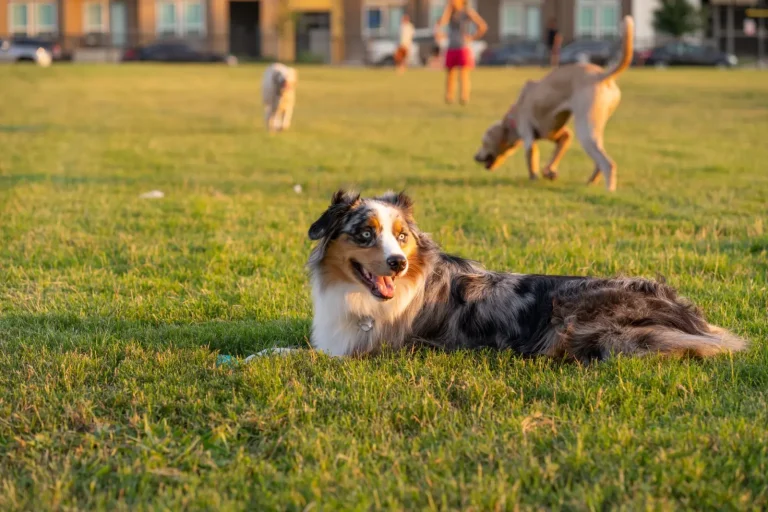

Australian Shepherds have a particular way of moving through the world. They’re always scanning, always processing. After years of working with them, I’ve noticed that the ones who seem most settled indoors are the ones getting genuine mental engagement outdoors – not just exercise, but the kind of focused work that matches how their brains are wired. Generic fetch games help, but they’re rarely enough on their own.
The difference between a tired dog and a satisfied dog becomes obvious when you start using outdoor space as a training ground rather than just a place to burn energy. An Australian Shepherd can run for an hour and still have that restless quality if the activity doesn’t engage their problem-solving capacity. Games that require them to think, make decisions, and respond to cues tend to produce a different kind of fatigue – the kind that actually translates to calmer behavior later.
Direction and Distance Control
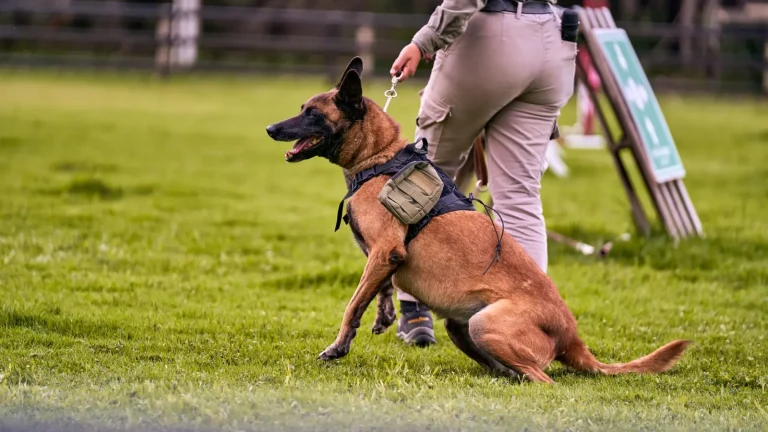
One of the most practical games I’ve used involves sending a dog to specific locations at distance. You mark out zones in your yard or field – a corner, a tree, a particular spot – and teach the dog to go to each one on command. This isn’t complicated to set up, but it demands sustained focus from the dog and builds genuine obedience under distraction.
Start by placing the dog at one point and having a target location just a few feet away. A low jump, a mat, or even a marked spot works. Use a consistent cue – “go to tree” or whatever you choose – and reward heavily when they reach it. The reward should come from you, not from the location itself, so the dog learns they’re working for your approval, not just running to a spot.
Over weeks, you increase distance and add more locations. The dog learns to hold direction, ignore distractions, and respond to your cues from across a field. I’ve found this builds remarkable focus in Australian Shepherds because it channels their natural herding impulse – they’re used to moving to specific places and responding to direction – but directs it toward you rather than toward livestock or other dogs.
Impulse Control at a Distance
Australian Shepherds often struggle with impulse control in stimulating environments. They see movement and want to respond. A game that addresses this directly involves setting up a scenario where the dog must wait while something interesting happens nearby, then only move when released.
I typically start this with a toy or treat placed a short distance away. The dog sits or lies down, and you walk toward the object, touch it, move it around – whatever creates interest. The dog’s job is to stay in place until you give a release cue. This is harder than it sounds for a dog bred to react quickly to movement. The frustration they feel is actually productive. They’re learning to override their instinct and defer to your judgment.
Once they’re solid at close range, you can increase the distance between the dog and the object, or have another person move the object around while you remain with the dog. The key is consistency. If you release the dog sometimes and not others, or if you’re inconsistent with your timing, the game loses its training value. Australian Shepherds are pattern-recognition animals. They’ll figure out when you’re serious and when you’re not.
Scent Work and Problem-Solving
Scent games engage a different part of the brain than directional work. I’ve noticed Australian Shepherds often approach scent work with intense focus because it requires them to slow down and use their nose rather than just their eyes and legs. This is valuable because many of them are naturally fast, reactive animals. Slowing them down is genuinely difficult and genuinely useful.
The simplest version involves hiding a toy or treat in your yard and teaching the dog to find it on cue. You can start with obvious hiding spots – a toy partially visible in the grass – and gradually make it harder. Some dogs catch on immediately. Others need more guidance initially. Either way, the process of searching, thinking, and solving the puzzle is more mentally demanding than it appears.
As they improve, you can hide multiple items and have them find them all, or hide items in different areas of your property. Some people use specific scents like essential oils on cotton balls. The complexity is entirely up to you. What matters is that the dog is using their brain in a way that’s different from running and chasing.
Obstacle Navigation and Sequence Work
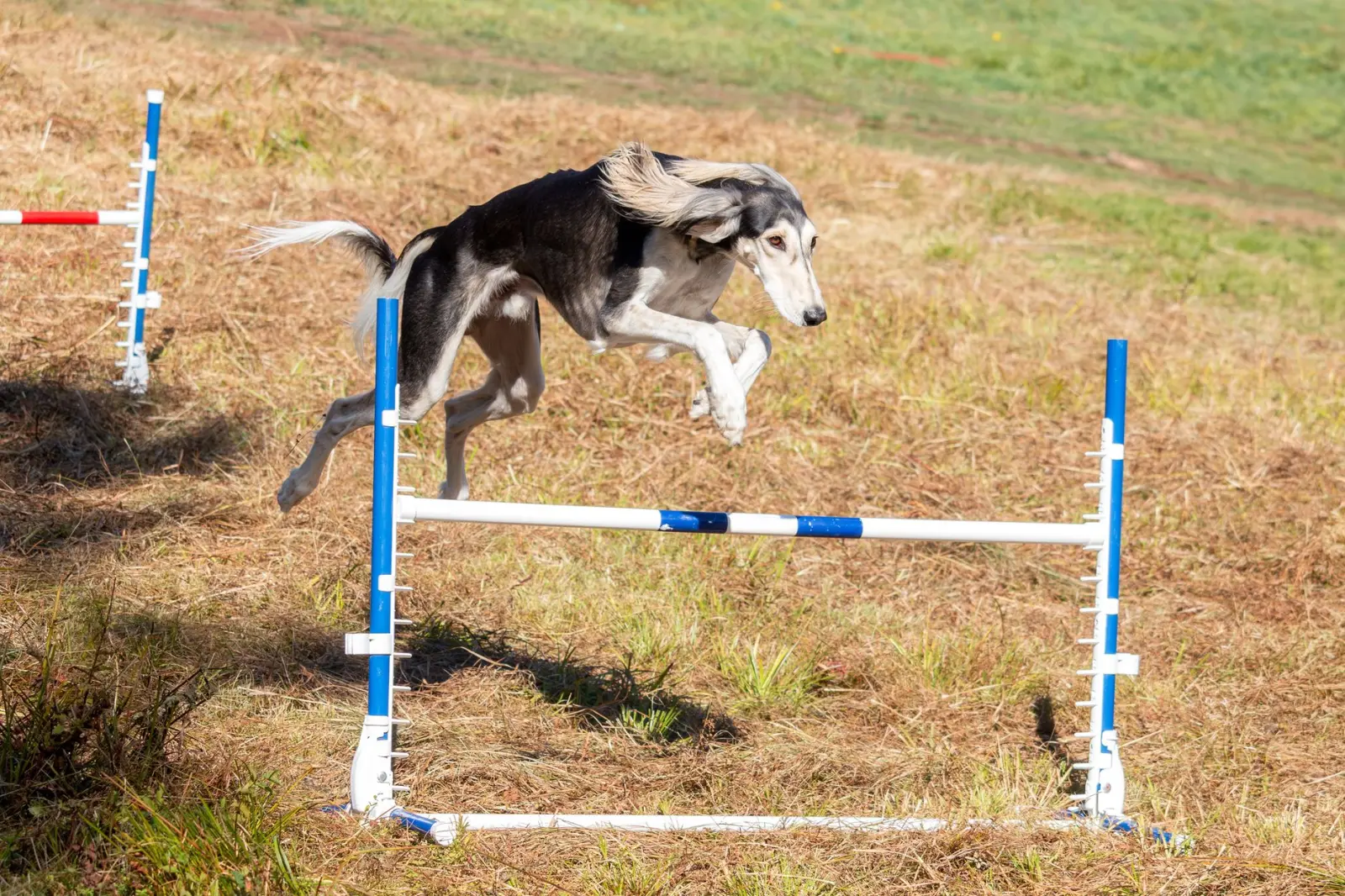
Building a simple course in your yard – nothing fancy, just a few jumps, weave poles made from PVC, a low tunnel – creates opportunities for structured play that requires focus and physical control. Australian Shepherds tend to enjoy this kind of work because it combines movement with precision.
The game isn’t about speed. It’s about the dog moving through a sequence on your cues, waiting for direction at each obstacle, and responding to your guidance. You might send them through a jump, then stop them before the next obstacle, then cue them to weave. This demands attention and impulse control in a way that free running never does.
I’ve seen dogs that are chaotic off-leash become remarkably composed when they’re working through a course because the structure gives them a clear job. They know what’s expected. There’s no ambiguity. For a dog that’s naturally anxious or overstimulated by open space, this can be genuinely calming.
Variability and Real-World Application
The most important thing I’ve learned about outdoor training games with Australian Shepherds is that consistency matters far more than complexity. A simple game played the same way every time teaches more than an elaborate game that changes constantly. These dogs thrive on predictability and clear expectations.
That said, once a game is solid, introducing small variations keeps it interesting. If your dog has mastered finding hidden treats in the same area, move to a new location. If they’re solid on directional cues in your yard, try a park or field. The foundation stays the same, but the environment changes.
What I’ve observed most often is that owners underestimate how much mental work their Australian Shepherd actually needs. The dogs that seem “difficult” or “hyperactive” are frequently just understimulated. They have capacity for focus and work that isn’t being tapped. Once you start using outdoor time for actual training games rather than just exercise, the difference in their behavior indoors becomes noticeable within weeks. That’s not because they’re tired – though they are – but because their brain is finally getting the kind of engagement it’s designed for.