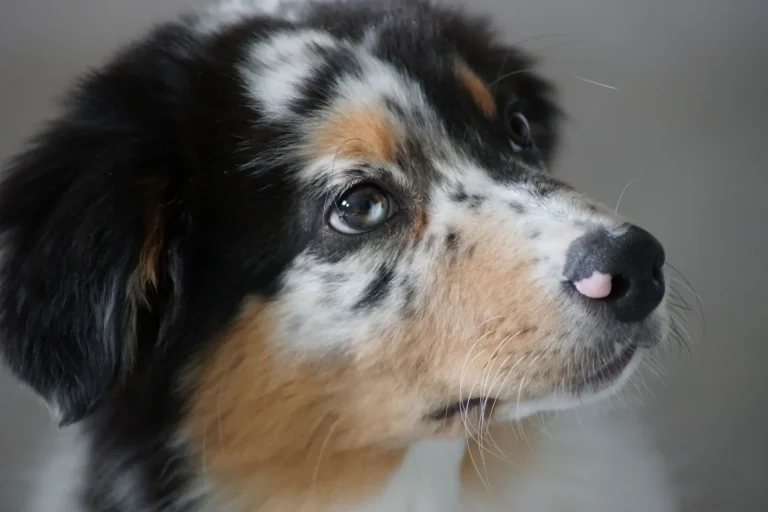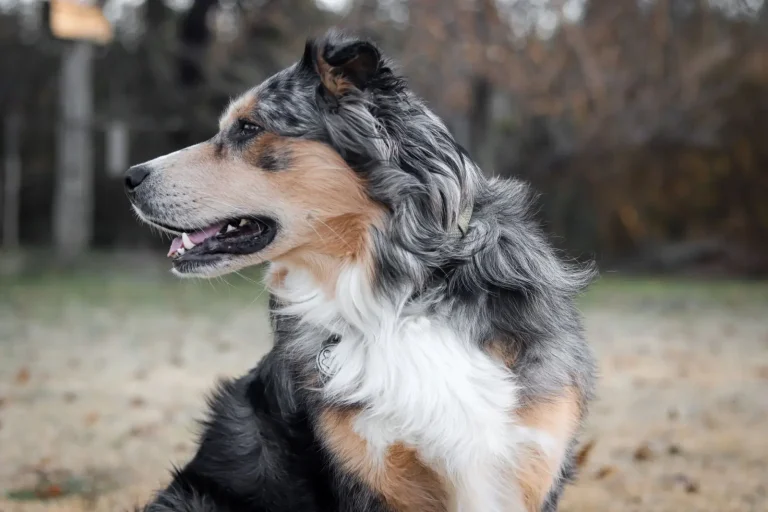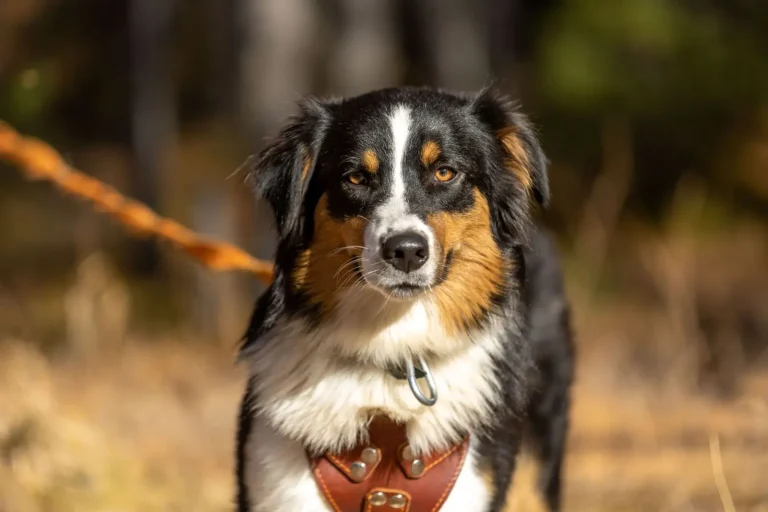

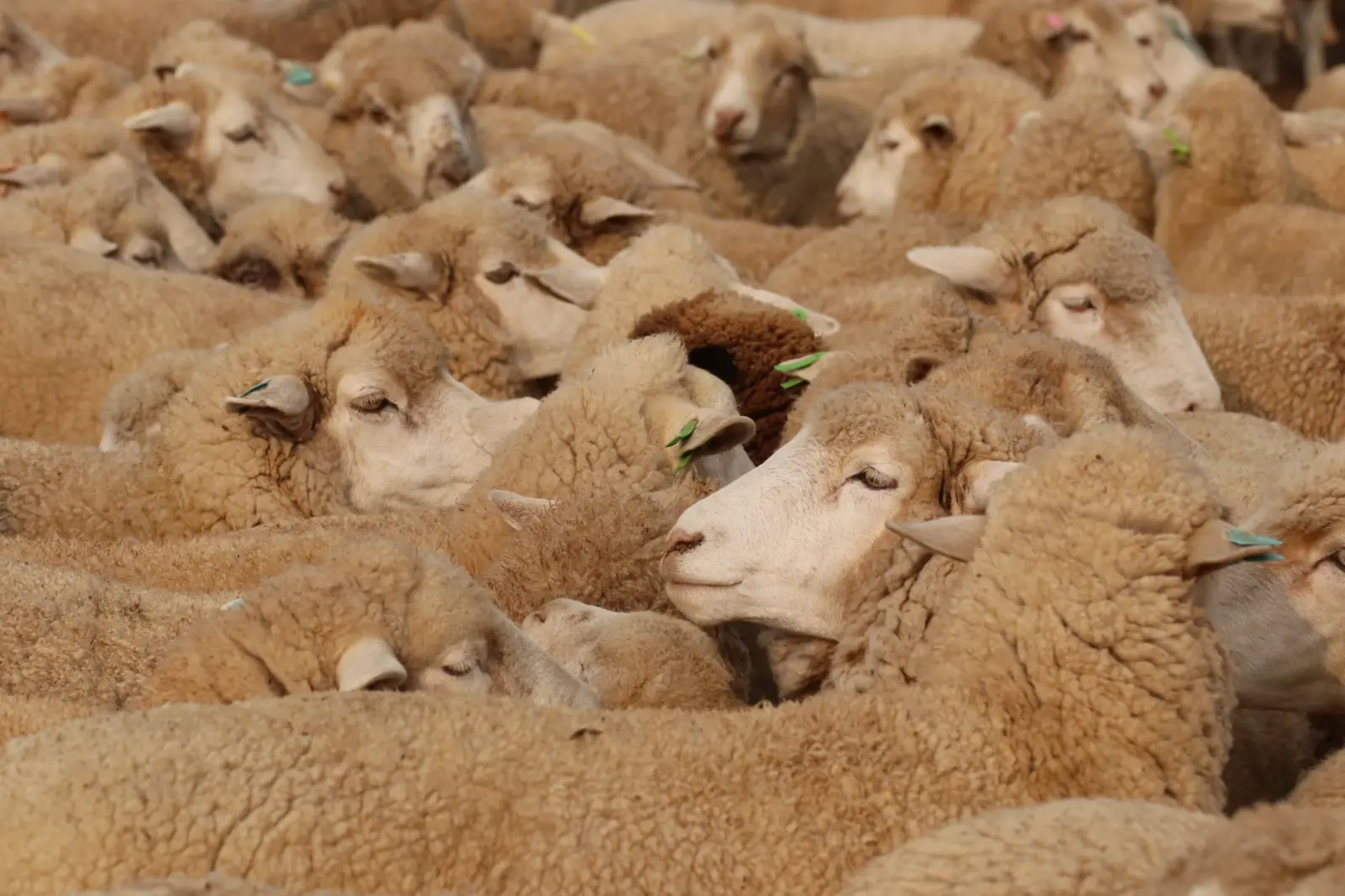
Australian Shepherds have a reputation for being natural herding dogs, and in some ways that’s accurate. But that reputation often creates false expectations. I’ve worked with enough of these dogs around sheep, cattle, and poultry to know that “natural instinct” and “ready to work” are two very different things. A young Aussie Shepherd might have the genetic wiring to chase and control livestock, but that instinct without direction usually becomes a liability instead of an asset.
The first thing to understand is that herding instinct and herding training are separate processes. You can have a dog with strong prey drive and chase impulses that will never become a functional herding dog because nobody taught it where the boundaries are. Conversely, you can have a dog with moderate instinct that becomes reliable around livestock because it learned the rules early and consistently. The instinct is the starting material. Training is what builds something useful.
Most problems I see happen because people assume the dog will figure it out on its own, or they wait too long to establish clear boundaries. An Australian Shepherd that’s been allowed to chase chickens freely for six months has learned that chasing is rewarding and fun. Breaking that habit later is exponentially harder than preventing it in the first place. The dog doesn’t see itself as doing something wrong – it’s been practicing success.
Starting Young and Setting Clear Limits
If you’re bringing a young Australian Shepherd into a property with livestock, the first few interactions matter disproportionately. I’ve found that controlled, supervised exposure works better than either total isolation or free access. A puppy that’s introduced to sheep or cattle on a leash, in calm conditions, with consistent correction for inappropriate behavior, learns the framework before instinct takes over.
The key is consistency in what you’re correcting. If the dog gets away with stalking behavior sometimes but gets corrected other times, it creates confusion rather than learning. The dog needs to understand that intense focus, crouching, or forward movement toward livestock is not acceptable – regardless of who’s watching or what the dog’s mood is. This isn’t about being harsh. It’s about being predictable.
I’ve had better results with a long line in early training than with off-leash work. A 20 or 30-foot rope gives the dog space to move and explore while keeping you able to interrupt and redirect. When the dog fixates or begins stalking, you have immediate control without needing to chase or escalate. The dog learns that the boundary exists whether it’s on a leash or not, because the consequence is consistent.
Understanding Prey Drive Versus Herding Drive
Not all chase behavior is herding behavior. This distinction matters because how you respond depends on what you’re actually seeing. A dog that’s trying to kill something is showing predatory aggression. A dog that’s trying to control movement and gather animals is showing herding instinct. They look similar at first, but they develop differently and require different responses.
A herding-oriented dog will typically show interest in movement, may circle or flank, and responds to the animal’s direction by adjusting its own position. It’s trying to manage the situation. A prey-driven dog is focused on the individual animal, often targeting the back or legs, and is less concerned with overall control. It’s trying to catch something. Australian Shepherds can have both, and which one dominates depends partly on genetics and partly on what you’ve reinforced through your responses.
If you’re seeing pure predatory behavior – stalking, pouncing attempts, focus on vulnerable animals like young chicks or kids – that’s a sign you need to restrict access and work on impulse control before you do any herding work. A dog that’s learned to kill isn’t safe around livestock, period. That’s not a training problem to solve gradually. That’s a management problem that requires separation.
The Role of Obedience in Livestock Work
I’ve noticed that dogs with solid obedience – reliable sit, down, stay, and recall – transition to livestock work much more smoothly than dogs without it. The obedience gives you a communication system that works when the dog is aroused or distracted. If your Australian Shepherd doesn’t respond to “down” when you’re in the living room, it won’t respond to “down” when it’s fixated on sheep either.
Recall is particularly important. You need to be able to call the dog away from livestock instantly and have it comply. This isn’t something you can train only when you need it. It needs to be practiced in low-distraction environments first, then gradually introduced around increasingly interesting stimuli. A dog that comes reliably to you in the yard might completely ignore you when livestock is moving nearby. That’s not disobedience – it’s just the priority hierarchy the dog has learned.
Some handlers use a whistle system instead of voice commands, and I’ve found that works well for Australian Shepherds, especially if you’re working at distance. The whistle is consistent, carries farther, and the dog can learn specific signals for different behaviors. But regardless of the system, the dog needs to understand that responding to you takes priority over what the livestock is doing.
Common Mistakes and What They Cost
One of the most common mistakes is assuming that an Australian Shepherd raised with livestock will automatically be safe and reliable. I’ve seen dogs that grew up on farms develop serious problems because nobody established rules. The dog learned that it had free access to the animals and could interact with them however it wanted. When the owner finally tried to establish boundaries, the dog was confused and resistant.
Another mistake is using livestock as a reward or play outlet. If a dog learns that chasing sheep is the most fun thing available, you’re fighting against its own reward system. I’ve worked with handlers who would let their dogs “blow off steam” by running livestock, then get frustrated when the dog wouldn’t leave the animals alone at other times. The dog wasn’t being stubborn. It was being consistent – chasing livestock was rewarding, so it kept doing it.
Punishment after the fact doesn’t work well either. If the dog has already chased the sheep and you punish it an hour later, the dog doesn’t connect the correction to the behavior. It just knows that sometimes you’re angry. If you’re going to correct, it needs to happen during or immediately after the unwanted behavior, and it needs to be something the dog actually finds unpleasant enough to change its choice next time.
Building Real Working Capability
If you actually want a dog that can work livestock – not just coexist with them safely – the training becomes more specific. You’re teaching the dog to read animal behavior, respond to subtle cues from you, and manage movement in ways that accomplish a goal. This is different from “don’t chase the chickens.” This is active work.
Most Australian Shepherds I’ve seen develop working capability do so gradually, through repeated exposure and consistent feedback. A dog learns to move sheep to a gate by doing it dozens of times, not by understanding a concept. It learns the difference between a gather and a drive by experiencing both and getting reinforced for the right one. This takes time and patience, and it requires someone who understands what they’re trying to accomplish.
The dog also needs to learn to read pressure and release. When you move toward the sheep, the dog learns to move away from them. When you stop, the dog learns to hold position. When you move in a different direction, the dog adjusts. These are subtle communications that build over time. They’re not something you can teach in a training session. They emerge through working together repeatedly.
An Australian Shepherd that’s been properly introduced to livestock, taught clear boundaries, and given consistent feedback can become genuinely reliable around animals. But that reliability comes from training and management, not from breed reputation. I’ve seen poorly managed Aussies cause real damage to livestock, and I’ve seen carefully trained ones that are trustworthy in almost any situation. The difference isn’t the dog’s genetics. It’s what the owner invested in establishing and maintaining.