
Australian Shepherds in summer heat present a particular problem that doesn’t resolve with standard advice. These dogs were bred for work in variable conditions, and they carry a strong drive to stay active regardless of temperature. Over years of working with them during Australian summers, I’ve seen the same pattern repeat: owners understand intellectually that exercise needs to be adjusted, but the dogs themselves don’t accept that adjustment gracefully. The conflict between what the dog wants to do and what the environment safely allows becomes the real management challenge.
The core issue is that Australian Shepherds are not built for heat tolerance. Their double coat, while excellent for temperature regulation in moderate climates, becomes a liability when ambient temperature climbs above 28 – 30°C. The breed’s metabolism runs high, and their natural inclination is to work, herd, and move constantly. During summer months, this creates a genuine mismatch between their behavioral needs and physiological safety. I’ve watched dogs become frustrated and anxious when their exercise is curtailed, which then manifests as destructive behavior or obsessive patterns indoors. That frustration is real, and it needs to be addressed differently than simply reducing exercise time.
The Heat Window Problem
One of the most overlooked aspects of summer management is the shrinking window of safe exercise time. In many parts of Australia during peak summer, that window might be 5 – 6 AM to 8 AM, and then again from 6 PM onwards. Outside those hours, ground temperature and humidity make sustained activity genuinely risky. Paw pad burns from hot pavement are common, but they’re often treated as minor incidents when they’re actually signs that the dog has been working in unsafe conditions.
What I’ve observed is that owners often misjudge how quickly conditions deteriorate. A dog can seem fine at 9 AM in early December, but by mid-January, the same time of day becomes problematic. The dog’s coat doesn’t change, their drive doesn’t change, but the environment does. This requires active recalibration throughout the season, not a single adjustment made once in November.
Early morning exercise, when done consistently, becomes the anchor point for the day. A solid 45-minute to hour-long session before the heat builds allows the dog to expend significant energy while remaining safe. The dog is also more responsive and focused in cooler conditions, which means the quality of interaction and training is higher. I’ve found that dogs who get this early window tend to settle better through the day, even if afternoon activity is minimal.
Mental Work as a Heat-Safe Alternative
Physical exercise isn’t the only way to tire an Australian Shepherd, though it’s often treated as if it is. These dogs have strong problem-solving drives, and mental engagement can be surprisingly effective at reducing the restlessness that builds when physical activity is limited. Puzzle toys, scent work, training sessions focused on new behaviors, and even simple games like hide-and-seek in the house provide genuine cognitive stimulation.
The practical advantage of mental work is that it can happen indoors during the heat of the day. A 20-minute training session in an air-conditioned room, focused on something the dog finds challenging, can be as tiring as a 45-minute walk in cooler conditions. The dog’s brain is working hard, they’re engaged with their handler, and there’s no heat stress. What I’ve noticed is that dogs who receive this kind of mental engagement during summer tend to have fewer behavioral problems than those whose owners try to maintain their normal exercise routine despite the heat.
Scent work is particularly valuable. Setting up simple scent searches around the house, hiding treats or toys for the dog to find, or even just changing the environment regularly keeps the dog’s nose and mind engaged. Australian Shepherds have reasonable scenting ability, and many seem to find this kind of work genuinely satisfying. It’s not a replacement for physical exercise, but it’s a meaningful component of a realistic summer routine.
Water Management and Hydration Reality
Access to water is obvious, but the practical details matter more than the general principle. Dogs with constant access to water sometimes drink too much too quickly, particularly if they’ve been active or are anxious about heat. This can lead to bloating or other complications. What works better is regular, measured water breaks during and after activity. During early morning exercise, I typically offer water every 15 – 20 minutes rather than leaving it to the dog’s judgment.
Cooling mats and wet towels are useful, but they’re often overestimated in their effectiveness. A dog lying on a cooling mat will feel some relief, but it’s not a substitute for reduced activity during peak heat. Some dogs also resist lying on cooling mats or wrapped in wet towels, particularly if they’re not accustomed to it. Introducing these gradually, before summer arrives, makes them more likely to be tolerated when they’re actually needed.
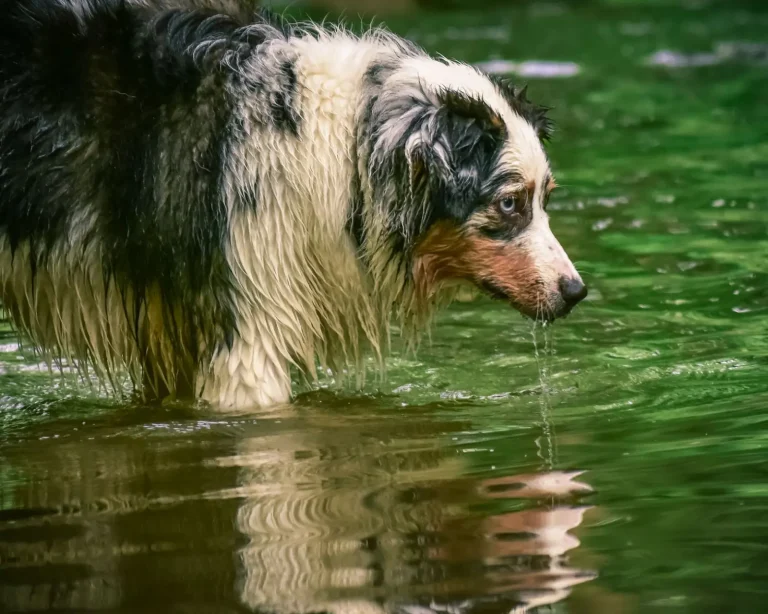
Swimming is often suggested as an alternative exercise, and it does provide physical activity with built-in cooling. However, not all Australian Shepherds enjoy water, and forcing water exposure creates stress rather than relief. For dogs that do enjoy swimming, it’s genuinely valuable during summer. For those that don’t, pushing it is counterproductive.
Recognizing Heat Stress in Real Time
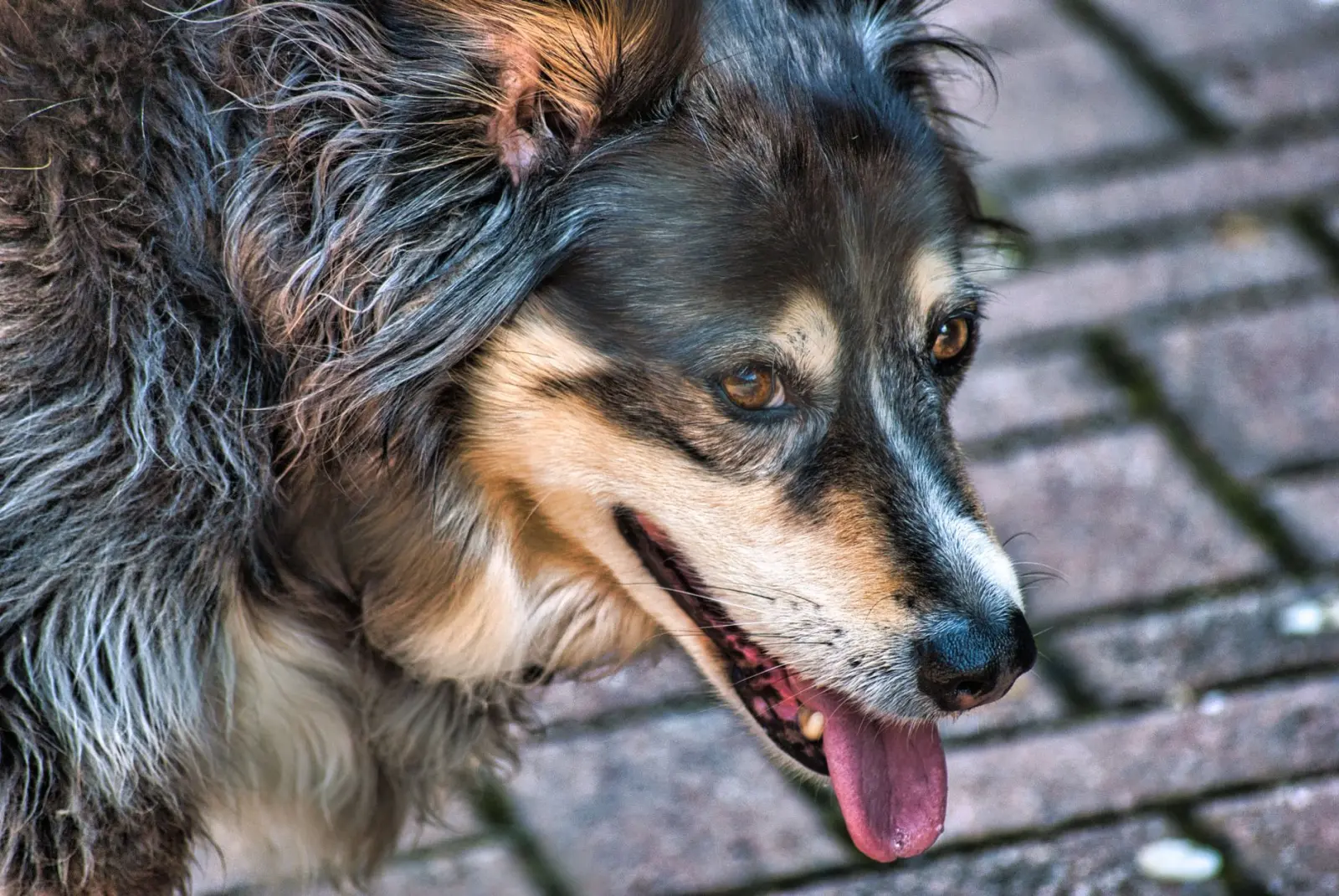
Heat stress in dogs progresses in stages, and recognizing the early signs matters more than waiting for obvious symptoms. Excessive panting that doesn’t slow down even after the dog stops moving is an early indicator. Drooling more than usual, reluctance to continue activity that the dog normally enjoys, and a slightly glazed or unfocused expression are all signals that the dog is working too hard for current conditions. By the time a dog is staggering or vomiting, significant damage may already be occurring.
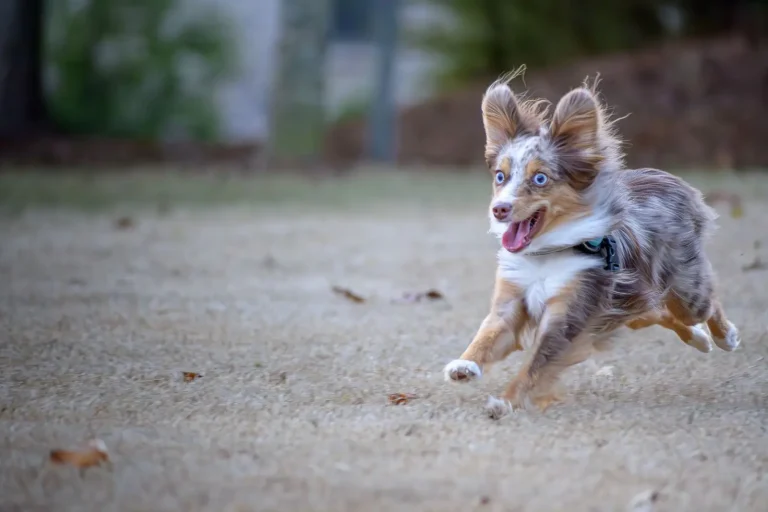
I’ve also noticed that Australian Shepherds, being driven dogs, often push themselves beyond safe limits if given the opportunity. A dog that would normally stop when tired might keep working because there’s herding to do or a ball to chase. This is where handler judgment becomes critical. The dog won’t self-regulate in the heat the way it might in cooler conditions, so the responsibility falls entirely on the person managing the dog.
Humidity is often more problematic than temperature alone. A 32°C day with low humidity is more manageable than a 28°C day with 80% humidity, because the dog’s cooling mechanism – evaporative cooling through panting – becomes less effective. This is why coastal areas and inland areas with similar temperatures can feel very different for a working dog.
Seasonal Adjustment and Coat Considerations
The double coat that makes Australian Shepherds beautiful and functional in many climates becomes a genuine burden in summer heat. Shaving the coat is sometimes considered, but it’s not a simple solution. The undercoat provides some insulation and UV protection, and shaving can actually make some dogs more prone to overheating because it disrupts their natural thermoregulation. Regular brushing to remove loose undercoat is more effective and less disruptive than shaving.
What I’ve observed is that dogs with well-maintained coats, where loose hair is regularly removed, tend to manage summer better than dogs with matted or neglected coats. The difference isn’t dramatic, but it’s measurable in terms of how the dog behaves during warm weather.
Accepting that summer will be different from other seasons, and planning accordingly from the start, reduces the frustration that comes from trying to maintain a normal routine in abnormal conditions. Australian Shepherds are adaptable dogs, but they adapt better when their handlers adjust expectations proactively rather than reactively managing problems as they arise.