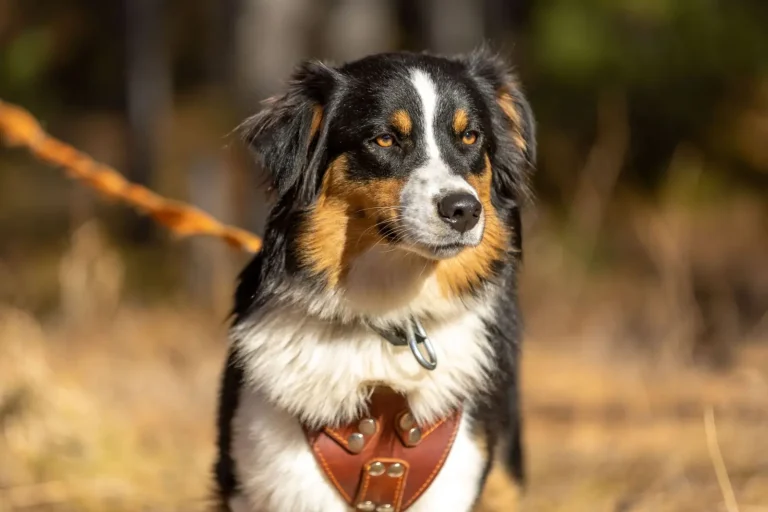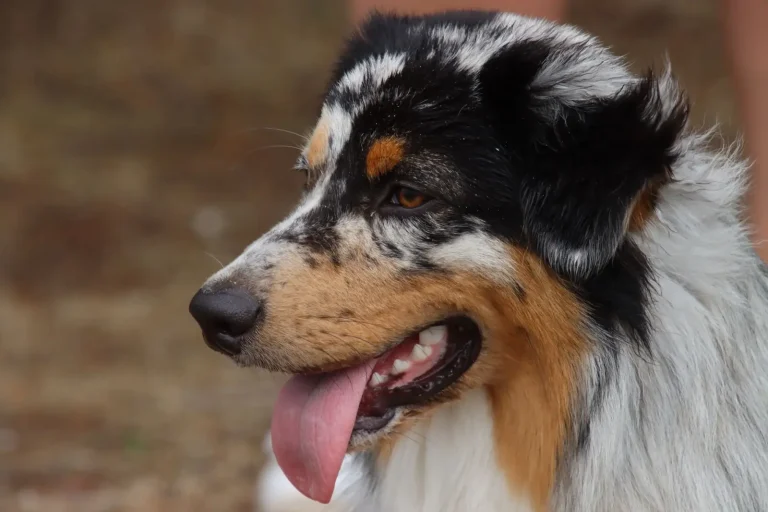

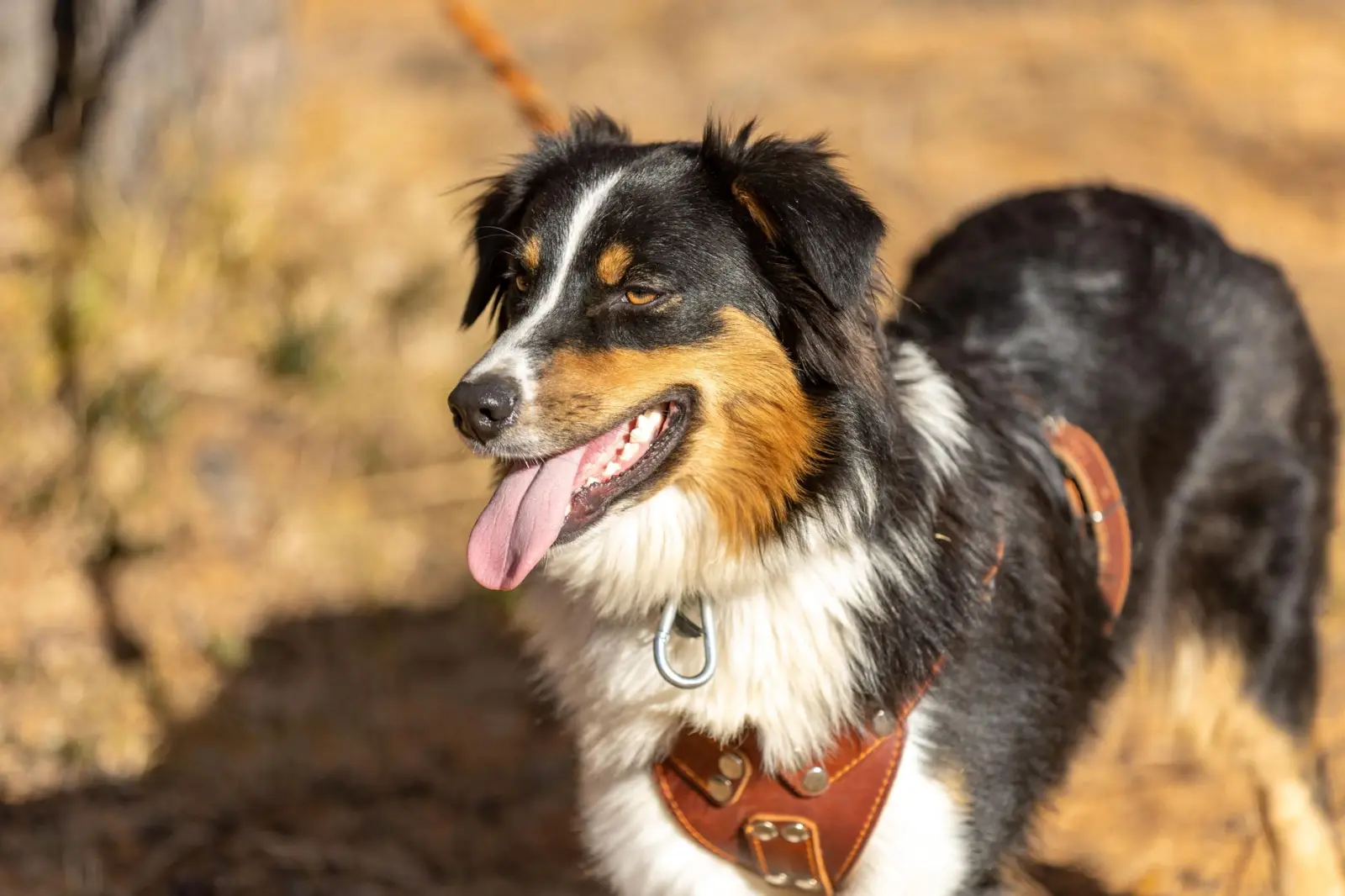
Working with Australian Shepherd puppies over the years has taught me that treat selection matters far more than most people realize. It’s not simply about grabbing whatever is on the shelf at the pet store. The treats you choose directly influence how quickly your puppy learns, how engaged they stay during training sessions, and whether they develop problematic food-seeking behaviors down the line. Australian Shepherds are food-motivated by nature, which is genuinely helpful for training, but that same motivation can work against you if you’re not thoughtful about what you’re rewarding with.
The first thing I notice when working with these puppies is their sensitivity to treat size and texture. Australian Shepherds have relatively small mouths compared to their energy levels, and a puppy under four months old needs treats they can consume in a single bite without much chewing. If a treat is too large or too chewy, the puppy spends more time working through it than focusing on what you’re trying to teach. This breaks the connection between the behavior and the reward. I’ve seen puppies lose interest in training sessions simply because they were too busy processing a treat that was meant to motivate them.
The Role of Soft, Quick-Dissolving Treats
Soft treats have become my go-to for serious training work with Australian Shepherd puppies. These include small pieces of chicken breast (boiled or lightly pan-seared with no seasoning), turkey, or beef. The appeal is straightforward: they’re palatable, they disappear almost immediately, and the puppy stays mentally present rather than distracted by the mechanics of eating. When you’re teaching a sit or a recall, you want the reward delivered and processed in under two seconds so you can move to the next repetition.
Freeze-dried meat treats are another option I’ve used extensively. They have that soft texture when the puppy bites into them, but they’re shelf-stable and don’t require refrigeration. The downside is cost – they’re more expensive than fresh meat – but for puppies that are particularly distracted or for training sessions where you need portability, they’re worth it. I’ve noticed Australian Shepherd puppies respond especially well to freeze-dried chicken or liver because the smell is intense and the reward feels immediate.
What Doesn’t Work as Well as It Should
Commercial puppy treats marketed as “training treats” are often harder and denser than they need to be. Many contain fillers and binders that don’t add nutritional value, and some are flavored in ways that appeal more to humans than to dogs. I’ve watched puppies spit out or ignore treats that were supposed to be irresistible, which tells me the marketing doesn’t always match the product’s actual appeal to the dog. The other issue with many commercial options is portion control. A single treat can be 10 – 15 calories, which adds up quickly when you’re doing multiple training sessions throughout the day.
Treats with added sugar or artificial sweeteners are something I avoid entirely with puppies. Beyond the obvious dental concerns, I’ve observed that puppies fed high-sugar treats show increased hyperactivity and shorter attention spans during training. Australian Shepherds are already high-energy; the last thing you need is a puppy bouncing off the walls because of a sugar spike. Xylitol, which appears in some “sugar-free” treats, is toxic to dogs, so reading labels carefully is non-negotiable.
Balancing Treats Within Daily Nutrition
One thing that separates effective training from chaotic feeding is understanding that treats are part of your puppy’s total daily caloric intake. A growing Australian Shepherd puppy needs a specific amount of calories and nutrients to develop properly. If treats make up more than 10% of daily calories, you’re either overfeeding or displacing actual nutrition. I typically work with a puppy’s main meals first, then calculate how many training treats can fit within the remaining daily allowance without throwing nutrition out of balance.
This is where portion size becomes critical. I cut treats into pieces no larger than a pea for puppies under 12 weeks old. Yes, that sounds small, but remember that the reward isn’t the quantity – it’s the association between the behavior and the positive outcome. A tiny piece of chicken is just as rewarding to a puppy as a large one, provided the timing is right and the treat is something the puppy actually wants. Smaller pieces also mean you can do more training repetitions without overfeeding, which keeps the puppy’s weight on track and their digestive system stable.
Reading Your Puppy’s Response
Over time, you learn to read whether a particular treat is actually motivating your puppy or just filling their stomach. Some puppies lose interest in a treat after a few repetitions, which means it’s time to rotate to something else. Others become so fixated on the treat that they stop listening to commands and just stare at your hand waiting for the reward. That’s a sign the treat is too high-value for the current training stage, or that you need to increase the difficulty of the behavior before offering that particular reward.
Australian Shepherd puppies also develop preferences based on what they’ve been exposed to early on. If a puppy has only ever had kibble-based treats, they may be less interested in fresh meat at first, even though meat is typically more motivating. It takes a few exposures for them to understand that this new option is worth their attention. I’ve found it useful to introduce variety early, so the puppy learns that different situations call for different rewards.
The practical reality of training with Australian Shepherd puppies is that consistency matters more than perfection. Choosing treats that are safe, appropriately sized, and actually motivating to your individual puppy removes a major variable from the training equation. When the reward system is working smoothly, the puppy can focus on learning the behavior rather than being distracted by hunger, discomfort from oversized treats, or confusion about what they’re being rewarded for. That clarity is what accelerates learning and builds a puppy that genuinely enjoys training sessions rather than tolerating them.