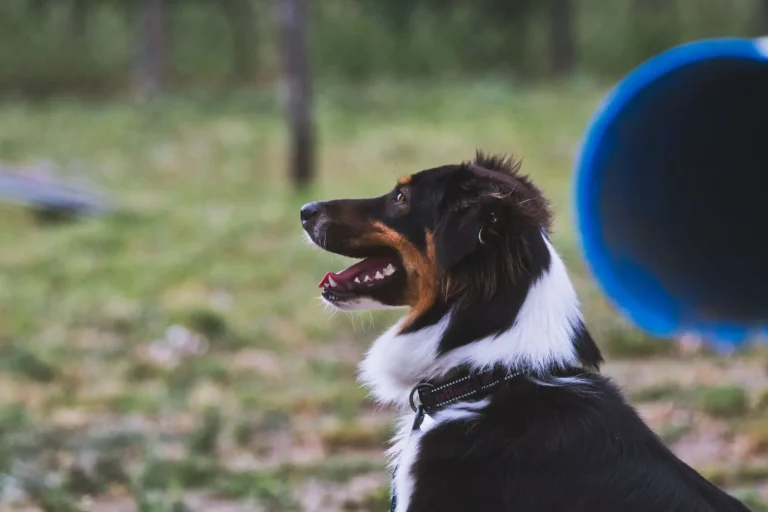

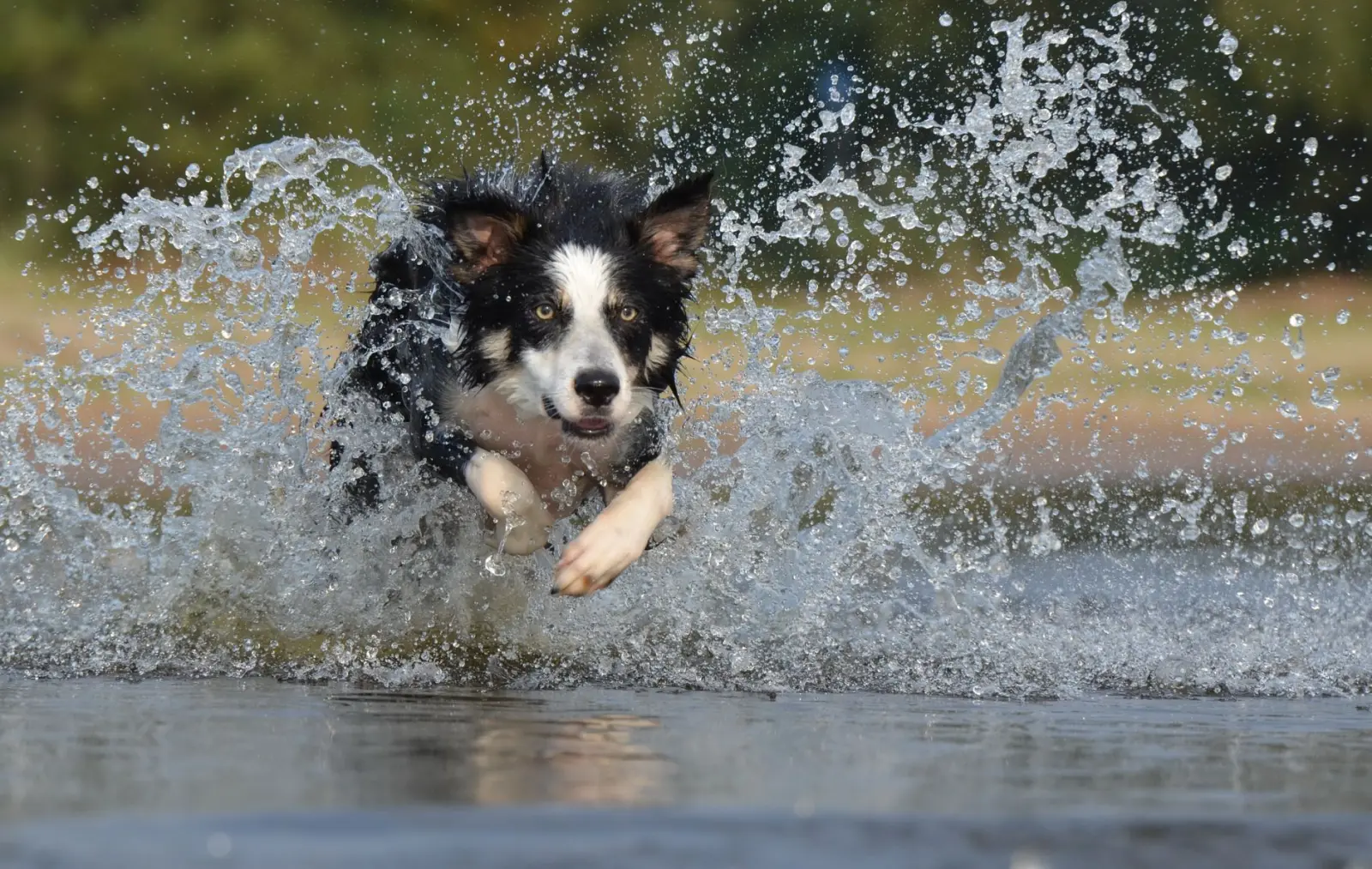
Australian Shepherds are built for work. They move with purpose, drive, and a kind of fluid athleticism that defines the breed. When you’ve spent years around these dogs, you develop a feel for what normal movement looks like – the way they push off their hind legs, how they navigate stairs, the ease with which they shift direction. That familiarity is your most reliable tool for catching mobility changes early, often before an owner realizes anything is wrong.
The challenge is that Aussies are stoic workers by nature. They don’t complain. A dog bred to herd livestock for hours will push through discomfort that would stop other breeds in their tracks. This means you’re not waiting for obvious limping or dramatic refusal to move. You’re looking for subtler shifts in how they carry themselves, how they rise, and how they navigate their day.
The Gait: What Changes and Why
The first place most mobility issues show up is in the walk itself. An Australian Shepherd in good form has a distinctive stride – powerful, coordinated, with good reach in the front legs and strong drive from behind. When something begins to deteriorate, the pattern shifts in ways that are easy to miss if you’re not paying attention.
Stiffness in the hind legs is one of the most common early signs. You’ll notice it most when the dog first gets up after rest. They might take a few steps that look almost wooden, as if the back legs aren’t quite synchronized with the rest of their body. This often happens after sleep or long periods of lying down. The dog may shake it out after a few minutes, or the stiffness may persist. Either way, it’s worth noting. This kind of stiffness typically points to joint involvement – hips, knees, or lower spine.
Some Aussies develop a shortened stride without obvious limping. They’ll still move, still work, but their back legs don’t extend as far behind them as they used to. The push-off becomes less powerful. You might see this most clearly when they’re trotting or when they’re moving downhill. It’s the kind of change that catches you off guard because the dog isn’t lame in the traditional sense – they’re just moving differently.
Asymmetry in the gait is another marker. One hind leg might not be bearing weight quite as fully as the other, or one front leg might seem to move with less fluidity. This can be intermittent, appearing worse on certain days or after particular activities. Cold, damp weather often makes these patterns more pronounced.
Rising and Lying Down
How a dog gets up tells you a lot. Healthy Aussies rise fluidly – a quick shift of weight, a push, and they’re standing. When mobility begins to decline, the process becomes more deliberate. They might rock forward before standing, as if gathering momentum. Some dogs will shift their weight from side to side before committing to getting up. Others will use their front legs more heavily to pull themselves upright, almost as if their back legs aren’t providing enough support.
Lying down can be equally revealing. A dog with hip or spine discomfort might lower themselves slowly rather than dropping into a down position. They might circle more than usual before settling. Some will favor one side, always lying down in a specific direction or always resting their weight on one hip rather than distributing it evenly.
The transition from standing to lying down is worth watching during normal rest. If your Aussie hesitates, winces slightly, or takes time to find a comfortable position, that’s information. These small moments often precede more obvious lameness by weeks or months.
Stairs, Jumps, and Terrain
Australian Shepherds love movement, and most will navigate stairs, jump into vehicles, or climb onto furniture without a second thought. Changes in how they handle these obstacles are significant. A dog that suddenly becomes reluctant to jump into a truck bed, or that takes stairs more slowly, or that avoids jumping on and off furniture is showing you something.
Some dogs will still do these things but do them differently – perhaps more carefully, or with a visible effort. They might jump with their front legs first and drag their back legs up, rather than launching as a unit. They might land heavily, as if impact bothers them. A dog that used to bound up stairs might now take them one at a time, pausing between each step.
Terrain matters too. Slippery floors often reveal early mobility issues. A dog with hind leg weakness or joint discomfort will move more cautiously on tile or hardwood. Soft ground like grass or dirt usually feels better to them. Uneven terrain – rocky paths, hillsides – becomes more challenging. You might notice your Aussie choosing level ground over varied terrain, or moving more slowly on surfaces they used to navigate easily.
Behavioral and Activity Shifts
Mobility changes don’t exist in isolation. They come with behavioral adjustments. An Australian Shepherd that’s developing joint issues or spinal discomfort will often become less enthusiastic about activities they once loved. A dog that lived for fetch might start leaving the ball after a few throws. One that hiked regularly might show less interest in longer outings, or might lag behind on trails.
Rest patterns change too. A dog with emerging mobility issues will often rest more, or will seek out softer surfaces – beds, grass, rugs – rather than lying on hard floors. Some dogs become more selective about where they rest, moving away from cold or damp spots. Others might sleep more heavily or for longer stretches, as if their body is working harder.
Reluctance to engage in play, especially with other dogs, is common. An Aussie that can’t move as freely might avoid interactions where they’d have to turn quickly, jump, or sustain high-energy movement. They might seem less interested in work or training, not because of attitude but because the physical effort has become uncomfortable.
When to Act on What You’re Seeing
Not every stiff morning or cautious descent of stairs means something serious is developing. Aussies have good days and bad days, just like any athlete. Cold weather, a day of harder work, or even just sleeping in an awkward position can cause temporary stiffness.
What matters is pattern and progression. A single stiff morning isn’t alarming. Consistent stiffness that takes longer to resolve, or that’s getting worse over weeks, is worth investigating. Changes that happen across multiple activities – difficulty rising, reluctance to jump, altered gait, behavioral shifts – paint a clearer picture than any single observation.
The time to talk to a veterinarian is when you notice changes that are becoming more frequent or more pronounced. Early intervention, whether that’s weight management, exercise modification, supplements, or medication, can make a real difference in how long your dog maintains good mobility and comfort. Waiting until a dog is obviously lame often means you’ve missed months where earlier action could have helped.
Living with Australian Shepherds means understanding that their work ethic and resilience can mask discomfort. Your job is to know them well enough to catch the small shifts before they become big problems. That kind of attention – watching how they move, how they rest, how they engage with their world – is what keeps them moving well for as long as possible.