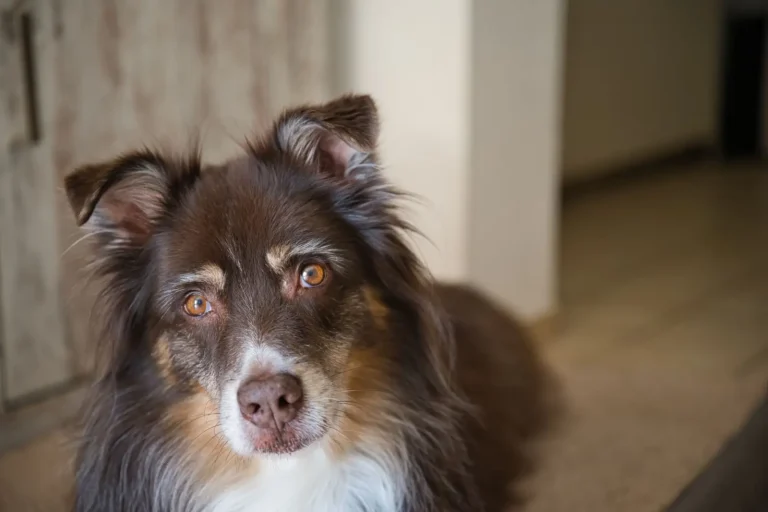

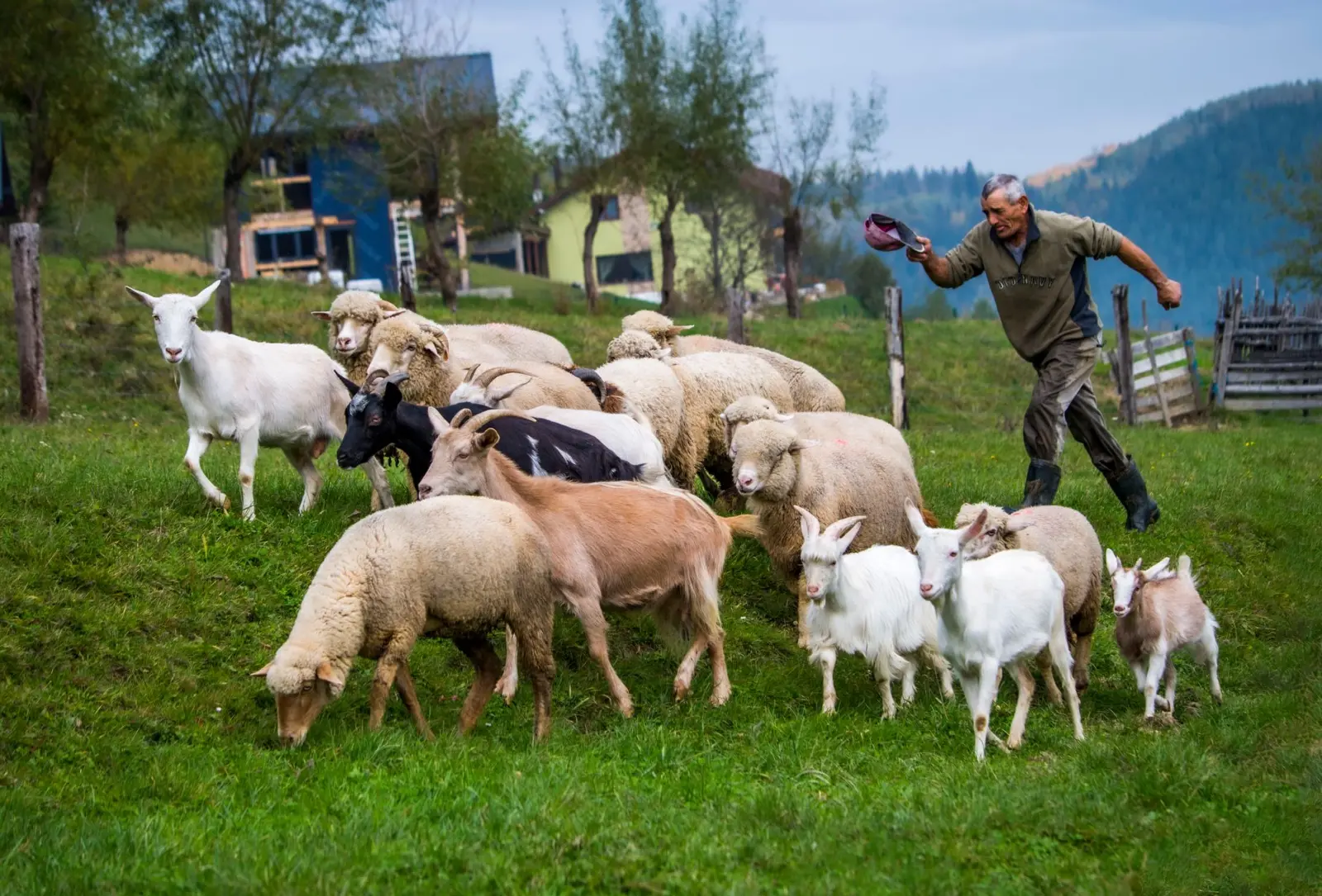
After years of working with Australian Shepherds, I’ve noticed that people often misunderstand what prey drive actually is in this breed. It’s not aggression, and it’s not something that appears only in certain lines. It’s a deeply embedded working instinct that shows up in predictable ways once you know what to look for. The breed was developed to herd livestock across open terrain, which means the dogs were selected for their ability to move stock through intense focus on motion and the willingness to pursue, circle, and control. That genetic foundation doesn’t disappear in a family pet.
What makes Australian Shepherds different from many other herding breeds is the intensity and consistency of their prey drive. It’s not situational or triggered only by specific prey animals. These dogs will chase squirrels, rabbits, birds, and anything else that moves with genuine purpose. I’ve seen them fixate on a leaf blowing across a yard with the same concentration they’d apply to herding sheep. The drive isn’t malicious; it’s simply how their brain is wired to engage with movement.
How Prey Drive Manifests in Daily Life
The most common expression of prey drive in a household setting is what people call “nipping” or “herding” behavior. An Australian Shepherd will chase children, other dogs, or cats and attempt to bite at their heels or flanks. This isn’t aggression in the traditional sense. The dog isn’t trying to hurt anyone. It’s the herding instinct expressing itself without an appropriate outlet. I’ve worked with dozens of Aussies that would gently but persistently nip at a child’s ankles during play, then look confused when corrected, because from the dog’s perspective, it was simply doing what it was bred to do.
The intensity varies between individual dogs. Some Australian Shepherds have a moderate prey drive that’s manageable with consistent redirection. Others have such a strong drive that they seem almost unable to stop themselves when movement catches their attention. I’ve seen dogs that would fixate on a cat moving through a room to the point where they couldn’t focus on commands or treats. This isn’t a training failure or a sign of a “bad” dog. It’s simply the upper end of what the breed is capable of expressing.
Prey drive also affects how these dogs interact with smaller animals in the home. A cat or rabbit isn’t necessarily in danger from an Australian Shepherd with high prey drive, but cohabitation requires management. The dog may stalk, chase, or corner the smaller animal repeatedly. Even a well-socialized Aussie can struggle with impulse control around prey animals, especially if the smaller animal runs or shows fear. The chase triggers the instinct further, creating a cycle that’s difficult to interrupt through training alone.
The Difference Between Prey Drive and Aggression
This distinction matters because I’ve seen owners panic unnecessarily or, conversely, underestimate a real problem. Prey drive is about the motivation to chase and control movement. Aggression is about the intent to harm or establish dominance. An Australian Shepherd with high prey drive might chase a cat relentlessly, but the goal is to move the cat, not to injure it. If the cat stands its ground or fights back, many Aussies will actually back off or redirect their attention elsewhere.
That said, prey drive can escalate into something more dangerous if the dog is frustrated, if the prey animal is injured or unable to escape, or if the dog has learned that chasing results in a reward. I’ve seen situations where an Aussie’s natural herding instinct combined with poor management led to actual injury of a smaller animal. The dog didn’t start out aggressive, but the repeated chase-and-catch cycle changed the behavior into something more predatory.
Environmental Triggers and Situational Intensity
Prey drive doesn’t stay constant. It fluctuates based on what’s happening in the dog’s environment and emotional state. An Australian Shepherd that’s calm and settled indoors might become intensely focused on movement the moment it steps outside. Squirrels, birds, and neighborhood cats become immediate focal points. I’ve noticed that dogs with lower overall prey drive still show significant increases in drive during high-energy play sessions or when they’re already aroused.
Boredom and insufficient exercise amplify prey drive noticeably. An Aussie that hasn’t had adequate mental or physical stimulation will often show heightened reactivity to movement. The drive seems to intensify as if the dog is actively searching for something to chase. This is why many owners report that their Australian Shepherd’s “chasing problem” gets worse in winter or during periods when outdoor activity is limited. It’s not that the dog has developed a new behavior. It’s that the existing drive has nowhere to go and builds up pressure.
Managing Prey Drive Without Fighting It
The most effective approach I’ve found is to acknowledge the drive and provide appropriate channels for it rather than trying to eliminate it entirely. Herding balls, flirt poles, and controlled chase games give the dog a legitimate outlet. An Australian Shepherd that gets to chase and “herd” something regularly tends to show less problematic chasing behavior elsewhere. It’s not that the drive is gone. It’s that it’s been satisfied.
Training matters, but it has limits. A solid recall and impulse control commands help, but they won’t override the drive in high-trigger situations. I’ve worked with Aussies that know “leave it” perfectly well indoors but still struggle when a rabbit bolts across the yard. The instinct is simply stronger than the learned behavior in that moment. This is why management – keeping the dog on a leash in areas where prey animals are present, securing the yard, and preventing access to situations that will trigger intense chasing – is often more practical than relying on training alone.
Socialization with other animals, especially early and consistent exposure, does help moderate prey drive. An Australian Shepherd raised around cats from puppyhood is far less likely to chase them intensely than one introduced to cats as an adult. The early exposure seems to create an exception in the dog’s mind. That said, even well-socialized Aussies can have moments where the drive overrides their familiarity with a particular animal, especially if that animal runs or behaves in an unusual way.
The reality with Australian Shepherds is that prey drive is part of the package. It’s not a flaw or a training issue that can be completely resolved. It’s a fundamental part of how the breed is constructed. Understanding this and building a life around it – rather than constantly fighting against it – makes living with these dogs significantly easier. The dogs that seem to have the “best” prey drive management are usually the ones whose owners have simply accepted the trait and planned accordingly.