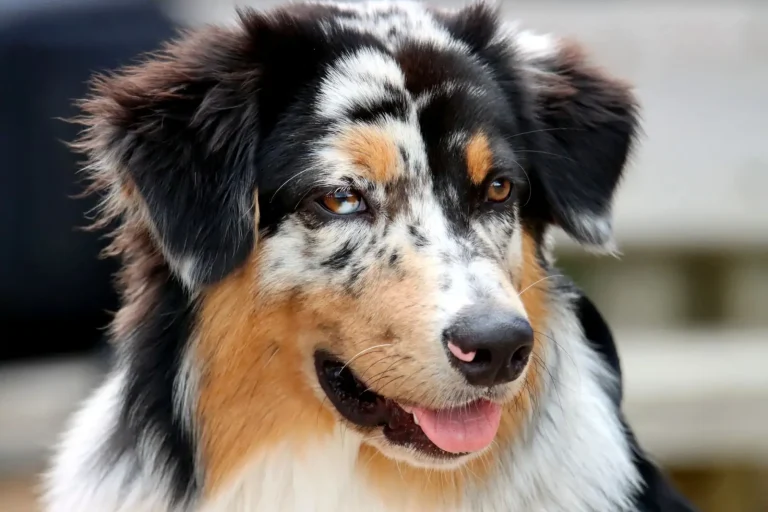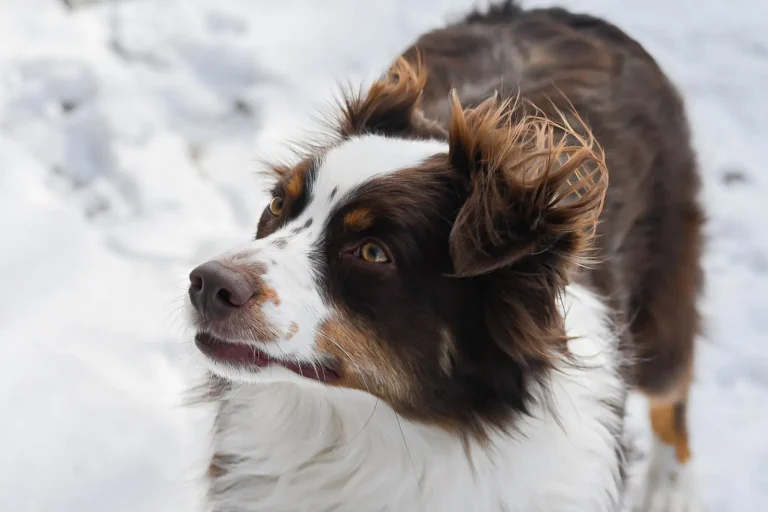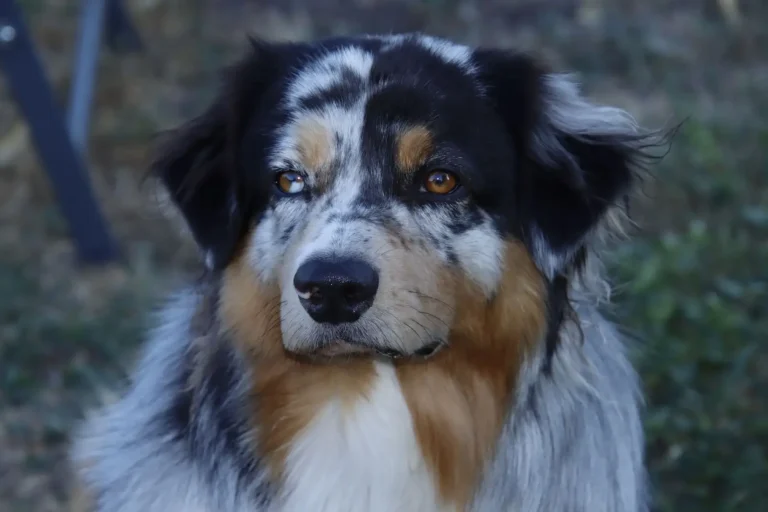

Australian Shepherds have a reputation for being low-maintenance when it comes to grooming, and there’s a kernel of truth in that – but it’s easily misunderstood. Over the years, I’ve seen owners either neglect their Aussie’s coat entirely or overthink the process, worrying about whether professional haircuts are necessary. The reality sits somewhere in between, and it depends largely on what you’re actually trying to accomplish.
The breed standard calls for a double coat that sheds considerably. This isn’t a flaw or something that can be engineered away with the right grooming routine. It’s built into the genetics. What matters is understanding that shedding and coat health are two different problems, and addressing one doesn’t automatically solve the other.
The Shedding Reality
Australian Shepherds shed year-round, with heavier cycles typically occurring twice annually during seasonal transitions. During these periods, you’re not dealing with a minor inconvenience – you’re dealing with substantial hair loss. I’ve worked with owners who thought a single grooming session would address this, then were surprised when their vacuum still filled up within days.
Regular brushing is the only realistic way to manage this. A slicker brush or undercoat rake used two to three times weekly during heavy shedding seasons, and at least once weekly during lighter months, makes a tangible difference. This isn’t optional if you want to keep hair off your furniture and reduce the matting that occurs when loose undercoat gets trapped against the skin. Many owners discover this the hard way after skipping brushing for a few weeks.
The purpose of this brushing isn’t aesthetic in the way a haircut might be. It’s functional. You’re removing dead hair before it falls out on its own, which also allows you to check the skin underneath for any issues – dryness, irritation, or parasites. I’ve caught early skin problems during routine brushing that might have gone unnoticed otherwise.
Do They Need Professional Haircuts?
Most Australian Shepherds do not need regular professional haircuts. The breed’s coat is designed to regulate temperature and protect the skin, and trimming it away removes those functions. I’ve seen dogs brought in for “summer cuts” by owners who thought it would help with heat management, only to find the dog was actually less comfortable without the full coat protecting against sun exposure.
That said, there are legitimate reasons to trim specific areas. Matting around the ears, rear end, or between the pads of the feet can become uncomfortable or create hygiene issues. Trimming these spots makes sense. Some owners also choose to trim the longer feathering on the legs and chest for practical reasons – a dog that spends time in muddy areas or water benefits from slightly shorter feathering that dries faster and collects less debris.
Sanitary trims around the genital and rear areas are common and practical, especially for dogs that spend time outdoors or in situations where cleanliness matters. This isn’t about appearance; it’s about reducing the surface area where fecal matter or urine can cling to the coat.
When Professional Grooming Becomes Necessary
Severe matting is the main scenario where professional intervention becomes necessary rather than optional. If an Aussie’s coat has been neglected for months or if the dog has gone through a period where brushing wasn’t possible, the undercoat can become so tangled that home brushing won’t untangle it. At that point, a groomer may need to work through it carefully or, in extreme cases, do a full shave-down to start fresh.
I’ve also seen cases where owners couldn’t maintain a brushing routine due to time, mobility, or other constraints. In those situations, a groomer who understands the breed can work with the owner on a maintenance schedule – perhaps a full hand-stripping or a careful trim every six to eight weeks – that keeps the coat manageable without compromising the dog’s comfort.
Hand-stripping, where dead coat is removed by hand rather than clipped, is the traditional grooming method for many double-coated breeds. It preserves the coat texture and allows new growth to come in properly. Not all groomers offer this service, and it’s more time-intensive than clipping, but it’s an option if you want professional help without altering the coat structure.
Coat Health Beyond Grooming
Brushing and trimming address the surface, but coat quality also reflects internal health. An Aussie with a dull, brittle coat or excessive shedding beyond the normal seasonal cycle might have nutritional deficiencies, skin allergies, or other underlying issues. Diet quality, especially adequate omega fatty acids, plays a role in how the coat looks and feels. I’ve noticed owners who switched to higher-quality food saw improvements in coat texture within a few weeks.
Skin conditions are also common in the breed, and they’re often masked or worsened by poor grooming practices. A dog with chronic itching or flaking needs more than just brushing – it needs veterinary attention. But regular brushing does help you spot these problems early rather than discovering them after the dog has scratched raw patches into the skin.
Bathing frequency is another variable. Many owners bathe their Aussie monthly or less frequently, which is appropriate for the breed. Over-bathing strips natural oils and can actually worsen skin and coat quality. When you do bathe, a good conditioner helps maintain coat health, especially if the dog spends time in chlorinated pools or saltwater.
Practical Grooming Expectations
If you own an Australian Shepherd and want to keep the coat in good condition without professional haircuts, expect to invest time in brushing. This is non-negotiable. A few minutes of daily brushing during shedding season or weekly maintenance during lighter months is standard. If that’s not feasible, either adjust your expectations about coat appearance and household hair, or plan for professional grooming support.
The breed’s coat does require attention, but that attention is mostly about prevention and maintenance rather than transformation. You’re not trying to make the dog look different; you’re trying to keep the coat the dog was born with functioning properly. That distinction matters because it changes how you approach the grooming process and what tools and techniques make sense.
Most Aussies will live their entire lives without a professional haircut and look perfectly fine. Their coat will be longer in some seasons, shorter in others due to shedding cycles, and it will shed hair regardless of what you do. That’s the breed. What consistent brushing does is keep the coat from becoming matted, reduce the amount of hair ending up on your floor, and allow you to monitor skin health. Those are practical benefits that make the grooming routine worthwhile.