

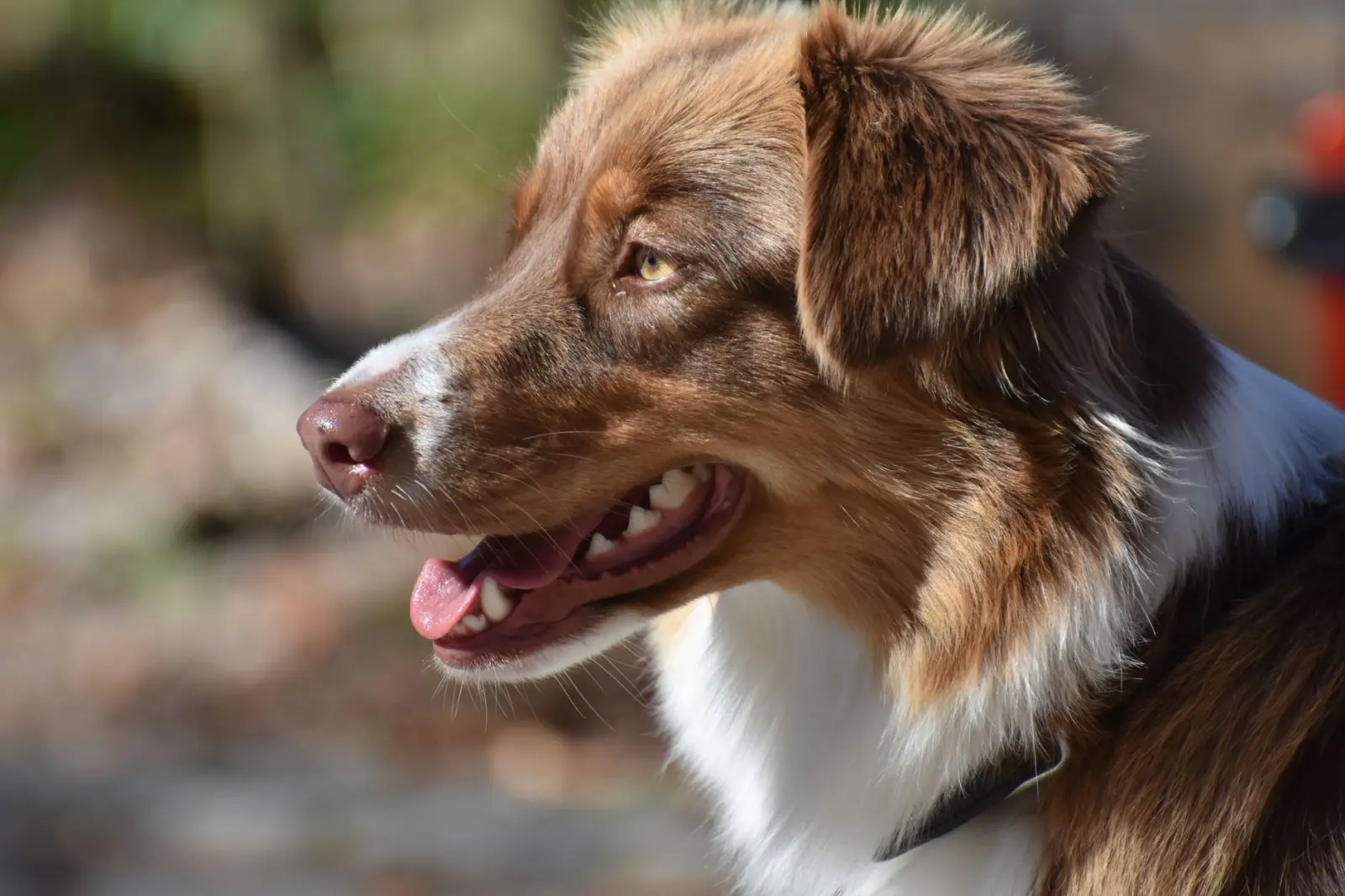
Australian Shepherds have a complicated relationship with water. I’ve worked with dozens of them over the years, and the variation is striking. Some take to swimming immediately and with genuine enthusiasm. Others treat water like a minor inconvenience they’d prefer to avoid. The breed’s herding instinct, athleticism, and intelligence all play into how they respond to being in water, but there’s no single predictable outcome. What matters is understanding what’s actually happening beneath the surface – both literally and behaviorally.
The first thing that becomes obvious when you spend time with these dogs around water is that their coat is both an asset and a complication. The double coat provides insulation and some water resistance, but it’s also dense enough that it takes a long time to dry thoroughly. When an Australian Shepherd comes out of water, they don’t shed water the way a Labrador does. Instead, the coat holds moisture close to the skin. This isn’t a disaster, but it does mean wet dogs will stay wet for hours unless you actively dry them, and damp coats can develop odor faster than you might expect. The coat also adds weight when saturated, which affects how they move and how much energy they expend in water.
What I’ve noticed most consistently is that Australian Shepherds approach water with their herding drive intact. If there are other dogs swimming, an Australian Shepherd often tries to control their movement – circling them, cutting off their paths, or positioning themselves in ways that make sense from a herding perspective but look chaotic in a swimming context. This isn’t aggression. It’s the breed doing what it was bred to do, just in an environment where that behavior is less useful. Young dogs especially can become so focused on “managing” other swimmers that they forget to actually swim themselves. They’ll exhaust themselves faster through mental effort than physical exertion.
Temperature and Stamina Considerations
Water temperature matters more than many people realize. Australian Shepherds bred for work in warm climates can handle cool water, but they’re not naturally built for prolonged exposure to cold. Their coat provides some protection, but it’s not the same as the undercoat density you see in breeds like Golden Retrievers. I’ve seen dogs get uncomfortable in water below 60 degrees Fahrenheit, though individual tolerance varies. Some will push through and keep swimming; others will become reluctant and want out quickly. Neither response is wrong – it’s just information about that particular dog’s comfort threshold.
The stamina question is interesting because Australian Shepherds are athletic and driven, but that doesn’t automatically translate to being good swimmers. Some are naturally strong in water. Others are adequate swimmers who tire faster than expected because they’re not efficient movers in that medium. Their legs are proportionally shorter relative to their body length compared to some other breeds, which affects their swimming mechanics. A dog that can run for miles on land might only manage 15 or 20 minutes of active swimming before fatigue sets in. This is normal and not a sign of poor fitness – it’s just how their body works in water.
Real-World Safety and Behavior Patterns
One pattern I’ve observed repeatedly: Australian Shepherds often overestimate their swimming ability or underestimate the difficulty of a particular body of water. They’re confident dogs, and that confidence doesn’t always match their actual capability. A dog that swims well in a calm pool might panic in moving water or struggle with waves. The current itself isn’t dangerous, but the dog’s reaction to unexpected movement can be. I’ve seen dogs that were fine in still water become genuinely distressed in a lake with any wave action. This isn’t about being a bad swimmer – it’s about the difference between controlled and uncontrolled environments.
Chlorine and salt water both require attention. Chlorine doesn’t harm them during swimming, but it can irritate skin and eyes, especially if the dog has any existing sensitivity. Salt water is harsher on the coat and can cause dryness and itching if the dog isn’t rinsed afterward. I’ve seen dogs develop hot spots weeks after repeated salt water exposure without proper rinsing. This isn’t inevitable, but it’s common enough that it’s worth planning for. A simple freshwater rinse after swimming prevents most of these issues.
The herding instinct shows up in unexpected ways around water. Some Australian Shepherds become anxious if they can’t see all family members at once. If you’re swimming and the dog loses sight of you underwater, they may panic or try to “rescue” you. This looks like the dog swimming frantically toward where you disappeared. It’s not a trained response – it’s the herding instinct manifesting as concern about losing track of their people. Managing this means keeping swimming sessions in shallow water where the dog can see you, or choosing a time and place where the dog can stay on shore if water activity makes them anxious.
Individual Variation and Age Factors
Puppies are often more willing to enter water than adult dogs, but they’re also less capable swimmers. A young Australian Shepherd might wade enthusiastically into a pond without understanding depth or current. This is where supervision becomes critical. I’ve seen puppies get into trouble quickly because they’re brave but not competent. By contrast, some adult dogs become more cautious with age and experience. They’ve learned what they don’t like and will actively avoid certain water situations.
Senior Australian Shepherds often lose interest in swimming altogether, partly due to joint discomfort and partly due to reduced tolerance for temperature change. Cold water can exacerbate arthritis, and the effort of getting in and out of water becomes more taxing. This isn’t something to push through. If an older dog shows reluctance, there’s usually a physical reason behind it.
The breed’s intelligence means they remember water experiences – both positive and negative. A dog that had a frightening experience in water may develop a lasting aversion. Conversely, a dog with positive early exposure tends to remain comfortable in water throughout life. This suggests that how you introduce a young Australian Shepherd to water matters more than you might initially think. Forcing a dog into water rarely helps; gradual, positive exposure works better and creates a foundation for future comfort.
After years of working with these dogs, I’ve learned that swimming with an Australian Shepherd is less about the breed’s inherent water ability and more about understanding the individual dog’s temperament, physical capabilities, and past experience. Some Australian Shepherds genuinely love water and seek it out. Others tolerate it as part of life with their person. A few actively dislike it. None of these responses is a reflection of the breed as a whole or a failure on the owner’s part. It’s simply how that particular dog is wired. Respecting that preference while managing safety around water is what matters in practice.