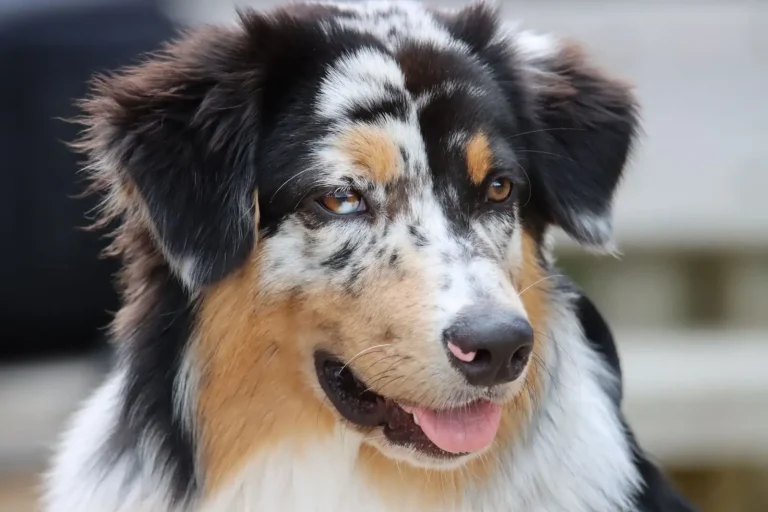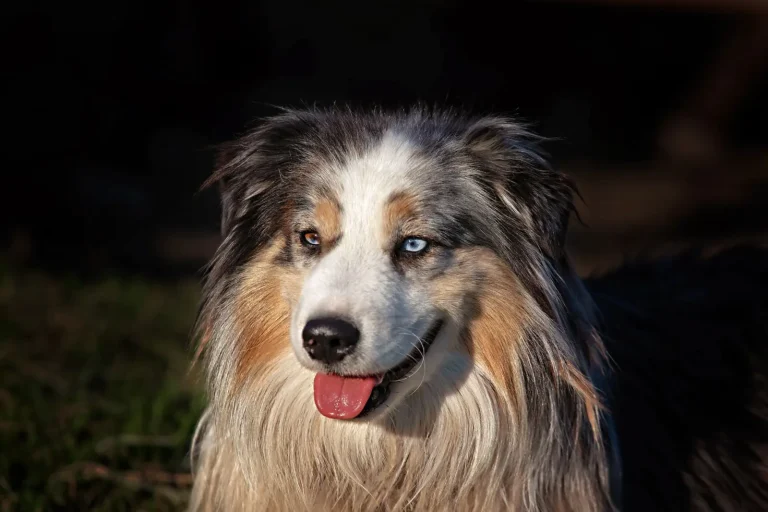

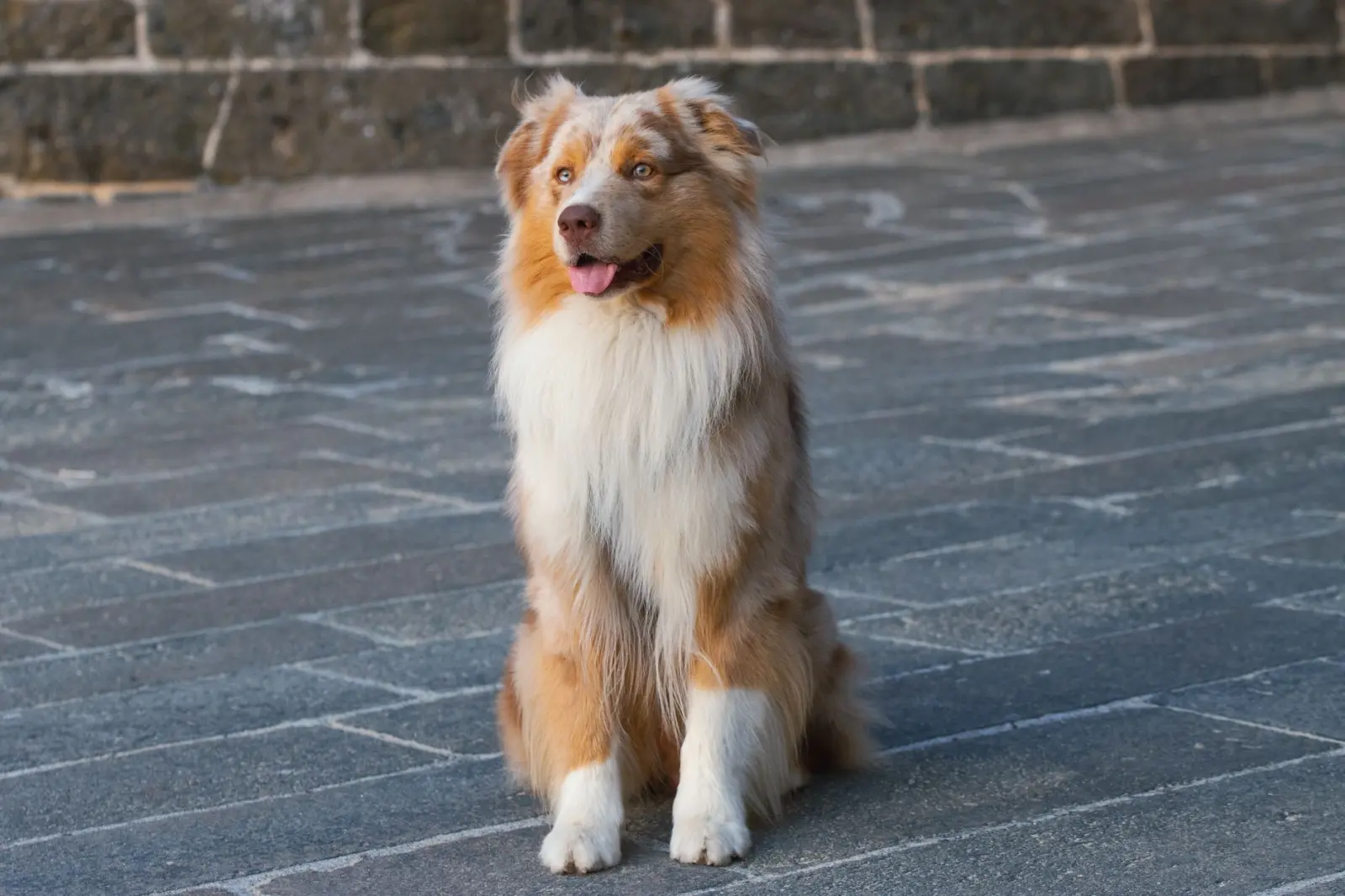
Australian Shepherds shed consistently throughout the year, but there’s a real difference between their baseline hair loss and what happens during their two major shedding seasons. After working with these dogs for years, I’ve noticed that owners often underestimate how much hair they’ll deal with, partly because the breed’s double coat doesn’t make it obvious until the shedding actually begins. The coat looks manageable until suddenly it isn’t, and by then many people are already overwhelmed by the volume.
The timing of heavy shedding typically falls in spring and fall, coinciding with temperature changes and daylight shifts. In spring, the dog is preparing to lose the dense undercoat that kept them warm through winter. In fall, they’re rebuilding that undercoat in preparation for colder months. These aren’t gentle transitions. During peak shedding weeks, you’ll find hair on furniture, clothes, and floors in quantities that seem impossible to have come from a single dog. It’s not an exaggeration to say that the volume can feel like you’re living with a constantly exploding pillow.
The Double Coat Mechanism
Australian Shepherds have a weather-resistant double coat made up of a dense undercoat and longer guard hairs on top. The undercoat does most of the insulating work, and it’s this layer that sheds most heavily during seasonal transitions. The guard hairs shed too, but they’re fewer in number and less noticeable. Understanding this distinction matters because it explains why brushing during shedding season can feel like you’re pulling out endless amounts of hair – you literally are, and that’s normal.
The undercoat serves a real purpose beyond just keeping the dog warm. It also helps regulate temperature during warm months by creating air pockets that keep heat away from the skin. When the seasons shift, the dog’s body essentially decides it no longer needs this layer and begins shedding it out. This process is driven by changes in photoperiod (the length of daylight) more than by actual temperature, which is why indoor dogs sometimes shed on a less predictable schedule than those who spend significant time outside.
Spring Shedding: The Heavy Blow
Spring shedding is typically the more dramatic of the two seasons. The dog is transitioning from a thick winter coat to a lighter summer coat, and the volume of undercoat being released can be staggering. I’ve seen owners genuinely surprised by how much hair comes out during this period, even when they thought they understood what to expect. It’s not unusual for a thorough brushing session to yield enough loose hair to fill a large garbage bag.
The duration varies. Some dogs go through an intense two to three week period where shedding peaks, while others have a more gradual six to eight week transition. Factors like indoor versus outdoor living, exposure to artificial lighting, and individual metabolism all play a role. A dog that spends most of their time indoors under consistent lighting may shed more gradually throughout the year rather than in sharp seasonal bursts. Conversely, a dog with outdoor access tends to follow a more pronounced seasonal pattern.
Fall Shedding and Winter Coat Growth
Fall shedding is usually slightly less dramatic than spring, but it’s still substantial. The dog is shedding their summer coat to make room for the denser winter undercoat. This process often starts earlier than owners expect – sometimes in late August or early September – and can continue into early winter. The timing depends heavily on geographic location and local daylight patterns. A dog in a northern climate will often start this cycle earlier than one in a warmer region.
During fall shedding, you might notice the coat looking a bit thin or patchy in spots before the new undercoat fully fills in. This is completely normal and not a sign of poor health or nutrition. The new coat grows in underneath the old one, and once the old coat fully sheds, you’ll see a noticeably thicker, fluffier appearance. This transformation usually takes four to six weeks.
Off-Season Shedding: The Baseline
Between the two major shedding seasons, Australian Shepherds still shed, just at a much lower rate. You’ll notice hair on furniture and floors, but it’s manageable with regular brushing and vacuuming. This baseline shedding is something to factor into your living situation if you’re considering the breed. Even during the quietest months, these dogs are not low-shedding animals. If you have severe allergies or a strong preference for minimal dog hair in your home, this breed may not be the right fit.
The off-season shedding rate varies based on diet, health, stress levels, and grooming practices. A dog on a high-quality diet with adequate omega fatty acids tends to have healthier skin and coat, which can actually reduce excessive shedding. Poor nutrition or dry skin conditions can increase shedding year-round. Similarly, a stressed or anxious dog sometimes sheds more than expected, so it’s worth considering the dog’s overall wellbeing if you notice shedding that seems heavier than normal for the season.
Managing the Reality
Regular brushing is the most practical approach to managing shedding. During peak seasons, brushing three to four times per week with a slicker brush or undercoat rake will remove loose hair before it ends up on your furniture. Many people find that dedicating time to brushing actually reduces the total amount of hair shed into the home, because you’re removing it in a controlled way rather than having it fall out gradually over everything.
Bathing during shedding season can actually accelerate the process, which some owners use to their advantage. A thorough bath followed by blow-drying and brushing can remove a significant amount of loose undercoat in one session. However, this isn’t necessary and shouldn’t be done more than once every four to six weeks, as excessive bathing can dry out the coat and skin. Some owners prefer to let the shedding happen naturally over time rather than forcing it all out at once.
Vacuuming and lint-rolling become routine tasks during peak shedding. There’s no way around this if you have an Australian Shepherd. The hair will be on your clothes, your furniture, and your floors. Accepting this as part of owning the breed makes it easier to manage psychologically. Some owners invest in furniture covers or designate certain areas of the home as “dog zones” to contain the hair somewhat, though this only helps so much.
Professional grooming during shedding season can be helpful, particularly if you’re not comfortable doing the brushing yourself or if you want to accelerate the shedding process. A groomer with experience in double-coated breeds knows how to use undercoat rakes and other tools effectively to remove loose hair without damaging the coat. However, professional grooming isn’t necessary for the dog’s health – it’s more about managing the hair in your home.
Spaying or neutering can affect shedding patterns slightly, as hormonal changes influence coat growth cycles. Some owners report that their dog’s shedding became more consistent or slightly heavier after these procedures, though the effect varies from dog to dog. This isn’t a reason to avoid spaying or neutering, but it’s worth being aware of as a potential change.
Australian Shepherds are beautiful, active dogs with coats that require acceptance of regular shedding. The seasonal cycles are predictable enough that you can prepare for them, but there’s no way to eliminate the hair loss entirely. Anyone considering the breed should go into it with realistic expectations about what living with a shedding double-coated dog actually involves.