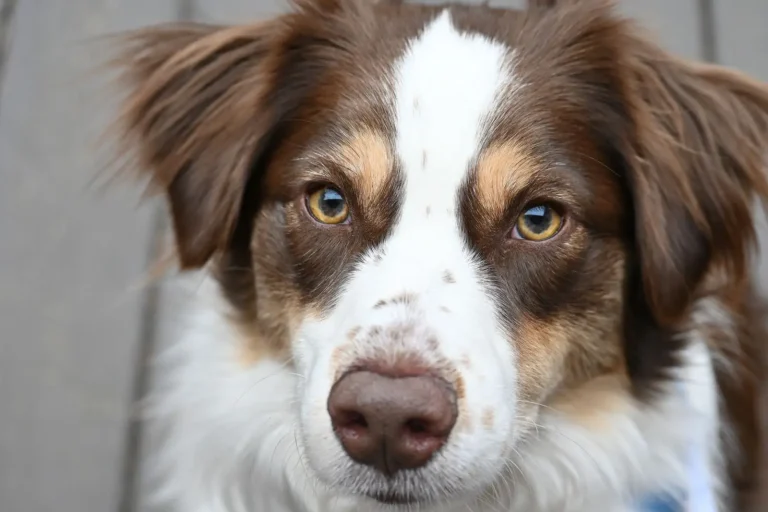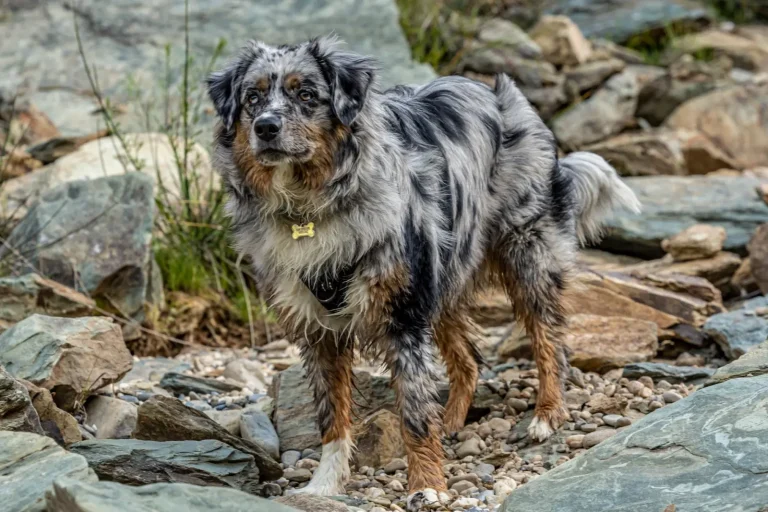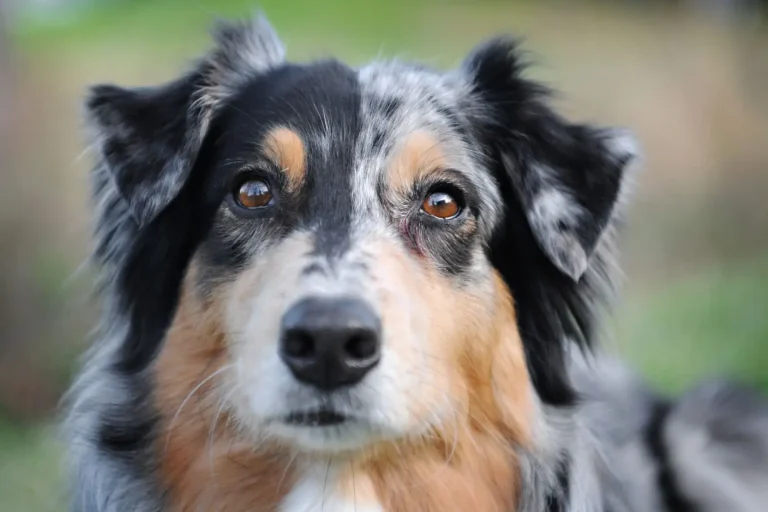

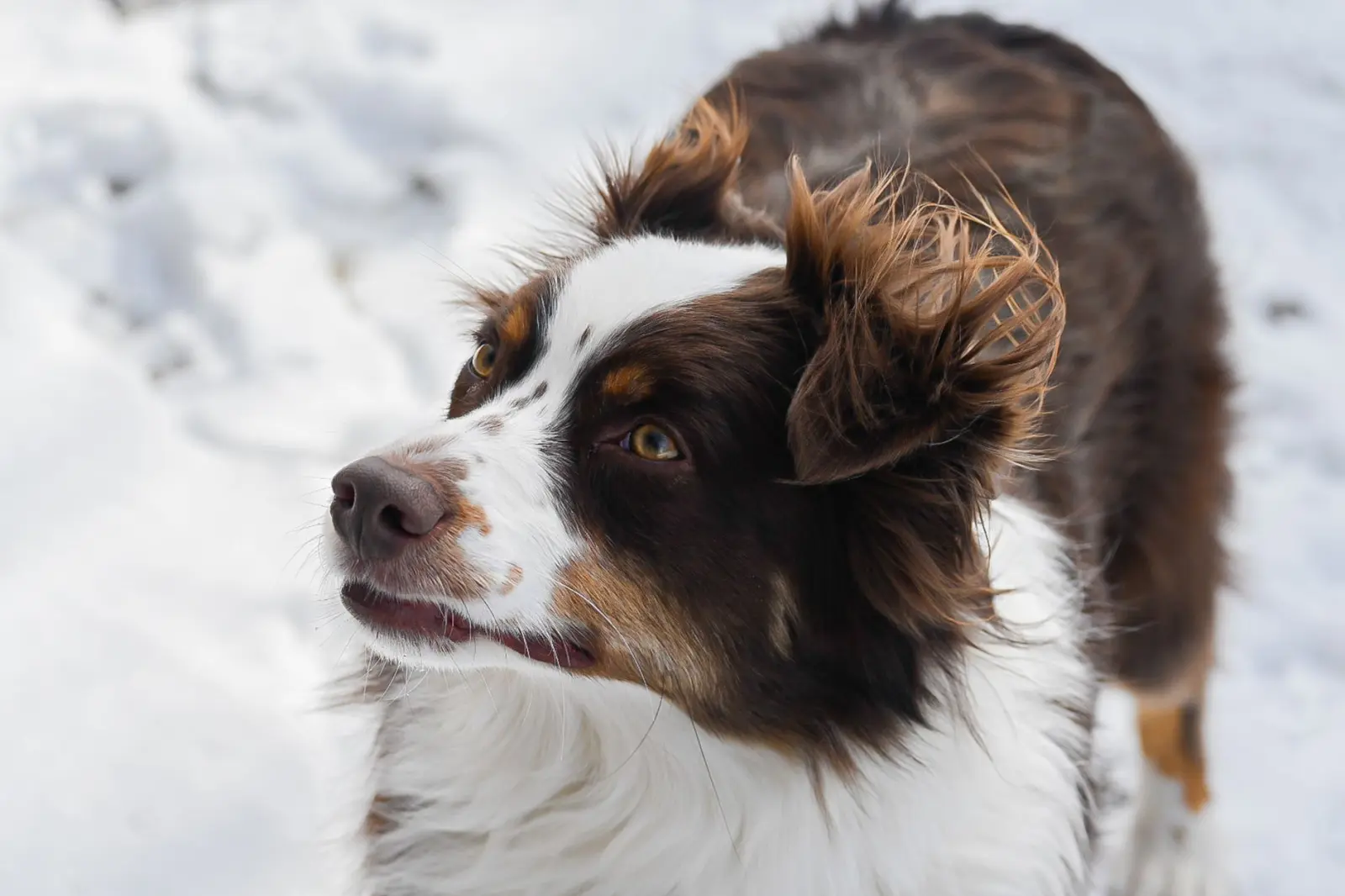
Australian Shepherds shed. A lot. This isn’t something you read about and then experience differently with your own dog – it’s a constant reality that shapes how you approach grooming. After years of working with these dogs, I’ve found that most people underestimate the scope of what regular brushing actually means for this breed. They think of brushing the way they might brush a Labrador or a mixed breed, and then they’re surprised when their living room looks like a textile factory exploded.
The foundation of understanding Australian Shepherd coat care starts with recognizing what you’re actually dealing with. These dogs have a double coat, which means two distinct layers working together. The outer layer, called the guard coat, is longer and more visible. Underneath sits the undercoat, which is dense, softer, and responsible for most of the shedding volume. During seasonal coat blows – typically spring and fall – the undercoat releases in quantities that seem almost impossible until you’ve experienced it firsthand. This isn’t something you can prevent. It’s something you manage.
The Right Tools Make a Measurable Difference
Picking up a slicker brush or a standard bristle brush and expecting it to work on an Australian Shepherd is like trying to rake leaves with a broom. The tool matters enormously because the coat structure demands it. A slicker brush is useful, but it’s really just the beginning. What actually moves the needle is an undercoat rake or a high-velocity dryer – and I say this not as marketing speak but as someone who has watched the difference these make in real time.
An undercoat rake has short, closely spaced teeth that penetrate the guard coat and grab the loose undercoat fibers. When you use one during a heavy shedding period, the amount of hair you remove in a single session is genuinely striking. A high-velocity dryer, which is an air-based tool that forces air through the coat at high speed, is even more effective. It literally blows out loose undercoat. If you’re serious about managing shedding, one of these tools isn’t optional – it’s the difference between staying on top of the situation and constantly fighting a losing battle.
Beyond those primary tools, a good metal comb helps you check for mats and tangles, particularly around the ears, armpits, and rear end where the coat is thicker and matting happens more easily. A deshedding tool like a FURminator can work, though I’ve seen it damage coat texture if used too aggressively. The slicker brush remains useful for general maintenance and for working through any remaining tangles after you’ve removed the bulk of loose undercoat.
Frequency and Seasonal Reality
How often you brush depends entirely on the time of year and what’s actually happening with the coat. During non-shedding months, a thorough brushing once or twice a week keeps things manageable. During coat blow season, this jumps to several times a week, sometimes daily if you’re trying to prevent hair from accumulating everywhere. This isn’t exaggeration – it’s the practical reality of the breed.
I’ve noticed that people often wait until the shedding is already out of control before they start brushing more frequently. By that point, you’re dealing with matted undercoat and a much harder job. Starting the increased brushing routine before you see excessive hair around the house is more effective than playing catch-up. Spring and fall are your signal to shift into higher-frequency grooming mode.
Technique and Coat Health
The actual brushing motion matters less than people think, but the direction and pressure matter quite a bit. Brushing with the grain of the coat is standard practice, but what really counts is working methodically through sections rather than random strokes across the entire dog. If you work in sections – starting at the neck, moving along the back, down the sides, and finishing the legs – you’re more likely to actually address the entire coat rather than just the outer layer.
Pressure is worth considering. You’re not trying to scrub the dog. You’re trying to work through the coat to the skin without irritating it. Too much pressure, especially with an undercoat rake, can actually damage the guard coat and cause discomfort. The goal is steady, deliberate strokes that let the tool do the work.
Bathing before brushing changes the game, particularly during shedding season. A bath loosens the undercoat, and brushing afterward is significantly more effective. Some people use a high-velocity dryer during or immediately after a bath, which essentially forces the loose coat out before it dries. This is efficient and reduces the amount of loose hair that ends up in your home over the following days.
When Brushing Reveals Other Issues
Brushing isn’t just about managing shedding. It’s also how you notice things that need attention. Mats that develop near the skin can trap moisture and create conditions for skin irritation or infection. Flaky skin, redness, or unusual odor during grooming sessions are signs that something beyond normal shedding is happening. Australian Shepherds can be prone to skin sensitivities, and regular brushing gives you the chance to catch problems early.
I’ve also seen dogs that resist brushing because they’ve had bad experiences – either rough handling or tools that pulled their coat. Once that happens, grooming becomes a struggle rather than routine maintenance. Gentle, consistent brushing from a young age prevents this. If your dog is already resistant, rebuilding trust takes patience, but it’s worth the effort because you’ll need to brush this dog regularly for its entire life.
The reality of living with an Australian Shepherd’s coat is that brushing isn’t optional maintenance you do occasionally. It’s part of the rhythm of owning the breed. The dogs themselves don’t mind it when it’s done correctly – many actually seem to enjoy the attention and the relief of having loose hair removed. Once you accept that this is part of the commitment and invest in the right tools, the process becomes straightforward. You’re not fighting the coat; you’re working with its natural cycles.