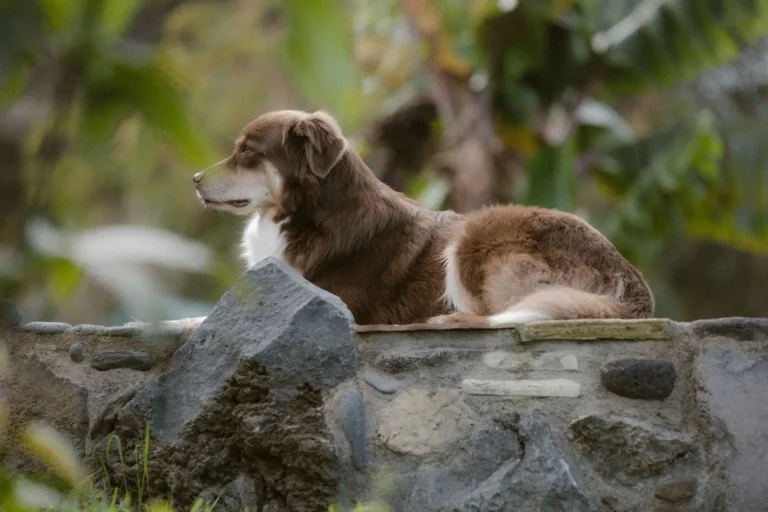

Australian Shepherds live with a particular kind of restlessness. After years of working with these dogs, I’ve noticed that their baseline arousal sits higher than many other breeds. They’re built to move, to scan, to respond. This isn’t a flaw in their temperament – it’s their inheritance. But it does mean that the spaces they inhabit matter more than most people realize. A calm space for an Australian Shepherd isn’t about creating a sterile, boring environment. It’s about designing one that acknowledges their need for stimulation while also giving their nervous system permission to settle.
The first thing I notice when walking into a home with a stressed Aussie is usually noise. Not just volume, but the type of noise. These dogs process sound differently than many breeds. Their herding ancestry means they’re tuned to detect movement and change in their environment. A television left on in the background, a radio, the constant ping of notifications – these aren’t just ambient to them. They’re signals that require attention. I’ve seen dogs who appeared anxious or destructive calm significantly once their owners reduced unpredictable auditory input. It’s not about silence, but about control. Knowing when sound happens, what it means, and that it doesn’t demand a response.
Light and Visual Predictability
Lighting affects arousal more than most people expect. Bright, fluctuating light – like sunlight moving across a room through windows, or the glow of screens – keeps a dog’s visual system engaged. Over time, this sustained low-level stimulation can prevent deep relaxation. I’ve found that dogs settle better in spaces where light is consistent and soft. This doesn’t mean dark rooms. It means north-facing windows, or spaces where direct sunlight is filtered. Blackout curtains aren’t just for sleeping hours; they’re useful during the day when you want to create a zone where visual stimulation is minimal.
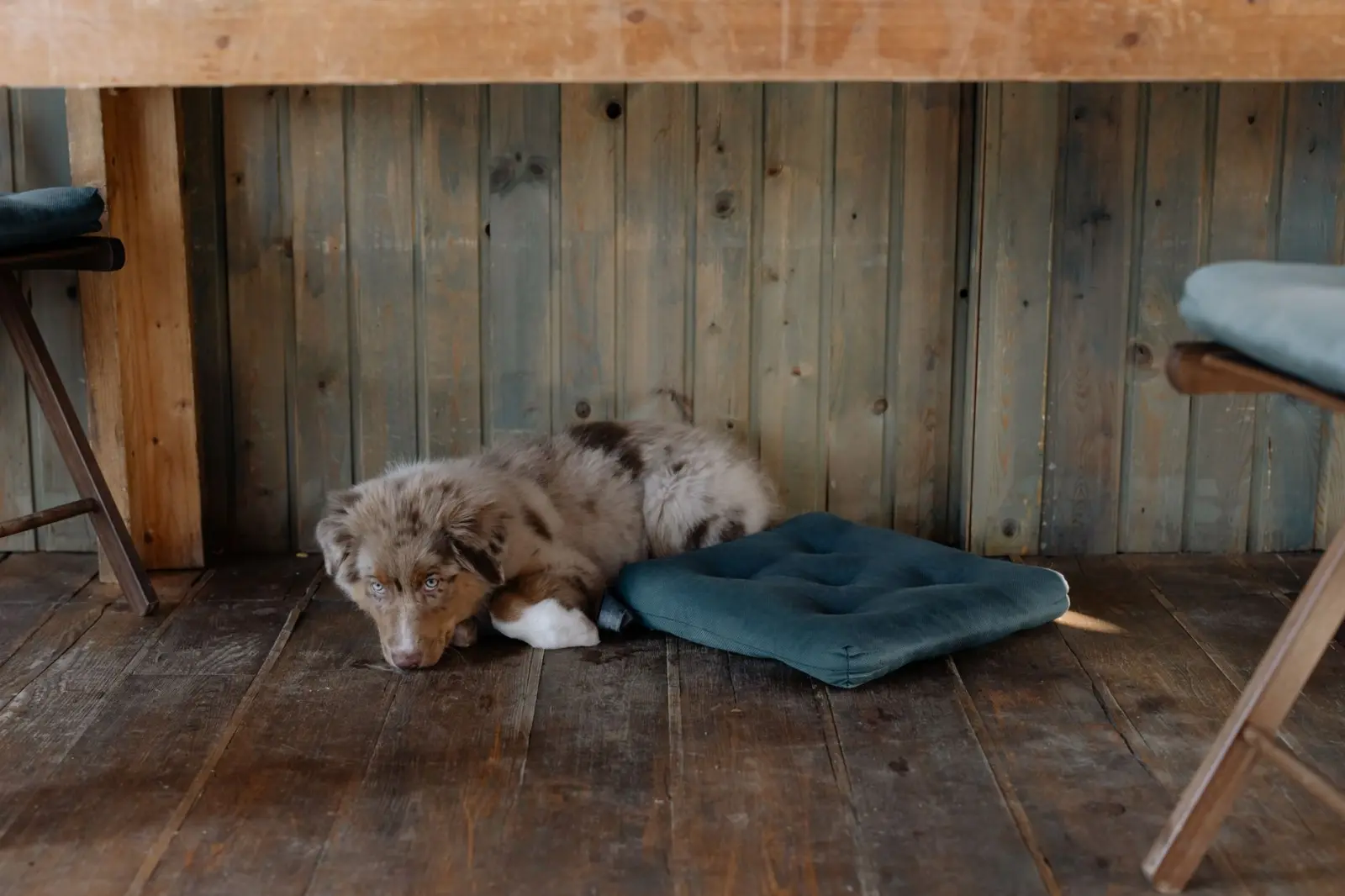
The layout of the space matters too. Australian Shepherds with anxiety often benefit from being able to see their surroundings without being in the center of activity. A corner spot, or a position that gives them a clear view of entry points, allows their brain to relax because they’re not surprised. They know what’s coming. I’ve noticed that dogs positioned in high-traffic areas of a home tend to remain in a state of mild alertness all day. By evening, this manifests as restlessness, pacing, or reactive behavior. Moving their resting area to a quieter corner, even just for certain hours of the day, can shift their entire demeanor.
Texture and Physical Comfort
The surface a dog rests on influences how deeply they can relax. A thin mat on a hard floor doesn’t invite settling the way a proper bed does. Australian Shepherds, despite their working background, appreciate cushioning. I’ve seen dogs who wouldn’t lie down for more than a few minutes on inadequate bedding become dogs who nap for an hour once given a proper orthopedic bed. The physical support matters, but so does the psychological signal: a designated bed says “this is a place where you can let your guard down.”
Temperature plays a role that’s often overlooked. These dogs have medium-length coats and moderate heat sensitivity. A space that’s too warm – especially one with poor air circulation – keeps them in a state of mild discomfort that prevents deep rest. I’ve worked with dogs whose owners thought they were hyperactive when the real issue was that their resting space was too hot. Moving the bed to a cooler area, or simply ensuring good airflow, changed their behavior noticeably.
Scent and Familiarity
Dogs rely on scent to understand their world. A space that smells consistent and familiar is inherently calmer than one where scents are constantly changing. This is why introducing a worn piece of your clothing to a dog’s bed, or using the same bedding for weeks without washing it, can actually support relaxation. The scent becomes a marker of safety. Conversely, spaces that smell of cleaning products, air fresheners, or frequent changes in their environment keep a dog’s olfactory system engaged and alert.
I’ve also noticed that Australian Shepherds benefit from having access to a scent that’s associated with calm. Some dogs respond well to their owner’s scent; others settle better with the scent of another calm dog they live with. It’s individual, but the principle is consistent: familiar scent reduces the need for vigilance.
Predictable Routine and Spatial Consistency
The calmest Australian Shepherds I’ve worked with live in homes where their physical environment is stable. This doesn’t mean nothing ever changes, but it means that the dog’s resting area, the location of resources, and the general flow of the space remain consistent. Dogs with high arousal tendencies find comfort in knowing where things are and what to expect. When furniture moves frequently, or when a dog’s bed location changes, it can actually increase anxiety because the familiar landmark is gone.
Time of day matters as well. I’ve noticed that dogs who have a designated quiet time – a period in the afternoon when the household is calm and they’re encouraged to rest in their space – develop a stronger capacity for relaxation overall. It’s as if their nervous system learns that there are windows when settling is not just allowed but expected. Over weeks, this pattern becomes self-reinforcing.
Creating a calm space for an Australian Shepherd is less about buying specific products and more about understanding how their particular nervous system works. These are dogs built to be responsive, to notice, to react. A calm space doesn’t fight that nature. Instead, it reduces the number of things that demand their attention, gives them clear information about their environment, and creates consistent conditions where their body can actually rest. The result isn’t a dog who’s less alert – it’s a dog whose alertness doesn’t consume their entire day.