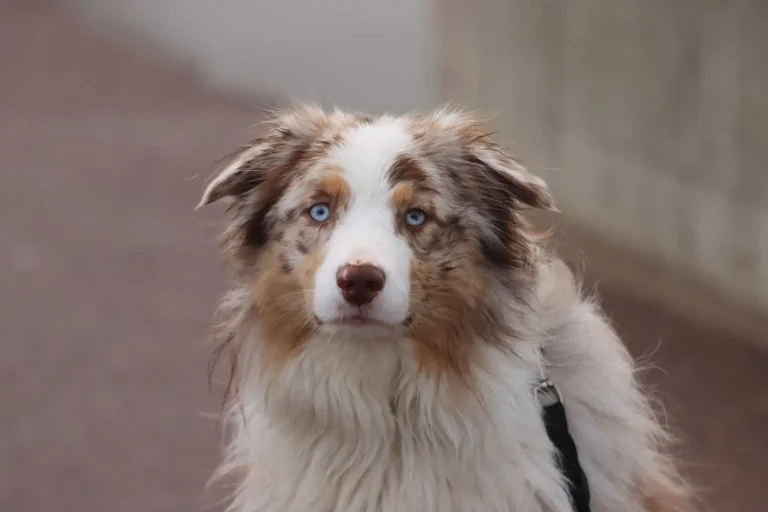

Australian Shepherds have a reputation for being low-maintenance dogs, but that reputation exists mostly because they don’t require professional grooming or elaborate styling. The coat itself, however, demands consistent attention – particularly during certain times of the year. After working with these dogs regularly, I’ve found that owners often underestimate how much hair actually moves through the shedding cycle and how quickly matting can develop if brushing falls off schedule.
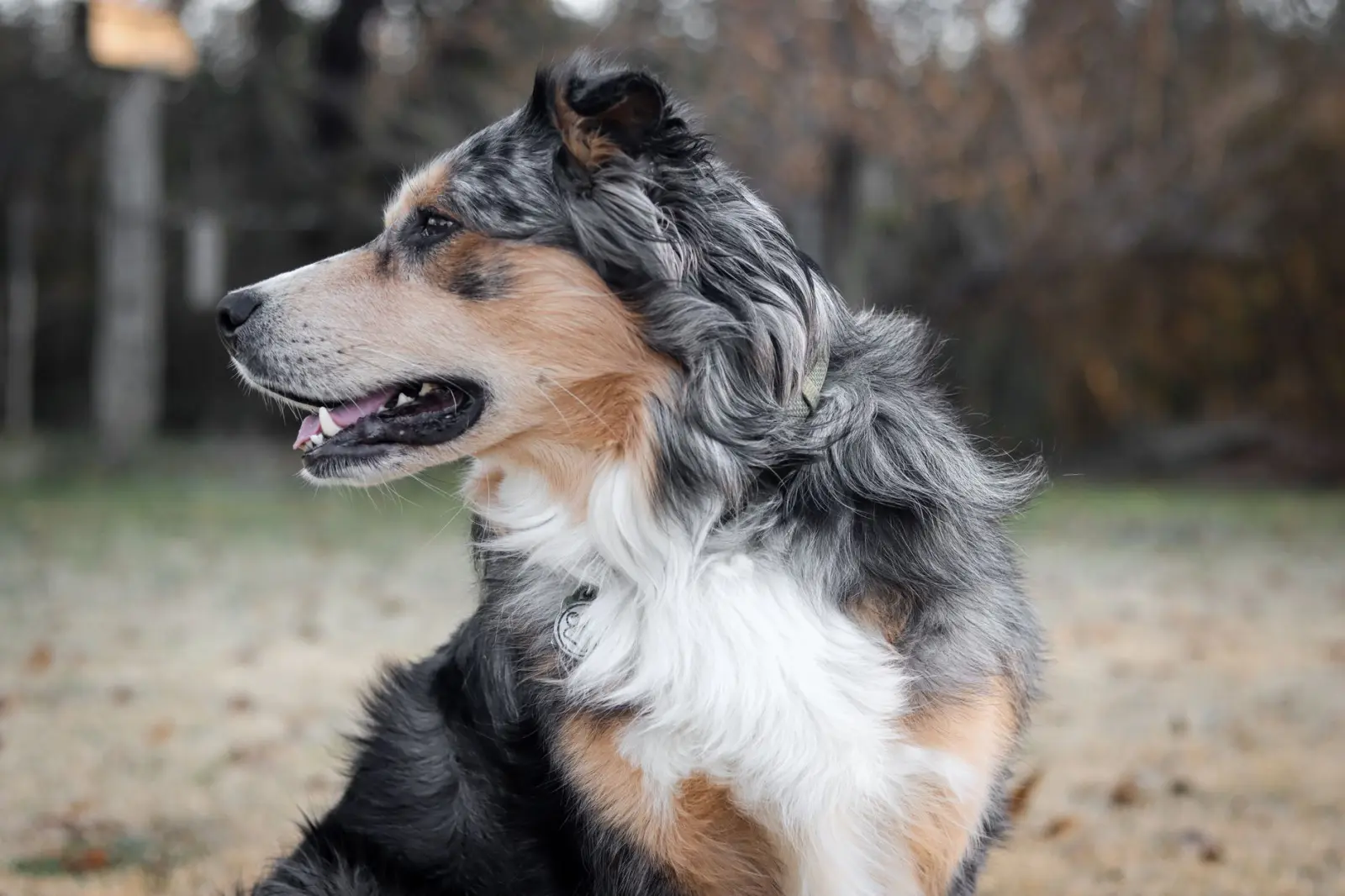
The Aussie coat is a double coat, which means there’s a dense undercoat beneath the longer guard hairs. This structure serves a purpose – it insulates the dog in various temperatures – but it also traps loose hair and moisture. When you brush an Australian Shepherd, you’re not just removing surface hair. You’re pulling out the undercoat that’s already detached and ready to shed. If you skip brushing for even a couple of weeks during heavy shedding season, that loose undercoat begins to mat against the skin, creating dense patches that are difficult to work through later.
The Seasonal Pattern
Australian Shepherds typically go through two major shedding cycles per year. The first usually starts in late winter or early spring, lasting anywhere from four to eight weeks depending on the individual dog and your climate. The second cycle often begins in late summer or early fall. During these periods, the undercoat loosens and sheds heavily. Outside these windows, shedding is minimal – you’ll notice some hair on furniture and clothing, but nothing dramatic.
What I’ve observed is that owners often miss the beginning of a shedding cycle. The first sign isn’t usually excessive hair on the floor. It’s a change in how the coat feels when you run your hand over it. The fur becomes slightly dull, and when you brush, you suddenly pull out much more hair than you did the week before. That’s your signal that the coat is transitioning. If you wait until hair is visibly covering your house, you’re already behind.
Brushing Frequency That Actually Works
Outside of shedding season, brushing an Australian Shepherd two to three times per week maintains the coat reasonably well. This isn’t a rigid rule – it depends on the individual dog’s coat density and your living situation. A dog that spends time outdoors will pick up debris that needs brushing out. A dog that stays mostly indoors might go slightly longer between sessions. The point is consistency. A dog brushed twice weekly year-round will have fewer problems than one brushed sporadically.
During shedding season, this frequency needs to increase. I typically move to daily brushing or every other day at minimum. Some owners find that daily brushing during peak shedding actually reduces the amount of hair ending up on furniture and clothes because you’re removing it before it sheds naturally. It also prevents the matting that happens when loose undercoat sits against the skin for days.
The tool matters. A slicker brush works for general maintenance, but during shedding season, an undercoat rake or deshedding tool is more effective. These tools are specifically designed to reach the undercoat without damaging the guard hairs. An undercoat rake pulls out the loose undercoat efficiently, whereas a slicker brush can take much longer to achieve the same result. Many owners I’ve worked with switched to an undercoat rake during shedding cycles and noticed an immediate difference in how much loose hair they could remove in a single session.
Bathing and Drying
Bathing an Australian Shepherd is straightforward in terms of frequency – once every four to six weeks is typical, or less often if the dog doesn’t get particularly dirty. The timing of baths during shedding season is worth considering, though. A bath followed by thorough drying can actually help loosen the undercoat and make subsequent brushing more effective. The warm water and the action of drying can help separate loose hairs from the skin, making them easier to brush out afterward.
The drying process itself is important. Air drying alone leaves moisture in the undercoat, which can trap loose hair and create conditions for matting. Using a high-velocity dryer or even a regular hair dryer on a lower setting helps dry the undercoat more thoroughly. I’ve seen cases where owners bathed their dogs regularly but didn’t dry them properly, and those dogs developed matting despite regular brushing. The moisture trapped in the undercoat accelerates the matting process.
Practical Timing and Reality
In practice, most owners find that establishing a grooming routine works better than trying to follow a strict schedule. If you brush your dog while watching television a few times per week, that becomes habit. If you try to set aside a specific day and time, life often interferes, and the routine falls apart. The dogs that tend to have the healthiest coats are those whose owners have integrated grooming into their regular interaction with the dog, not those who treat it as a separate task.
Matting is the main issue I see develop when grooming falls off schedule. Once matting starts, it’s much harder to address. Small mats can be worked out with patience and the right tools, but large matted areas often require professional grooming or, in severe cases, clipping. The prevention approach – consistent brushing – is far easier than trying to fix problems after they develop.
Australian Shepherds are generally healthy, hardy dogs, and their coats don’t require the level of professional grooming that some breeds need. But the coat does require regular maintenance. The amount of work involved isn’t overwhelming, but it does need to be consistent. Owners who understand the shedding cycle and adjust their brushing frequency accordingly tend to have dogs with healthier coats and fewer grooming-related issues overall.