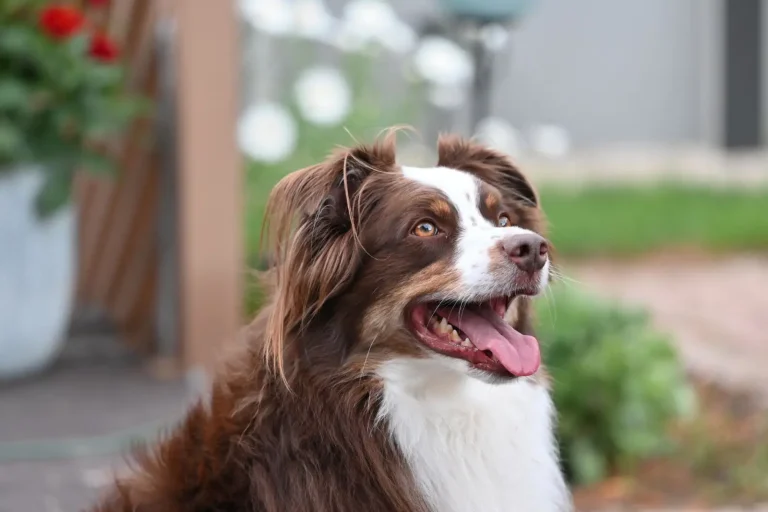

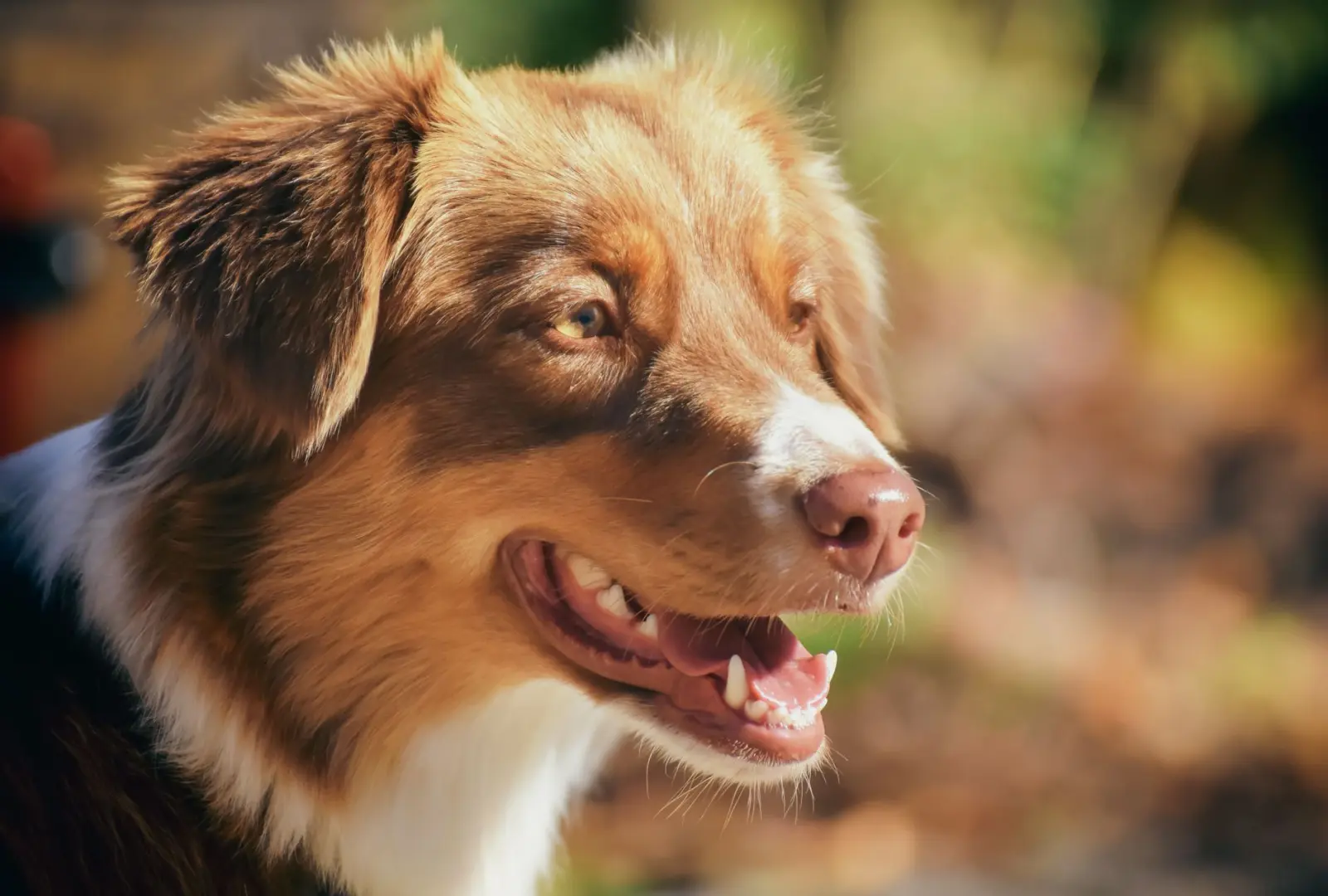
Australian Shepherds were bred for work in temperate mountain regions of the American West, not the Australian outback – a detail that matters more than most people realize when these dogs end up living in genuinely hot climates. I’ve worked with dozens of Aussie owners in warm regions over the years, and the pattern is always the same: initial surprise at how much the heat affects the dog, followed by a period of adjustment as owners learn what their dog actually needs versus what they assumed would work.
The breed’s double coat is often blamed as the primary problem, and while coat density does play a role, it’s not the whole story. What actually causes trouble is the combination of that coat, the dog’s inherent work drive, and the owner’s expectations about activity level. An Australian Shepherd in a hot climate doesn’t simply need a shorter walk or more water. The entire daily rhythm has to shift.
How the Double Coat Functions in Heat
The Australian Shepherd’s double coat – a dense undercoat beneath longer guard hairs – evolved to insulate against cold mountain mornings and cool evenings. In moderate climates, this coat actually provides some protection from sun exposure. In sustained heat, however, the undercoat becomes a liability. It traps warm air against the skin and prevents efficient evaporative cooling. The dog’s body struggles to dissipate heat effectively, even when the coat looks clean and well-maintained.
Shaving the coat seems logical, and I’ve seen owners do it with genuine relief, watching their dog move more freely in the weeks after. But shaving creates its own problems. A shaved Australian Shepherd loses the sun protection that guard hairs provide, becomes prone to sunburn, and the regrowth pattern can be unpredictable – sometimes the undercoat comes back denser than before. Most vets and experienced breeders recommend against full shaves for this breed, even in heat. A thorough undercoat rake or deshed treatment during spring and early summer removes loose undercoat without compromising the coat’s structure. It’s more labor-intensive than a shave, but it actually works with the dog’s physiology rather than against it.
Activity and Heat Tolerance
Australian Shepherds are working dogs with genuine stamina and drive. They were designed to move cattle across rough terrain for hours. This genetic predisposition to work doesn’t switch off when the temperature rises. I’ve watched owners with Aussies in hot climates make the mistake of assuming their dog will self-regulate and rest when it gets too warm. Some dogs do. Many don’t. They’ll keep working, keep playing, keep following their owner around the yard until heat stress becomes a real risk.
The critical window in hot climates is early morning and late evening. During these cooler hours, an Australian Shepherd can exercise meaningfully without overheating. Midday activity needs to be minimal – short bathroom breaks, brief walks in shade if necessary, but nothing that elevates heart rate significantly. Owners who are accustomed to exercising their dog in the afternoon, or who rely on a dog park visit mid-day, need to restructure their entire routine. This isn’t a minor adjustment. It’s a fundamental change to how the dog spends its day.
Mental stimulation becomes more important in hot climates because physical exercise has to be rationed. Puzzle toys, training sessions in air-conditioned spaces, and nose-work games keep the dog engaged without generating the heat load that running or fetch creates. An Australian Shepherd with insufficient mental outlet will become destructive or anxious, regardless of how much physical rest it gets.
Hydration and Heat Illness
Water access is obvious, but the specifics matter. A dog with constant access to water can still become dehydrated if the water is warm or if the dog isn’t drinking enough in the heat. Providing fresh, cool water multiple times throughout the day is standard. What’s often overlooked is that Australian Shepherds don’t always drink enough voluntarily in heat. Some dogs seem indifferent to water until they’re already stressed. Offering water frequently – after any activity, before rest periods, and throughout the day – helps maintain hydration without relying on the dog’s thirst drive alone.
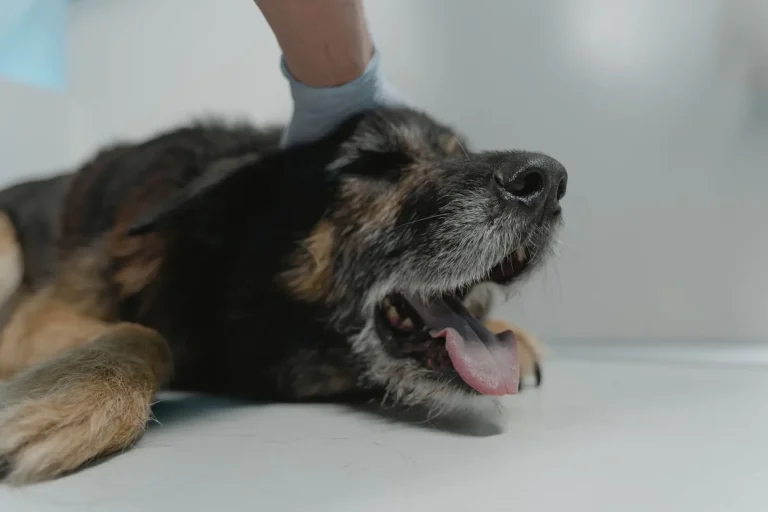
Heat illness in dogs progresses quickly. Early signs include excessive panting, drooling, and lethargy. Some owners mistake this for normal heat response and don’t intervene until the dog is in genuine distress. I’ve seen dogs reach dangerous core temperatures in less time than most people expect. If an Australian Shepherd is panting heavily at rest, has thick, ropy saliva, or seems disoriented, that’s a veterinary emergency. The dog needs to cool down immediately – cool water, shade, and professional assessment. Waiting to see if the dog improves on its own is a common and dangerous mistake.
Housing and Environment
Australian Shepherds in hot climates need reliable access to cool spaces. An outdoor dog in a hot region faces genuine welfare concerns. Air conditioning or at minimum a well-ventilated, shaded shelter is necessary. The shelter needs to be positioned to catch shade throughout the day, not just in morning or evening. A dog house that’s in full sun by noon becomes an oven, regardless of its design.
Some owners use cooling mats or provide access to tile floors, which helps. Kiddie pools work well for some dogs, though not all Australian Shepherds are water-oriented, and a pool left in the sun becomes warm quickly. The most reliable cooling is shade combined with air movement – a fan in a shaded area, or better yet, an air-conditioned room the dog can access freely.
Humidity compounds the problem significantly. In hot, humid climates, the dog’s ability to cool through panting becomes less effective because the air is already saturated with moisture. A dog in 95 degrees with 30% humidity has an easier time than one in 85 degrees with 80% humidity. This is why Australian Shepherds in coastal or subtropical regions often struggle more than those in dry heat, even at lower temperatures.
Realistic Expectations
An Australian Shepherd in a genuinely hot climate will never be the high-energy, constantly-active dog that the breed is known for in cooler regions. This isn’t a failure of the dog or the owner. It’s a biological reality. The dog’s drive and intelligence remain intact, but the physical capacity for sustained activity is reduced. Owners who move to hot climates with an Aussie, or who adopt one there, need to accept this shift early. The dog will spend more time resting, will be less interested in extended outdoor time, and will need more structured, time-limited activities.
This doesn’t mean the dog is unhappy or unfulfilled. An Australian Shepherd that’s mentally stimulated, kept cool, exercised appropriately for its climate, and given meaningful work – even if that work is puzzle-solving indoors or training in air conditioning – can thrive. But it requires intentional management and realistic expectations about what the breed can do in heat.
Over years of working with these dogs in various climates, the owners who succeed are those who stop fighting the heat and instead build their dog’s life around it. They exercise early, keep the dog cool, provide mental challenges, and accept that their Australian Shepherd won’t be the tireless working dog of breed mythology. The dog remains an Australian Shepherd – intelligent, loyal, and capable – but adapted to its actual environment rather than the one the breed was designed for.