
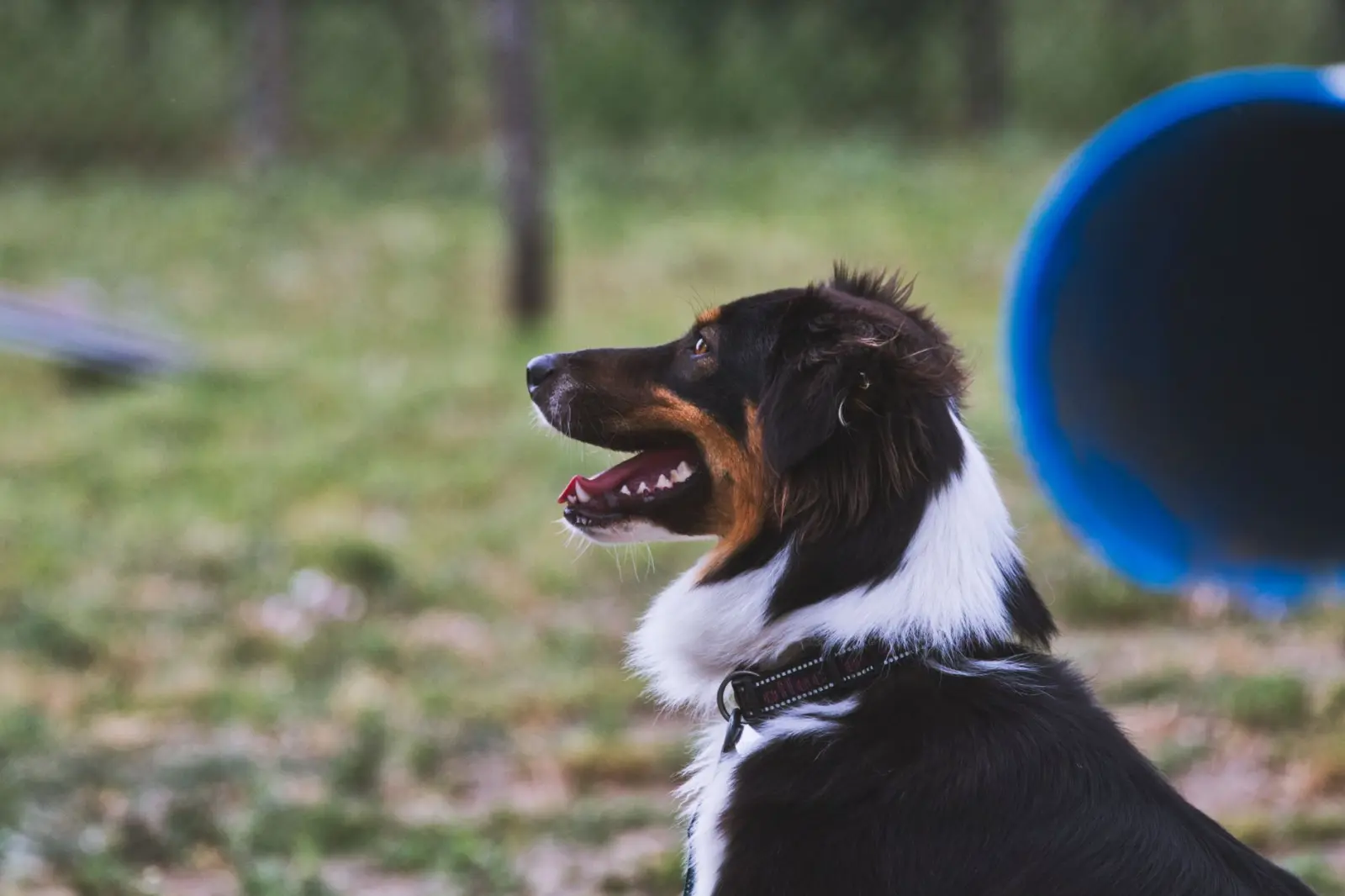
Working with Australian Shepherds for breeding purposes requires understanding which health conditions show up in the breed and which screening methods actually catch them before they become problems. Over years of involvement in breeding circles and veterinary collaboration, I’ve seen the difference between breeders who test thoroughly and those who skip steps – and the gap in outcomes is significant. The tests that matter aren’t always the ones that seem most obvious, and knowing which ones to prioritize shapes the entire direction of a breeding program.
Australian Shepherds carry a handful of genetic and developmental issues that appear with enough frequency to warrant screening. Hip dysplasia remains the most common orthopedic concern, though elbow dysplasia occurs as well. Eye conditions like collie eye anomaly and progressive retinal atrophy show up in the breed. There’s also the matter of the MDR1 gene mutation, which affects drug sensitivity in some lines. Beyond these, certain breeders also screen for degenerative myelopathy and other conditions depending on their lines’ history. The key is knowing which tests your particular breeding stock actually needs based on pedigree, prior results, and what has appeared in your line over generations.
Hip and Elbow Evaluation
Hip dysplasia screening typically happens through radiographic evaluation submitted to either the Orthopedic Foundation for Animals (OFA) or PennHIP. Both methods work, though they approach the problem differently. OFA uses a standardized radiographic view and assigns grades from excellent down to severe. PennHIP uses distraction views to measure hip laxity directly. In practice, I’ve found that breeders often use OFA because it’s more familiar and the results are straightforward to interpret, but PennHIP can sometimes catch borderline cases earlier because it’s measuring the actual mechanical looseness rather than just looking at joint shape.
The real-world experience with hip screening is that you need a good radiographer and a calm dog. A dog that’s tense or positioned poorly can produce images that look worse than the actual joint condition. I’ve seen borderline hips get better scores on a second submission simply because the positioning was cleaner. This doesn’t mean the test is unreliable – it means the quality of the radiograph matters enormously. Many breeders work with the same veterinary clinic repeatedly specifically because they know how that clinic positions dogs and can trust the consistency.
Elbow dysplasia screening follows similar pathways through OFA or PennHIP, though it’s less commonly done than hip screening in Australian Shepherds. That said, if you have a line with elbow involvement in the pedigree, it’s worth including. Elbows are often overlooked because hip dysplasia gets more attention, but a dog with elbow problems can be just as limited in function.
Eye Screening and Genetic Vision Tests
The Canine Eye Registration Foundation (CERF) examination is the standard eye screening that most responsible breeders perform annually. A board-certified veterinary ophthalmologist looks for cataracts, retinal issues, and structural problems. For Australian Shepherds specifically, collie eye anomaly is the condition most breeders screen for because it appears in the breed with notable frequency. CEA ranges from minor to severe, and a CERF exam will catch it.
Progressive retinal atrophy (PRA) is another concern in some lines. There’s a genetic test available for PRA-prcd, which is the form that appears in Australian Shepherds. This is a DNA test, not an eye exam – you submit a cheek swab or blood sample and get back a result showing whether the dog is clear, a carrier, or affected. The advantage of genetic testing is that you know the status before any clinical signs appear. A dog can be genetically affected but not show symptoms for years, so the test catches the issue early in a breeding decision.
I’ve worked with breeders who do both CERF exams and genetic PRA testing, which provides the most complete picture. The genetic test tells you about that specific mutation; the CERF exam catches other eye problems that might be present. They’re complementary rather than redundant.
MDR1 Gene Mutation and Drug Sensitivity
The MDR1 gene mutation creates sensitivity to certain medications, most notably ivermectin and some other antiparasitics. Dogs with the mutation can have severe adverse reactions to drugs that are otherwise safe. A simple DNA test identifies whether a dog carries one or two copies of the mutation. This test became more relevant in Australian Shepherds after it was identified in some lines, though it’s not universally present across the breed.
From a breeding standpoint, knowing MDR1 status is practical information. It doesn’t necessarily disqualify a dog from breeding, but it means you’re aware of a management consideration that owners need to know about. I’ve seen breeders who test for it and include the information in their puppy contracts, which is responsible practice. It’s also information that helps owners avoid medications that could harm their dog.
Degenerative Myelopathy and Other Genetic Tests
Degenerative myelopathy (DM) is a progressive spinal cord disease that appears in some dog breeds. There’s a genetic test available, and some breeders include it in their screening panel. In Australian Shepherds, DM isn’t as prevalent as in some other breeds, but certain lines have shown the condition. Whether you test for it depends on your pedigree and whether you’ve seen it in your line’s history.
Other tests exist for various conditions – von Willebrand’s disease, for instance – but not all of them are equally relevant to Australian Shepherds. The approach that makes sense is to research what conditions have appeared in your particular lines and test accordingly. A breeder who tests for everything without reason is spending money inefficiently. A breeder who tests only for what’s already known to be a problem in their lines is being strategic.
Building a Testing Protocol That Works
The practical reality of health testing is that you need a baseline understanding of what’s in your pedigree. If you’re starting a breeding program, looking back at what health issues appeared in the parents, grandparents, and further back tells you where to focus. If hip dysplasia runs in a line, you screen hips. If eye problems show up, you do CERF exams and consider genetic testing. If you don’t know the history, testing broadly makes sense until you have that information.
Many breeders work with a veterinarian who understands their program and helps them decide which tests make sense for their specific dogs. This is more effective than following a generic checklist. A vet who knows your line can say, “Your last three generations had clear hips, so you can probably focus elsewhere,” or conversely, “That pedigree has eye issues, so let’s be thorough there.”
The cost of testing is real, but it’s a fraction of what you’ll spend raising puppies properly. A dog that shouldn’t have been bred due to unscreened health issues creates liability, heartache for puppy buyers, and potential damage to your reputation. Breeders who skip testing to save a few hundred dollars often end up with far greater costs down the line when problems emerge.
What I’ve observed consistently is that breeders who take testing seriously tend to have healthier litters and more satisfied puppy owners. The testing itself isn’t the entire answer – breeding decisions, genetic diversity, and responsible placement matter too – but it’s the foundation that allows you to make informed choices about which dogs should reproduce.