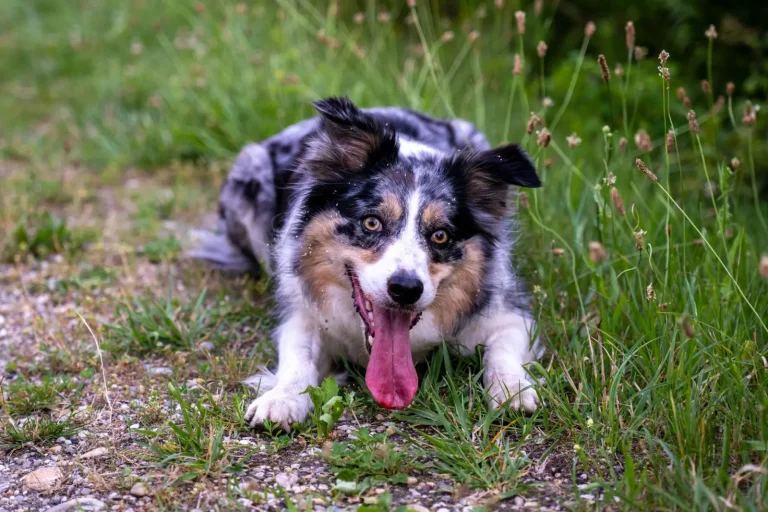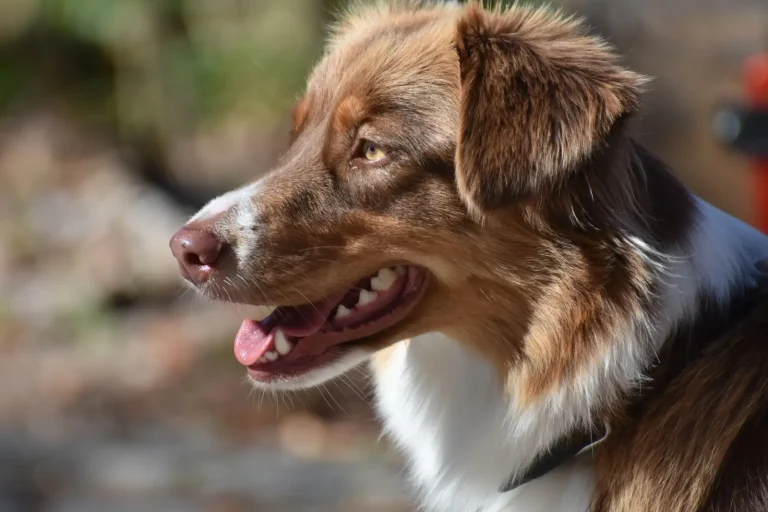

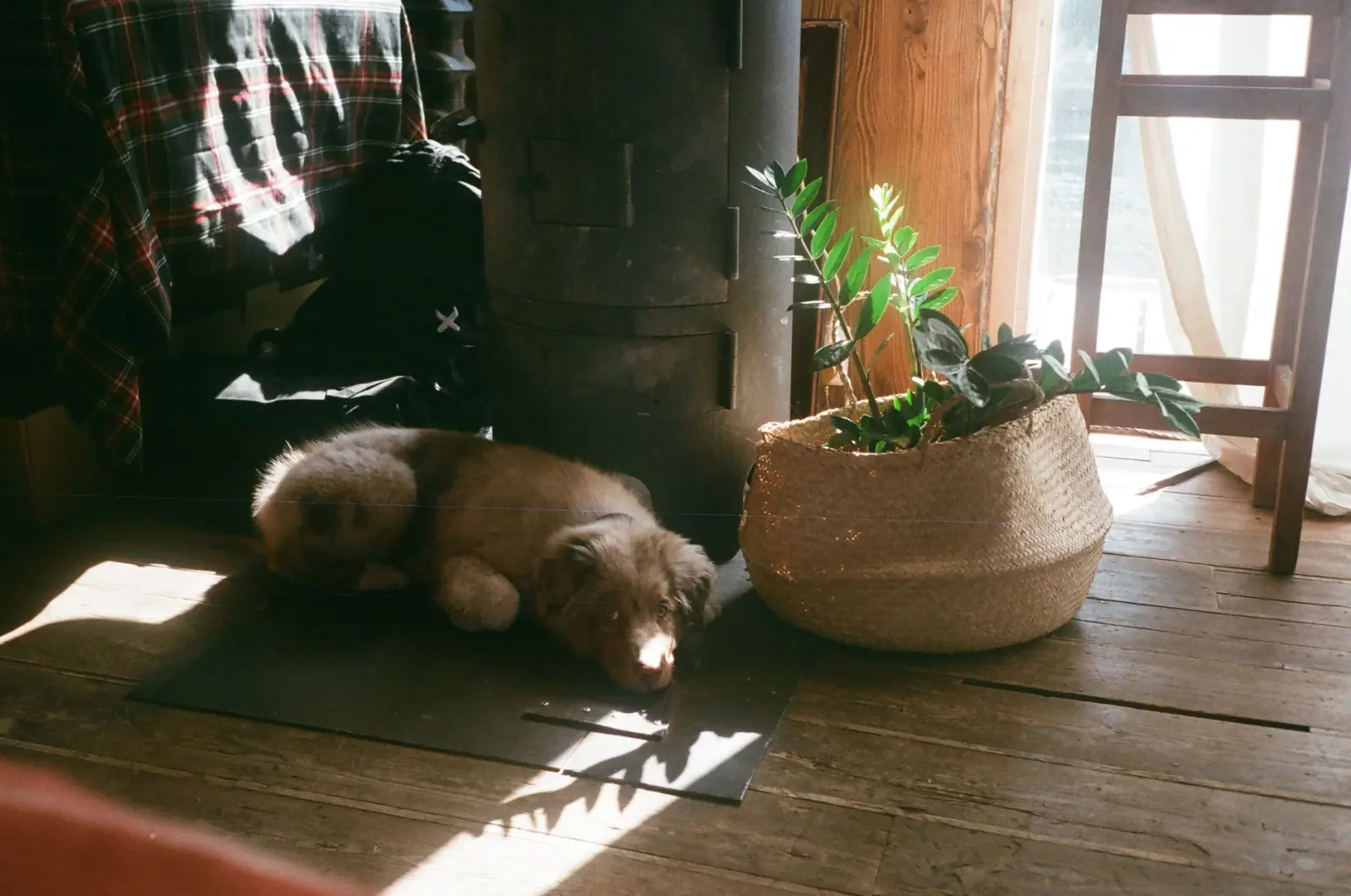
Australian Shepherds are wired differently than many dog breeds. After years of working with them, I’ve noticed that their sleep needs don’t follow a simple formula. They’re not like Bulldogs, who will happily nap for 18 hours straight. Aussies have a particular rhythm to their rest, and understanding it makes a real difference in their behavior and health.
Most healthy adult Australian Shepherds need somewhere between 12 and 16 hours of sleep in a 24-hour period. That sounds like a lot until you realize they don’t sleep the way humans do. They’re not logging eight straight hours at night. Instead, they operate on a polyphasic sleep pattern – multiple shorter naps throughout the day and night, punctuated by alert periods and activity bursts. This is normal for dogs, but it’s especially pronounced in a breed that was developed to work all day in variable conditions.
The variation within that 12 – 16 hour range matters more than hitting an exact number. A young, high-energy Aussie might need closer to 12 hours because they’re burning mental and physical energy constantly. An older dog or one recovering from illness might need 16 or even more. Puppies are different again – they can sleep 18 to 20 hours daily because growth and neurological development demand it. I’ve seen people worry unnecessarily because their three-month-old Aussie pup sleeps most of the day. That’s exactly what should be happening.
What Disrupts Sleep in This Breed
Australian Shepherds are sensitive to their environment in ways that directly affect rest quality. Boredom is one of the biggest culprits. When an Aussie isn’t getting enough mental stimulation or physical exercise, they don’t sleep better – they sleep worse. They become restless, pacing, whining, or waking frequently. I’ve worked with owners who thought their dog had insomnia when the real issue was that the dog had too much unspent energy and not enough to occupy their mind.
Changes in routine also disrupt their sleep more than most breeds. A move to a new house, a shift in the family schedule, or even a change in feeding times can throw off their rest patterns for days. They’re observant dogs, and they notice inconsistency. Once they settle into a predictable rhythm, they sleep more soundly.
Temperature and comfort matter too. Aussies have a double coat that sheds heavily, and they regulate body temperature differently than short-haired breeds. A room that’s too warm can make them restless. I’ve seen dogs who sleep poorly in summer but rest deeply once the temperature drops. Similarly, a dog without a comfortable place to lie down – a bed that’s too firm, too small, or in a high-traffic area – will have fragmented sleep.
Age and Life Stage Changes
Puppies under six months old are still developing their sleep architecture. They need those long stretches of unconscious rest for their brains and bodies to consolidate learning and growth. By six months, most Aussie pups start settling into more adult sleep patterns, though they’re still more active and require more rest than mature dogs.
Senior Australian Shepherds, typically those over seven or eight years old, often sleep more than their younger counterparts. This isn’t laziness. Older dogs have lower metabolic demands, and their bodies need more recovery time. But I’ve also noticed that some seniors develop fragmented sleep due to joint discomfort, incontinence, or cognitive changes. If an older Aussie suddenly starts waking frequently at night or seems restless, it’s worth investigating whether there’s an underlying health issue rather than assuming it’s normal aging.
Exercise and Mental Work Shape Rest
The relationship between activity and sleep is direct in Australian Shepherds. A dog who gets two solid hours of exercise – a combination of running, fetch, and herding-type work – will sleep more deeply and consistently than one who gets a casual 20-minute walk. The breed was developed for sustained work, and their bodies respond to that kind of demand by prioritizing recovery sleep.
Mental stimulation is equally important. Puzzle toys, training sessions, and problem-solving activities tire the brain in ways that affect sleep quality. I’ve seen Aussies who get plenty of physical exercise but no mental engagement still display poor sleep patterns. They’re alert and anxious rather than truly rested. The combination of both types of stimulation produces the best sleep.
Interestingly, dogs who are under-stimulated often appear to sleep a lot but aren’t actually resting well. They’re in a state of low-level vigilance, waking easily, shifting position frequently. It looks like sleep from a distance, but it’s not restorative. A truly well-exercised and mentally engaged Aussie will lie down and enter deep sleep more readily, with fewer interruptions.
Signs Your Aussie Isn’t Getting Enough Rest
Behavioral changes are usually the first indicator. A dog who isn’t sleeping well becomes hyperactive, reactive, or anxious. They might jump at sounds that normally wouldn’t bother them, or they become mouthy and play-bite more than usual. Some Aussies develop destructive behaviors when chronically sleep-deprived. They’re not being naughty – their nervous system is dysregulated.
Physical signs matter too. A dog who’s not resting enough often has dull coat quality, and they’re more prone to minor illness. Their eyes might look tired or bloodshot. Some develop repetitive behaviors like excessive licking or pacing. These aren’t always obvious problems, but they’re signals that something in the dog’s daily rhythm needs adjustment.
If your Aussie seems to sleep constantly but still displays restlessness or anxiety, the issue might be sleep quality rather than quantity. This is harder to spot because the dog is technically sleeping enough hours. The solution usually involves increasing exercise intensity or adding more varied mental work to the day.
Australian Shepherds thrive on consistency and adequate stimulation. When both are in place, sleep typically takes care of itself. They’ll find their natural rhythm, which for most healthy adults falls somewhere in that 12 – 16 hour range. The key is recognizing that sleep isn’t passive for this breed – it’s an active recovery process that depends on what happens during their waking hours. Pay attention to how your dog behaves when rested versus when they’re not, and adjust their daily routine accordingly. That’s often all that’s needed to see real improvement in their overall wellbeing.