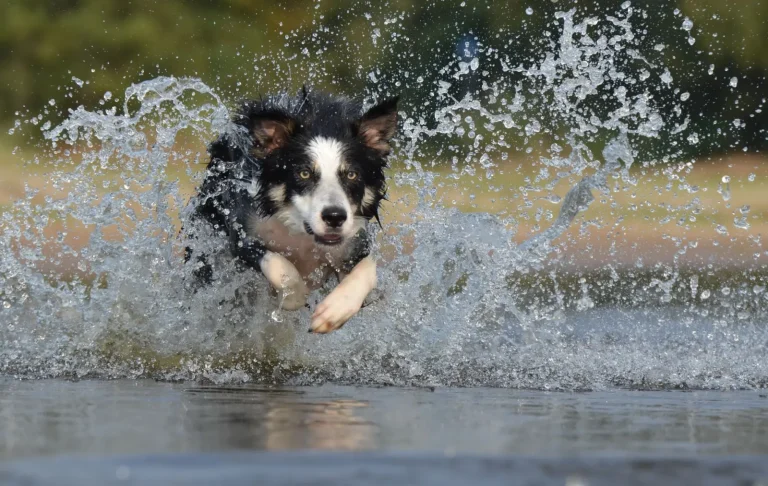


Australian Shepherds are medium-sized working dogs with metabolisms that don’t always match their lean appearance. After years of working with this breed, I’ve noticed that owners often underfeed them or, conversely, struggle to maintain a stable weight because they’re guessing at portions. The challenge isn’t complicated, but it does require paying attention to how your individual dog responds rather than relying on a bag’s feeding chart alone.
These dogs were bred to work cattle and sheep for hours, and that heritage shows in how their bodies process food. An adult Aussie typically weighs between 40 and 65 pounds, depending on sex and individual frame. What matters more than the number on the scale is how they look and perform. A dog in proper condition should have ribs you can feel under a light touch, a visible waist when viewed from above, and an abdominal tuck when viewed from the side. If you’re pressing hard to find ribs or seeing a sagging belly, the portions are too high. If the dog looks sharp and angular, with hip bones prominent, you’re likely underfeeding.
Caloric Needs and Activity Level
The standard recommendation for adult dogs sits around 25 to 30 calories per pound of body weight per day, but that’s a starting point, not a prescription. An Australian Shepherd that spends most days indoors or on casual walks will need less than one that runs regularly, trains, or works. I’ve seen dogs of the same weight and age require significantly different amounts of food based purely on what they do with their time.
A moderately active Aussie – one that gets a solid hour or two of exercise daily – typically does well on about 1,200 to 1,600 calories per day. A highly active dog that trains regularly or works might need 1,800 to 2,200 calories. A less active dog might thrive on 1,000 to 1,200. The only reliable way to know is to feed a reasonable amount, observe the dog for three to four weeks, and adjust. Weight changes slowly, so patience is necessary. If a dog is gaining weight steadily, reduce portions by about 10 percent. If losing weight, increase by a similar amount.
Meal Frequency and Timing
Most adult Australian Shepherds do well on two meals per day, spaced roughly 8 to 12 hours apart. This rhythm tends to support stable energy levels and digestion. Some owners feed once daily, and their dogs adapt fine, but I’ve found that two meals generally work better for this breed’s temperament and digestive comfort.
Meal timing matters more than people realize. A dog fed at 7 a.m. and 6 p.m. will have more predictable bathroom habits and steadier behavior than one fed at random times. If your dog trains or exercises, avoid feeding a large meal immediately before activity – wait at least an hour or two to reduce the risk of bloat, which can occur in deep-chested breeds. Feeding after exercise works better: the dog settles, digests calmly, and the meal supports recovery.
Protein and Fat Considerations
Australian Shepherds benefit from adequate protein, typically in the range of 18 to 25 percent of their diet for adults. This supports muscle maintenance and overall health. The source of protein matters less than the quality and digestibility. Some dogs thrive on chicken-based diets, others on beef or fish. What matters is that the dog maintains muscle tone and has good energy without digestive upset.
Fat content should generally sit between 10 and 15 percent for an adult dog with moderate activity. Higher fat diets can work for very active dogs but often lead to weight gain in less active ones. I’ve noticed that Aussies with sensitive digestion sometimes do better on moderate fat levels – high-fat foods can cause loose stools or diarrhea in some individuals.
Choosing and Adjusting Food
The quality of commercial dog food varies widely, and there’s no single “best” option across all dogs. What matters is finding something that your dog digests well, maintains good coat and energy on, and that fits your budget. Some owners prefer kibble for convenience, others use raw or fresh diets. All can work if they’re nutritionally balanced.
When switching foods, do it gradually over 7 to 10 days, mixing increasing amounts of the new food with the old. Aussies can develop digestive sensitivity to sudden changes, resulting in loose stools or vomiting. If a dog consistently has soft stools on a particular food, it may not be digesting it well – this isn’t always a sign of a “bad” food, just one that doesn’t suit that individual dog.
Treats and table scraps add calories that many owners don’t account for. If treats make up more than 10 percent of daily calories, they’re affecting weight management. I’ve worked with owners who thought their dog was overfed when, in reality, they were giving handfuls of training treats throughout the day without reducing the main meal. Once they tracked treats as part of the total calorie intake, the picture became clear.
Water and Digestive Health
Fresh water should always be available. Australian Shepherds generally drink reasonably but not excessively. If a dog suddenly increases water intake significantly, it can signal a health issue worth discussing with a veterinarian.
Some owners add a small amount of warm water to kibble, which can aid digestion and increase palatability. This is harmless and sometimes helpful, particularly for dogs that eat quickly or have sensitive stomachs. Others prefer to keep kibble dry. Neither approach is inherently better – it depends on the individual dog’s needs.
As dogs age, their caloric needs may decrease slightly, and some develop sensitivities they didn’t have as younger adults. A feeding approach that worked perfectly at age three might need adjustment at age seven or eight. Reassessing portion sizes every year or two, and certainly after any significant change in activity level, keeps weight stable and health on track. The goal is consistency and attention to how your specific dog responds, not adherence to a generic guideline.