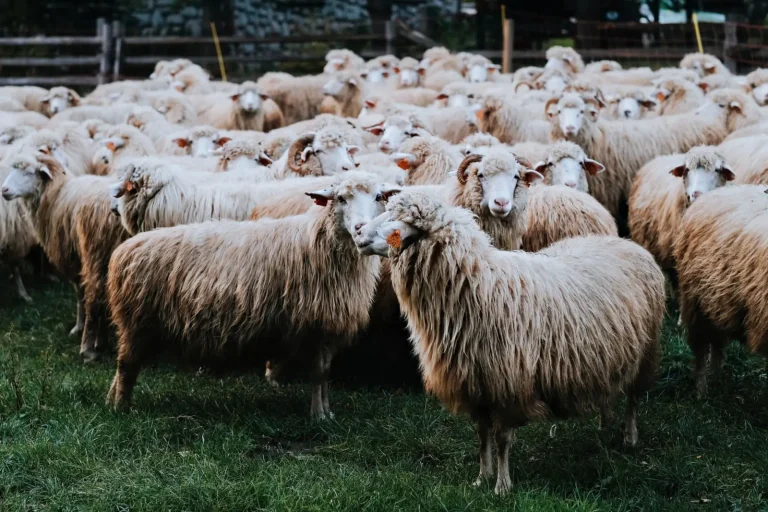

Australian Shepherds were bred to work all day, reading livestock and responding to changing conditions. A thirty-minute walk around the neighborhood doesn’t come close to satisfying that mental need, and most owners discover this the hard way. I’ve watched countless Aussies develop frustration-based behaviors – pulling harder, lunging at movement, losing focus – simply because their walks had become predictable routines. The dog isn’t being difficult. It’s bored.
The mistake most people make is treating the walk as a container for exercise rather than an opportunity for engagement. A tired Australian Shepherd is not the same as a mentally satisfied one. You can walk an Aussie for an hour and still come home to a dog that’s restless, fixated on things it shouldn’t be, or creating problems just to have something to do. The breed’s intelligence and drive need an outlet, and the walk is the most accessible time to provide it.
Varying the environment itself makes an immediate difference. Dogs notice far more about their surroundings than we give them credit for, but only if we’re not walking the same route at the same pace every single day. An Aussie that’s walked the same block five times a week stops processing it as novel. Changing routes, even just reversing direction or taking a different street, resets that attention. Different routes mean different smells, different visual stimuli, different surfaces underfoot. The dog’s nose and eyes engage differently depending on what’s actually there to process.
Variable Pace and Direction
Walking at a consistent speed is efficient for humans but monotonous for dogs. Aussies respond well to changes in rhythm. Slow down for a section, then pick up pace. Stop and let the dog sniff thoroughly in one spot, then move on. Change direction unexpectedly. These shifts require the dog to pay attention to you, not just follow a groove in the pavement. I’ve noticed that dogs on variable-pace walks stay more attuned to their handler throughout the outing, rather than zoning into their own rhythm and ignoring everything else.
The stopping part matters more than people realize. When you allow genuine sniffing time – not just a quick pause, but two or three minutes where the dog can really work a spot – you’re giving the dog something it actually wants to do. Sniffing is how dogs gather information about their world. It’s not a waste of your time; it’s the dog doing its job. An Aussie that gets this outlet on the walk is less likely to spend the evening obsessing over scents in the yard or trying to dig under the fence.
Incorporating Simple Tasks
This is where the breed’s working background becomes practical. Aussies respond to having a job, even a small one. During walks, you can ask the dog to heel for a section, then release it. Ask it to sit and wait while you walk a few steps away and call it back. Ask it to touch a specific object or follow a particular route through a park. These aren’t formal obedience exercises; they’re just small tasks that require focus and decision-making.
The key is that these tasks change. If you do the same sequence every walk, it becomes rote. But if you vary what you ask for – sometimes heeling, sometimes weaving through trees, sometimes waiting for a release signal – the dog has to stay mentally present. It can’t anticipate what’s coming next. I’ve found that Aussies actually enjoy this unpredictability more than repetition. It keeps them engaged because they’re not just following a script.
Some handlers use walks as an opportunity to work on specific behaviors or reinforce training. This doesn’t mean formal drills. It means noticing when the dog does something right – a good sit, a polite greeting with another dog, a solid recall – and marking and rewarding it immediately. The walk becomes a context where learning happens, not just where exercise happens.
Environmental Interaction
Terrain variation matters more than most owners realize. Walking only on pavement or smooth grass doesn’t challenge an Aussie’s body the way varied surfaces do. Grass, gravel, slight inclines, uneven ground – these require different muscle engagement and balance. They also force the dog to pay attention to its footing rather than zone out. If your usual routes are flat and uniform, finding areas with more natural variation will noticeably change how the dog moves and behaves during the walk.
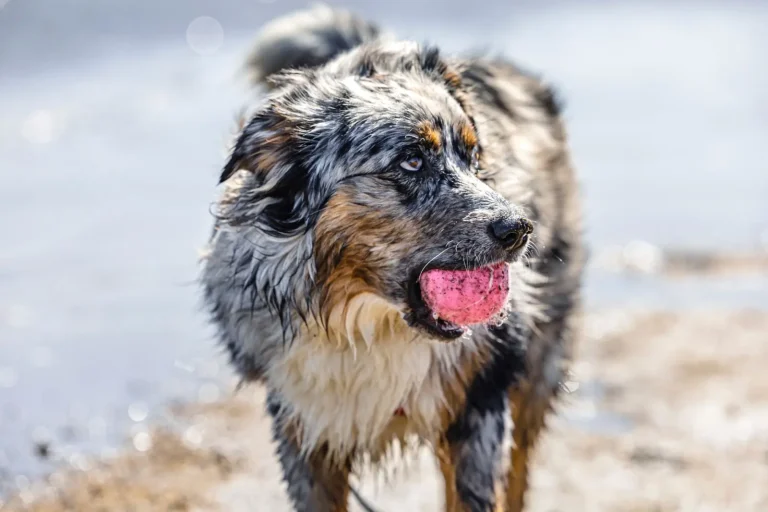
Water access, when safe and available, provides genuine enrichment. Wading through a shallow creek or splash pad isn’t just physical activity. It’s sensory stimulation that keeps an Aussie’s mind occupied in a way that flat ground doesn’t. The dog has to navigate different footing, process new sensations, and engage with an environment that demands attention.
Controlled exposure to mild challenges also works. Not dangerous situations, but scenarios that require the dog to think. A walk that includes crossing a small stream, navigating around obstacles, or moving through different lighting conditions (shade to sun) keeps the nervous system engaged. This is different from stress. An Aussie that’s mentally engaged on a walk is calmer when you get home, not more wound up.
Social and Sensory Variation
The presence or absence of other dogs and people shapes how an Aussie experiences a walk. Some outings with social interaction, some without. Some walks in busier areas, some in quieter places. This variation matters because it prevents the dog from settling into a single behavioral pattern. An Aussie that only walks in quiet neighborhoods might become reactive when encountering other dogs in new settings. An Aussie that experiences varied social contexts during walks adapts more flexibly to different situations.
The time of day changes what a dog encounters. Morning walks smell different from evening walks. The light is different. The activity level in the neighborhood is different. If you can vary when you walk, the dog’s sensory experience changes accordingly. This isn’t about being unpredictable for unpredictability’s sake. It’s about the fact that the same route at 7 a.m. is genuinely a different experience than the same route at 5 p.m.
Over time, you’ll notice that an Aussie on varied, engaging walks behaves differently than one on repetitive routes. The dog is calmer indoors, less fixated on creating its own entertainment, more responsive to direction. The walk stops being just exercise and becomes what it should be: a time when the dog’s mind is actually working alongside its body. That balance is what most Aussies are actually looking for, even if their owners don’t realize it yet.