
Australian Shepherds handle heat differently than many people assume. Their double coat, bred for temperature regulation in variable conditions, doesn’t make them naturally suited to sustained high temperatures. I’ve worked with plenty of Aussies over the years, and the ones that struggle most aren’t those lacking toughness – they’re the ones whose owners underestimate how quickly these active, driven dogs can overheat when conditions turn.
The real challenge with Aussies in hot weather isn’t just the temperature itself. It’s their temperament. These dogs were built to work all day, and they don’t naturally pace themselves or back off when they’re uncomfortable. An Aussie will happily chase a ball or herd livestock until heat exhaustion sets in, showing little obvious distress until the problem is serious. That’s where the actual management happens – not in dramatic interventions, but in adjusting your expectations and routines before conditions become dangerous.
Timing and Intensity Matter More Than You Think
The first thing I notice with owners managing Aussies through summer is that they often think in terms of “exercise” as a single category. It’s not. A thirty-minute walk at 7 a.m. is completely different from a thirty-minute walk at 2 p.m., and the difference compounds when your dog has a thick coat and a high drive to work.
Early morning and late evening exercise becomes non-negotiable during the hotter months. I’m talking genuinely early – before the ground heats up, before the air temperature climbs. The pavement temperature is what matters most. Asphalt and concrete retain heat intensely, and by mid-morning in summer, they’re hot enough to cause discomfort and even pad damage within minutes. I’ve seen dogs develop blistered paw pads from just a short walk on hot pavement, and once that happens, you’re dealing with weeks of restricted movement and pain management.
Intensity needs to drop during daylight hours. This isn’t about being soft with your dog. It’s about physics. A high-drive Aussie doing intense work – herding practice, agility training, sustained running – generates enormous internal heat. Their body can’t shed that heat fast enough in ambient temperatures above 25 – 28 degrees Celsius, regardless of how fit they are. I’ve seen fit, young dogs overheat faster than less athletic ones because they push harder and don’t self-regulate.
What works instead is shorter, lower-intensity sessions during the day. Mental work – training, puzzle toys, scent games – burns energy without generating the same internal heat load as physical exertion. An Aussie can spend an hour working through a training session in moderate heat and come away tired and satisfied without the overheating risk that comes with running or herding work.
Hydration Is Continuous, Not Reactive
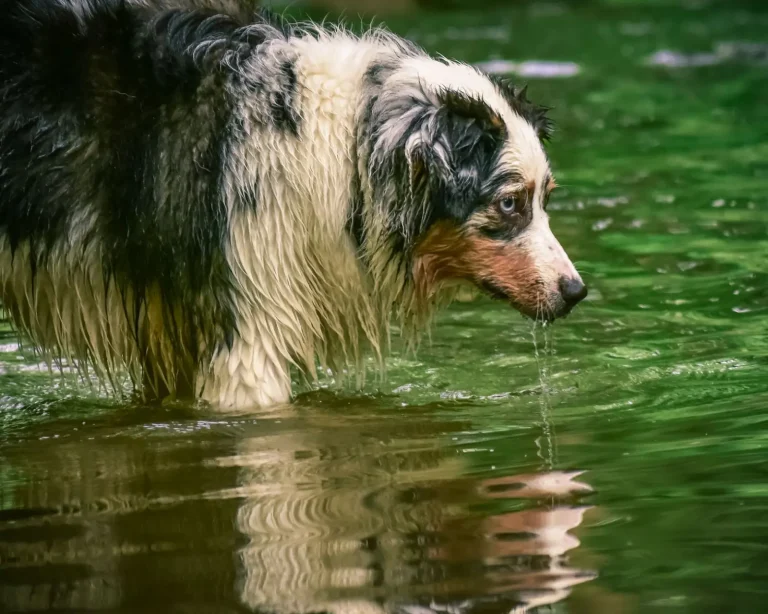
Water access during hot months needs to be constant and abundant. This sounds obvious, but I notice owners often think about water mainly during or after exercise. The reality is more subtle. Dogs lose water through panting and respiration all day in heat, not just when they’re working. An Aussie lying in a shaded spot on a 35-degree day is still losing fluid steadily.
Multiple water stations around your property make a difference. Dogs won’t always walk to a single bowl if they’re resting somewhere else. I’ve seen dogs become mildly dehydrated simply because their water bowl was on the other side of a fence or in a less accessible spot. Fresh water should be available wherever your dog spends time.
Electrolyte imbalance is worth understanding, though it’s less common than simple dehydration. If your Aussie is working regularly in heat – herding, training, or competing – plain water alone doesn’t fully replace what’s lost through sweat and panting. Salt loss is real, and a dog that’s lost significant electrolytes can develop muscle weakness or cramping even after rehydration. This is where a conversation with your vet about electrolyte supplementation makes sense, particularly if you’re doing sustained work during warm months.
Coat Care During Heat
The question of whether to shave an Aussie in summer comes up constantly, and the answer isn’t straightforward. The double coat does provide insulation, which works both ways – it keeps heat in as well as out. However, shaving removes the dog’s natural protection against sunburn and UV damage, and it can disrupt the coat’s ability to regulate temperature properly for months afterward.
What I’ve found works better is regular, thorough grooming without full shaving. A good deshed during spring removes the bulk of the undercoat that traps heat. Bathing with a quality conditioner and then blow-drying thoroughly helps remove loose hair and improves air circulation through the remaining coat. This isn’t about aesthetics – it’s about reducing the insulating layer without removing the protective outer coat entirely.
If you do choose to shave, do it early in the season, not in the middle of summer. The coat needs time to begin growing back before cooler months arrive, or you’ll have a dog with inadequate coat protection when temperatures drop. I’ve seen owners shave their Aussies in January or February and then struggle with a patchy, slow-growing coat through autumn.
Recognizing Heat Stress Before It Becomes Critical
Heat exhaustion in dogs doesn’t always look dramatic. The obvious signs – excessive panting, drooling, weakness – appear relatively late in the process. By the time you see those, the dog is already significantly stressed.
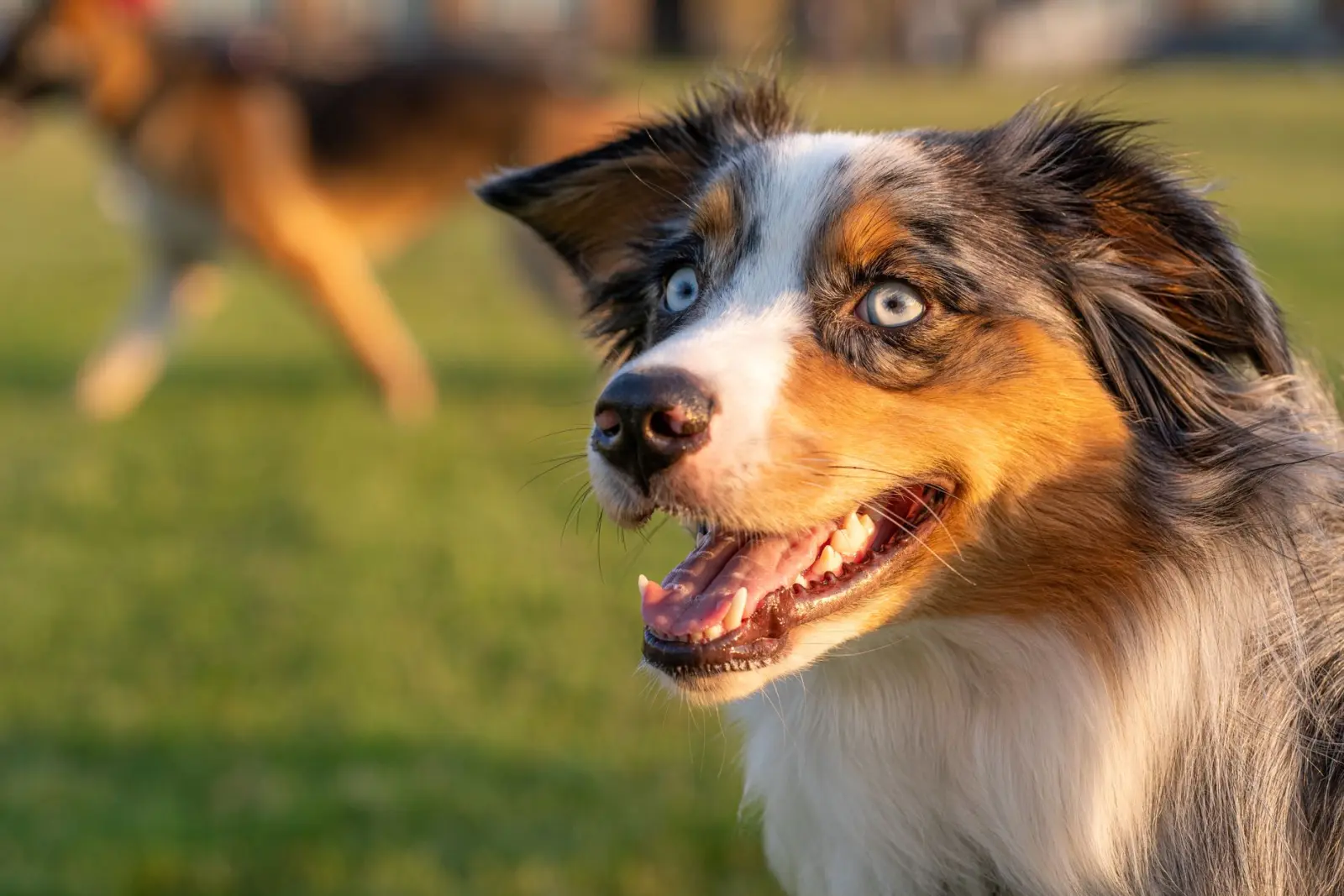
Earlier signs are more subtle. A dog that’s overheating will often seek shade or water more frequently than usual. Panting becomes heavier than the situation warrants. Some dogs become less responsive or show a glazed expression. An Aussie that normally engages with you during training might suddenly lose focus or seem disinterested. These are the moments to stop, cool the dog down, and reassess the situation.
Gum color is one of the most reliable indicators. Healthy dog gums are pink. When a dog is overheating, gums become bright red or even purple-red, and they stay that color even when you press on them. If you notice this, get your dog into shade, offer water, and cool them down gradually. Sudden, extreme cooling can actually cause problems, so cool water offered to drink and wet towels applied to the body work better than ice baths.
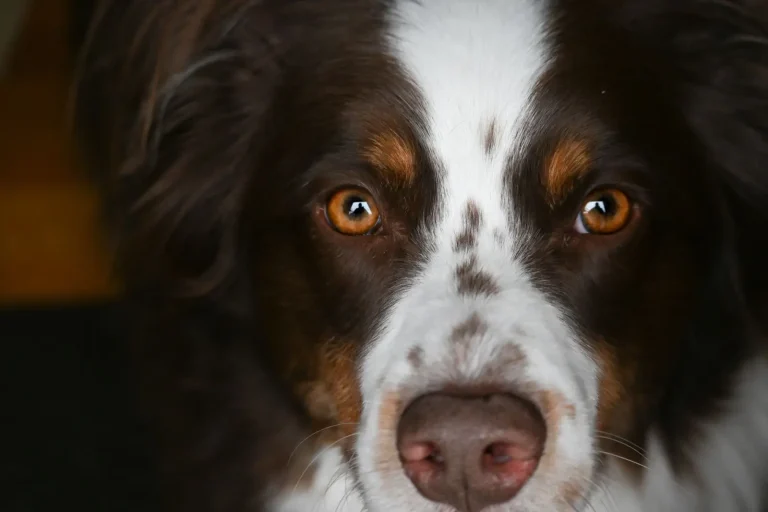
Breed predisposition matters too. Aussies with darker coats absorb more solar heat than lighter-colored dogs. Older dogs and puppies regulate temperature less efficiently. Dogs that are overweight or out of condition overheat faster. These aren’t character flaws – they’re just biological realities that change how you manage the summer months.
After years of working with these dogs, I’ve learned that the difference between a dog that thrives through hot months and one that struggles comes down to consistent, anticipatory management rather than dramatic measures. Adjust your schedule before it becomes necessary. Keep water available before your dog asks for it. Recognize that your dog’s drive to work doesn’t mean they can safely work in heat. The dogs that do best are the ones whose owners accept that summer requires different routines, and they implement those changes as a matter of course, not as a reaction to problems.