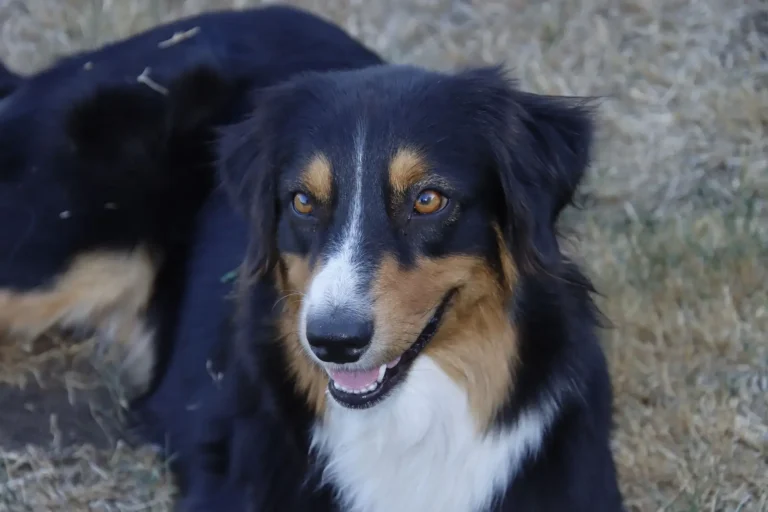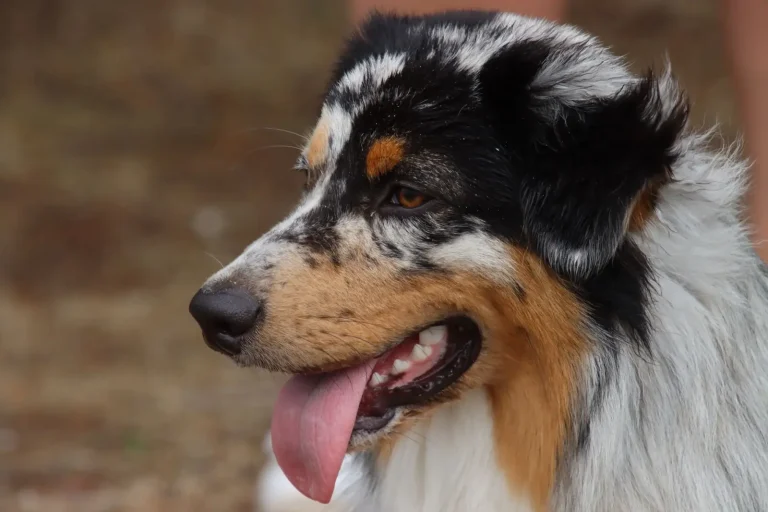

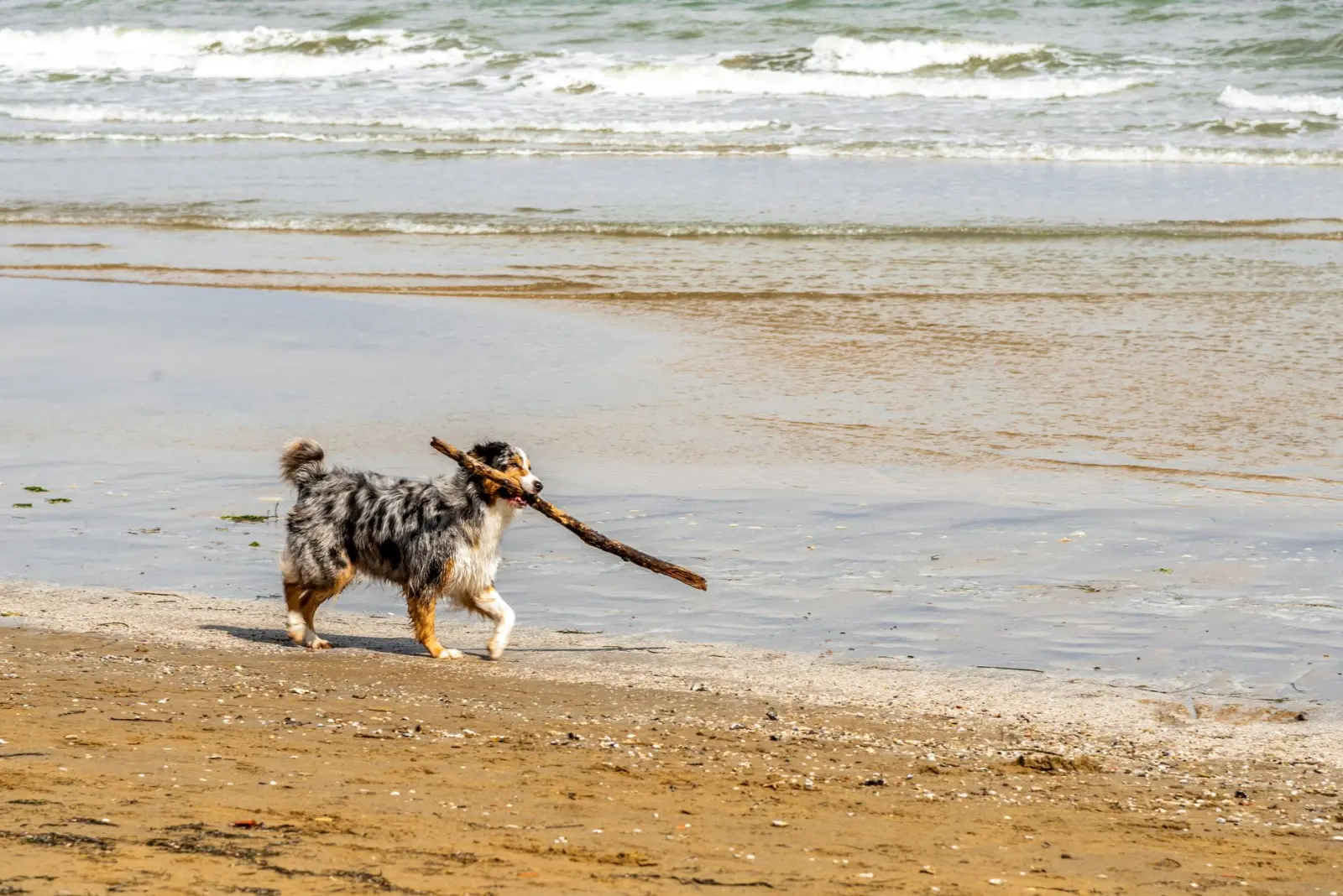
Australian Shepherds have a particular way of engaging with search games. After years of working with this breed, I’ve noticed they don’t just play these games – they seem to understand the underlying structure almost immediately. Their herding background gives them an instinctive drive to locate and control movement, which translates directly into how they approach hidden objects or scent work. The moment you introduce the concept of “find it,” something clicks in their mind that feels different from how other breeds approach the same task.
The difference between a search game and random play is intention. With an Australian Shepherd, that intention needs to be clear from the first session. They’re not naturally inclined to bumble around hoping to stumble on something. They want to know there’s a purpose, and once they understand the rules, they’ll work with focused intensity. This is where many people struggle – they expect their dog to develop interest gradually, but Aussies tend to either get it or dismiss it entirely.
Starting with Visible Hides
The foundation of any search game is keeping things obvious at first. I always begin with a toy or treat placed in plain sight – under a cushion with the corner sticking out, behind a partially open door, in a box with the lid removed. The dog’s job is simply to notice it’s there and retrieve it. This seems elementary, but it establishes the pattern: searching leads to finding, finding leads to reward. For an Australian Shepherd, this phase usually takes one or two sessions before they’re ready for something more challenging.
What matters during this phase is consistency in your language. Use the same word every time – “find it,” “search,” “look” – whatever you choose. The word itself becomes a cue that triggers the behavior. I’ve found that Australian Shepherds respond particularly well to short, direct cues. They don’t need elaborate explanations; they need clarity.
Progressing to Hidden Locations
Once the dog understands the basic concept, you can start hiding items in places that require actual searching. A toy under a blanket, treats inside a partially closed drawer, a Kong behind a chair. The key is that the hiding spot should still be within their immediate environment – the same room where you’re standing. At this stage, you’re teaching them to use their nose and eyes to locate something that’s no longer visible but is still accessible.
This is where breed temperament becomes noticeable. An Australian Shepherd will typically search methodically rather than randomly. They’ll check likely spots first, then expand their search pattern if needed. They’re not frantic about it; there’s a logic to how they move through space. If they can’t find something after a reasonable effort, they’ll often look back at you for guidance. This is actually useful information – it tells you whether the hide was too difficult or whether they need a hint.
Scent Work and Specific Objects
Moving into scent-based games requires introducing a distinct smell that signals “this is what you’re looking for.” Many people use essential oils like birch or anise, but I’ve had good results with simple things like a cloth rubbed with a specific treat or toy that has a recognizable scent. The dog learns to associate that smell with the reward, and then you hide objects with that scent in increasingly difficult locations.
Australian Shepherds tend to excel at this because they can maintain focus on a single scent while ignoring distractions. I’ve worked with dogs of this breed who can locate a hidden scent container in a room full of competing smells – other toys, treats, food bowls. Their herding instinct translates into an ability to isolate and track a specific target. What’s interesting is that they seem to enjoy the precision of it. It’s not just about getting a reward; it’s about solving a problem correctly.
The progression here is gradual. Start with the scent object in plain sight, then partially hidden, then fully hidden in easy locations like under a cushion or in an open box. Once they’re reliably finding it in those spots, you can move to harder hides – inside a closed container, under a pile of blankets, behind furniture. The timeline varies, but most Australian Shepherds will move through these stages in a few weeks of regular practice.
Multi-Object and Room Searches
Once a dog is solid with finding a single hidden object, you can introduce multiple hides in the same search session. This is where things get interesting. An Australian Shepherd will typically find the first object, return it, and then immediately look for the next one. They understand that the game continues until you signal it’s over. Some dogs will become more efficient with each find, narrowing their search pattern based on where they found the previous object.
Expanding to different rooms is a natural next step. A dog that can search one room reliably can usually transfer that skill to other spaces without much retraining. The basic principle remains the same – find the hidden object, bring it back, get rewarded. Australian Shepherds don’t seem to need much scaffolding for this transition. They grasp that the rules apply everywhere.
One thing I’ve observed is that Australian Shepherds can become bored with repetitive hiding spots. If you always hide the toy in the same corner or under the same piece of furniture, they’ll find it faster each time, but their engagement tends to flatten. Varying the locations keeps them mentally sharp and maintains their interest in the game itself rather than just the reward at the end.
Duration and Frequency
Search games are mentally demanding for dogs, more so than many people realize. An Australian Shepherd working through a serious search session can be as tired afterward as if they’d run for thirty minutes. This is useful to know because it means you don’t need long sessions to provide meaningful enrichment. Fifteen to twenty minutes of focused searching can occupy a dog for hours afterward as they process the mental work.
Frequency matters too. I’ve found that Australian Shepherds maintain the highest engagement with search games when they happen two or three times a week rather than daily. Daily sessions can lead to a kind of mechanical response where the dog goes through the motions without the same intensity. Spacing them out keeps the activity novel and maintains their drive to participate.
What makes search games particularly valuable with this breed is that they channel their natural instincts in a structured way. An Australian Shepherd without adequate mental stimulation will often create their own “search” activities – which usually means finding things you’d rather they didn’t, like hidden food in the kitchen or that one sock you’ve been missing. Giving them a legitimate outlet for that drive tends to reduce problem behaviors significantly.