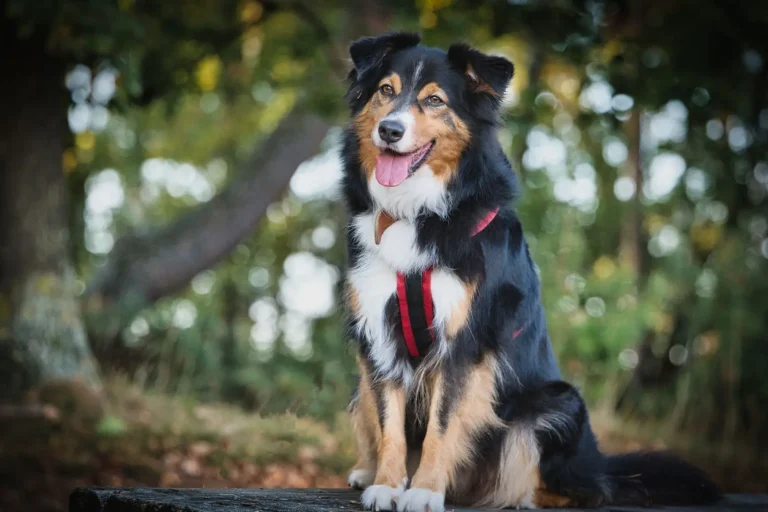

Australian Shepherds have a particular way of engaging with the world. They watch, they calculate, they move with intention. After years of working with this breed, I’ve noticed that the dogs who seem most settled and confident are the ones whose owners have tapped into something beyond basic obedience – a way of teaching that lets the dog figure things out. Shape training does exactly that.
Shape training isn’t about luring a dog into position or commanding a behavior. It’s about marking and rewarding small, incremental movements toward a goal, letting the dog discover the pattern themselves. For Australian Shepherds, this approach aligns with how their minds naturally work. They’re bred to problem-solve in real time, to adjust their approach based on what they’re seeing. When you use shaping, you’re not fighting that instinct; you’re channeling it into something structured.
The beauty of shaping with this breed is that it creates a feedback loop that keeps them engaged. An Australian Shepherd that has learned to think through a problem – to offer behaviors and test whether they work – becomes a different dog. They’re more attentive, less reactive, and genuinely interested in what comes next. That engagement is often what owners are actually looking for when they say their dog needs “more exercise.” Physical exercise matters, but mental engagement through shaping often addresses the real restlessness.
How the Process Works in Practice
Shaping starts with a clear end goal and a reward marker. The marker – typically a clicker or a verbal marker like “yes” – tells the dog exactly which behavior earned the reward. You begin by rewarding anything that moves in the direction of your goal, no matter how small. If you’re shaping a down, you might start by rewarding a slight lowering of the shoulders. The dog tries it again. You reward again. Over time, you require a deeper crouch before marking and rewarding.
With Australian Shepherds, I’ve found that the pace matters. These dogs can read subtle changes in criteria very quickly, sometimes faster than owners realize they’ve changed them. If you’re not consistent about what you’re marking, the dog gets confused, and confusion often looks like frustration or loss of interest. The dog might try the old behavior, then a new one, then give up. That’s a sign the criteria shifted too fast or wasn’t clear enough.
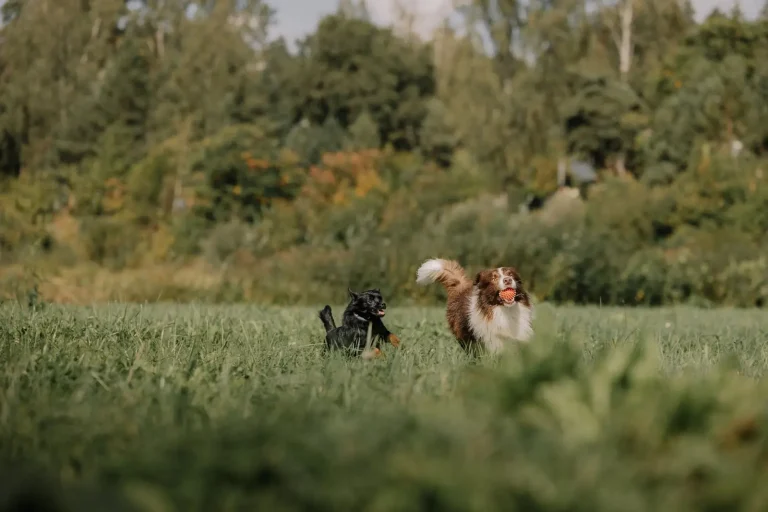
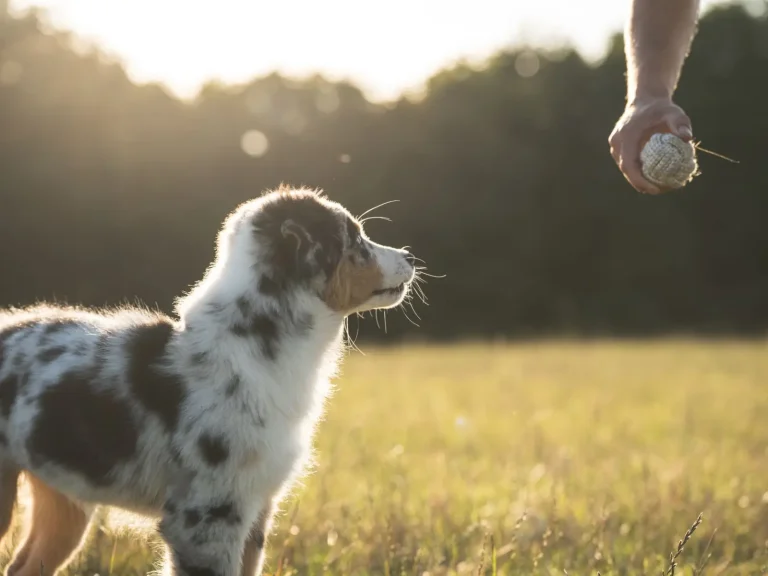
The reward itself is less important than the timing and consistency of the marker. Food works, but so does access to play, a toy, or even just movement and interaction. Australian Shepherds often work for the engagement itself once they understand the game. I’ve shaped behaviors using nothing but a tennis ball and the opportunity to chase it. The dog learns that offering the right behavior opens the door to something they want.
Games That Build on Shaping
One game I use frequently is “free shaping,” where the dog learns that offering novel behaviors gets marked and rewarded. You sit with your dog in a quiet space and simply watch. The moment they do something – a head tilt, a paw lift, a spin – you mark and reward. Most Australian Shepherds catch on within a few sessions that offering behaviors is the path to rewards. They start experimenting deliberately. Some will cycle through a series of behaviors in rapid succession, testing what works. This game alone can occupy a smart dog for 10 or 15 minutes and leaves them genuinely tired in a way that physical exercise sometimes doesn’t.
Another variation is “capturing,” where you shape behaviors that the dog already offers naturally. An Australian Shepherd might naturally lie down in a certain spot or tilt their head in a particular way. Instead of luring it, you wait for the behavior to happen, mark it, and reward it. Over time, the dog offers it more deliberately. This teaches the dog that paying attention to their own behavior and its consequences is worthwhile. It’s less about the specific behavior and more about building the habit of self-awareness.
I’ve also used shaping to build games around objects. Setting up a scenario where the dog has to figure out how to interact with a toy, a cone, or a platform to earn a reward keeps them engaged and problem-solving. Some dogs learn to nose a ball into a specific area, or to weave around cones without being lured. The dog is doing the thinking; you’re just marking when they get it right.
What Goes Wrong and Why
The most common issue I see is owners moving too fast through the criteria. An Australian Shepherd that was rewarded for touching a target with their nose will suddenly not get marked for that same touch because the owner has decided the dog should now push harder or aim for a different spot. The dog feels the goalpost moved and often shuts down. They might stop trying altogether or revert to behaviors that used to work. Patience with the incremental steps is not optional; it’s the foundation of the whole process.
Another frequent problem is inconsistent marking. If the dog gets marked for a behavior sometimes but not others, they become uncertain about what they did right. This uncertainty erodes the confidence that makes shaping effective. Australian Shepherds are sensitive to this kind of inconsistency. They notice patterns quickly and get frustrated when patterns don’t hold.
Timing of the reward matters too. The reward should follow the marker almost immediately. If there’s a delay between the mark and the treat or toy, the dog has time to move or change position, and they may associate the reward with the new behavior instead of the one you marked. With shaping, precision in timing is part of the teaching itself.
Sustaining Interest Over Time
Australian Shepherds are prone to boredom with repetitive tasks, but shaping games tend to hold their interest longer because the dog is doing the problem-solving rather than following a known pattern. That said, the context and environment matter. A dog that loves shaping in the living room might find it less interesting in a distracting environment. Novelty helps. Changing locations, varying the reward, or introducing new objects keeps the game fresh.
I’ve noticed that these dogs also benefit from having some autonomy in the game. If you always control exactly what behavior you’re shaping, the dog becomes passive. But if you sometimes let the dog choose what behavior to offer – as in free shaping – they stay more engaged overall. It’s the difference between a dog that performs behaviors because they’ve learned to and a dog that actively participates in the learning process.
The relationship between consistency and play is worth noting. Shaping requires structure and clear criteria, but it doesn’t require rigidity. You can shape behaviors in the context of play, with movement and enthusiasm. An Australian Shepherd shaping a behavior while also having fun with a toy or chasing you around the yard is learning something different than one sitting in a formal training position. Both have value, but the playful version often creates more durable engagement.
Over time, Australian Shepherds that have learned through shaping become easier to live with in unexpected ways. They’re more patient with uncertainty because they’ve learned that thinking through a problem is valuable. They’re less likely to develop obsessive or destructive behaviors because they have a framework for problem-solving that doesn’t involve those outlets. And they’re more responsive to their owners because the relationship is built on communication and feedback rather than command and compliance.