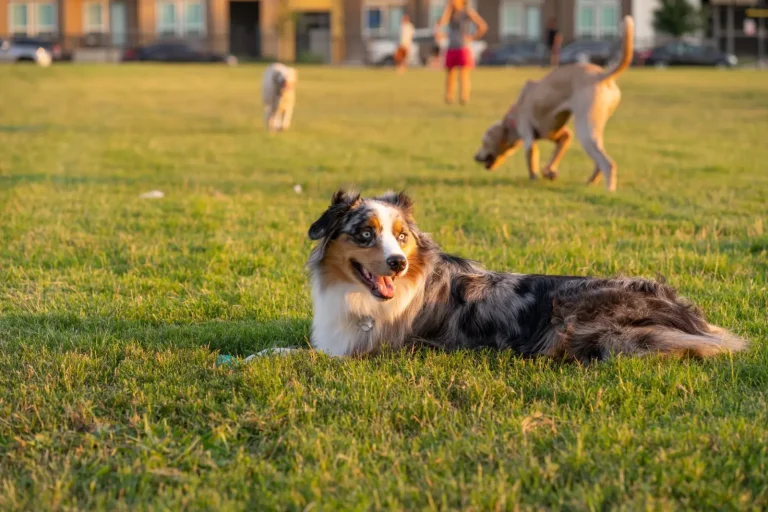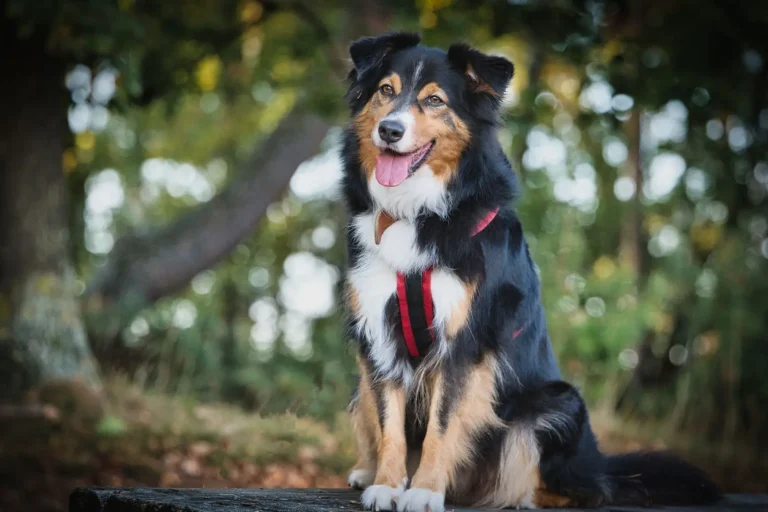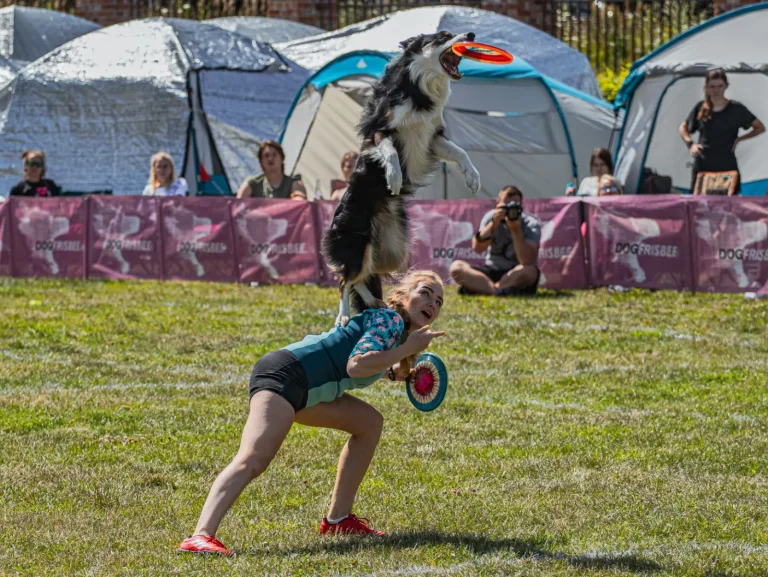

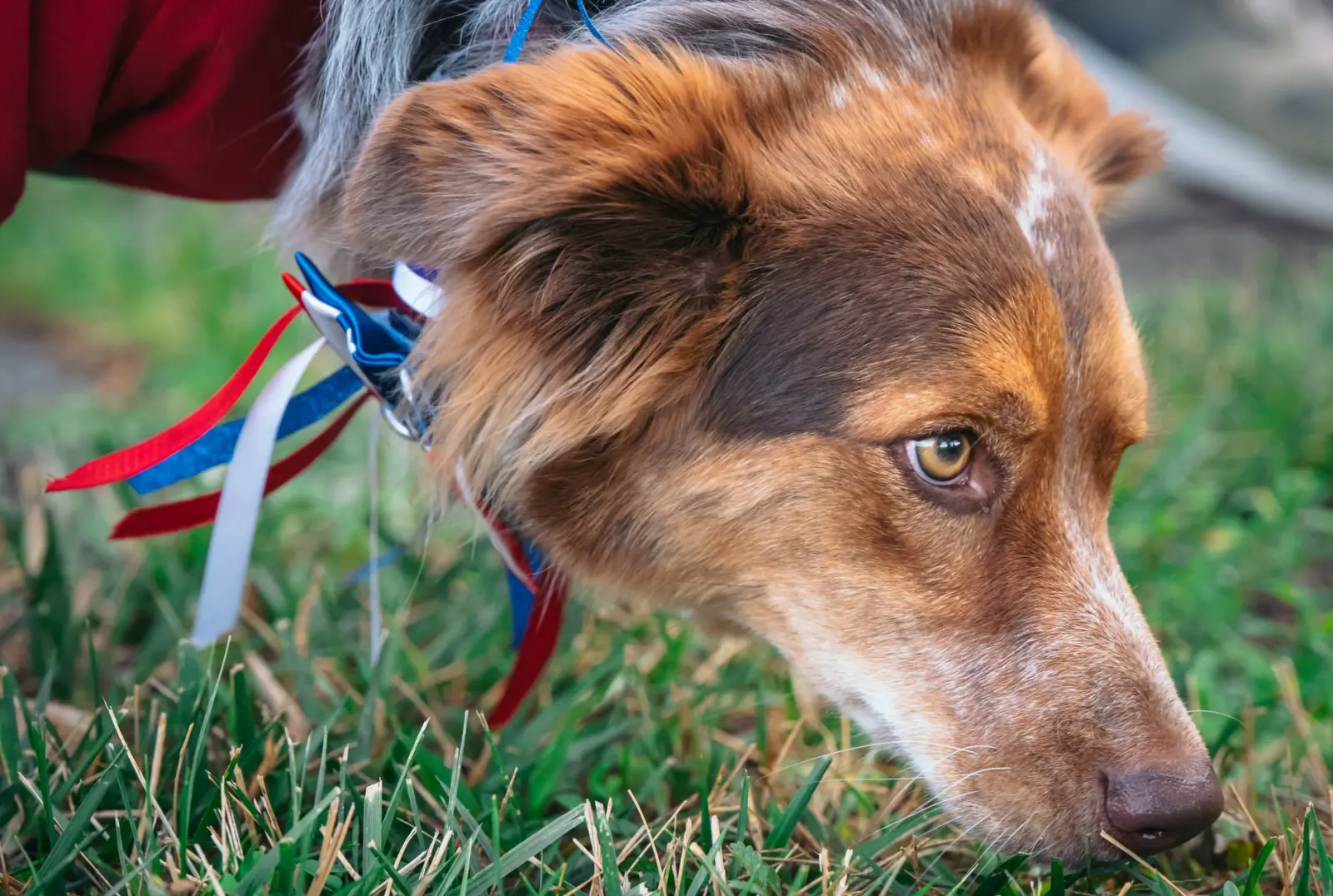
Australian Shepherds have a particular quality that makes them well-suited to search work. It’s not just their intelligence, though they’re certainly capable learners. It’s the way they move through space with intention, the way their eyes track movement and change, and their genuine interest in solving problems. Over years of working with this breed, I’ve noticed they rarely need to be forced into finding games – they often gravitate toward them naturally. The challenge isn’t usually motivation. It’s channeling that drive in a way that makes sense to both dog and handler.
The first thing I observe in most Aussies is that they already understand the concept of searching without formal training. Watch one in a yard and you’ll see it: they quarter the space, they double back, they investigate scents and disturbances. This is built-in behavior, not learned. What we’re doing when we teach a formal find game is giving that instinct a framework and a reward structure that keeps it focused. The dog learns that when we ask for a search, there’s a specific outcome we’re looking for, and that outcome leads to something good.
Starting with Drive, Not Commands
I’ve found that the most reliable approach begins with understanding what already motivates your individual dog. Some Aussies are toy-driven; others respond better to food or play with the handler. This matters more than most people realize. A dog that’s mildly interested in a toy won’t sustain a search the way one that genuinely wants it will. Before you hide anything, spend time observing what your dog actively pursues. That’s your foundation.
The early stages look nothing like a formal search. I typically start by making the object obvious and letting the dog find it through play. Hide a toy under a blanket in the same room, let the dog watch, then encourage them to get it. The dog does the work; you’re just present and rewarding the outcome. Repeat this dozens of times across several sessions. The dog begins connecting the dots: there’s something hidden, finding it is possible, and finding it results in play or reward.
What’s important here is that you’re not teaching a command yet. You’re building enthusiasm for the act of searching itself. I’ve seen handlers jump too quickly to verbal cues or hand signals, and it often dampens the dog’s natural drive. The dog becomes focused on pleasing you rather than on the genuine satisfaction of the hunt. An Aussie will work hard for approval, but they work with more energy and persistence when they’re genuinely invested in finding the thing.
Expanding Distance and Complexity Gradually
Once a dog reliably finds objects in plain sight or under minimal cover, the next phase is distance. Hide the toy in another room, or farther away in the same room. Let the dog watch you hide it at first. This teaches them that the object has moved, and that searching beyond the immediate space is worthwhile. An Aussie’s natural range is larger than many breeds, so they often take to this quickly.
The progression I follow is: obvious hiding spot in the same room, slightly harder hiding spot in the same room, hiding spot in an adjacent room with the door open, hiding spot in an adjacent room with the door closed (though the dog can see you go in), and finally, hiding spot in a room the dog doesn’t enter during the hiding process. Each step should feel manageable. If your dog gets frustrated or gives up, you’ve moved too fast.
Complexity also increases through the environment itself. Early searches happen in familiar, controlled spaces. As the dog gains confidence, you can introduce more variables: multiple rooms, outdoor spaces with natural cover, areas with competing scents. An Aussie’s focus is usually strong enough to handle this, but the transition matters. A dog that’s confident finding a toy in your living room may hesitate in a backyard full of new smells and distractions. That’s normal, not a failure.
The Role of Scent and Consistency
I’ve noticed that handlers often underestimate how much scent plays into this work, even with visual searches. When you hide an object, you’re leaving your scent, the object’s scent, and a trail of disturbance. An Aussie’s nose is working whether you’re intentionally using scent or not. Some dogs rely more heavily on scent than others. Some are primarily visual hunters. Understanding your individual dog’s preference helps you set them up for success.
Consistency in the hiding process matters more than people expect. If you always hide the toy in the same general area, the dog learns a pattern. They start searching that area preferentially. This isn’t a problem early on – it’s actually helpful for building confidence. But eventually, you’ll want to vary locations so the dog learns to search thoroughly rather than relying on habit. I typically work with one location for several sessions, then rotate to a new one.
The reward also needs to be consistent. If the dog finds the toy and sometimes gets to play with it and sometimes doesn’t, the motivation drops. Every successful find should result in the same positive outcome, at least in the early stages. Once the behavior is solid, you can vary rewards, but in the beginning, predictability matters.
What Tends to Go Wrong
The most common issue I see is handlers hiding objects too well too quickly. An Aussie that can’t find something after a reasonable search period will lose interest. They move on. The next time you ask them to search, they’re less enthusiastic because they remember the last search didn’t pay off. It’s discouraging for them, even if you don’t intend it that way. Early success is more valuable than early difficulty.
Another frequent problem is the handler’s own behavior during the search. If you’re tense, looking at the hiding spot, or giving away the location through body language, the dog picks up on it. Aussies are exceptionally good at reading human cues. They may find the object faster, but they’re following you, not truly searching. This undermines the independence and confidence you’re trying to build. I practice staying neutral, letting the dog do the work, and only offering encouragement if they seem stuck.
Some handlers also struggle with the patience required. They want to move to harder searches quickly because the dog seems bored with easy ones. But boredom and readiness are different things. A dog that’s reliably finding objects in simple scenarios may still need more repetitions to build the neural pathways that make searching feel automatic. Rushing this phase often results in a dog that searches inconsistently or gives up easily when things get harder.
I’ve also observed that Aussies sometimes develop a habit of following the handler rather than searching independently. This happens when the handler inadvertently guides them too much – through eye contact, body position, or subtle hand movements. The dog learns to watch the handler for cues rather than trusting their own search strategy. Breaking this habit is harder than preventing it, so it’s worth being deliberate about staying still and quiet during searches.
Building Reliability Over Time
A dog that finds hidden objects reliably in a controlled environment may still struggle when conditions change. Weather, unfamiliar spaces, multiple people present, or competing scents can all affect performance. This isn’t a reflection of poor training. It’s a reflection of how much environmental variables matter. An Aussie’s adaptability is one of their strengths, but it develops through exposure, not through training alone.
I typically introduce environmental variables one at a time. Work indoors until it’s solid, then move to a quiet outdoor space. Once that’s reliable, add people or other dogs. Once that’s reliable, work in busier environments. Each new variable is a small reset, and that’s expected. The dog isn’t forgetting what they learned. They’re learning to apply it in new contexts.
The handler’s role also evolves. Early on, you’re very involved – you’re the one creating the game, managing the reward, and providing encouragement. As the dog becomes more independent and confident, you step back. You give a cue, you let the dog search, and you reward the find. Eventually, with some Aussies, you can send them to search with minimal direction. They understand the task and execute it with minimal guidance. This independence is worth the time investment.
Working with Aussies on find games reveals a lot about the individual dog’s personality and learning style. Some are methodical and thorough; others are quick and energetic. Some need a lot of repetition; others pick it up almost immediately. There’s no single “right” way that works for every dog. What works is paying attention to your dog’s responses, adjusting your approach based on what you observe, and maintaining enough consistency that the dog can build confidence. That’s the foundation that makes everything else possible.