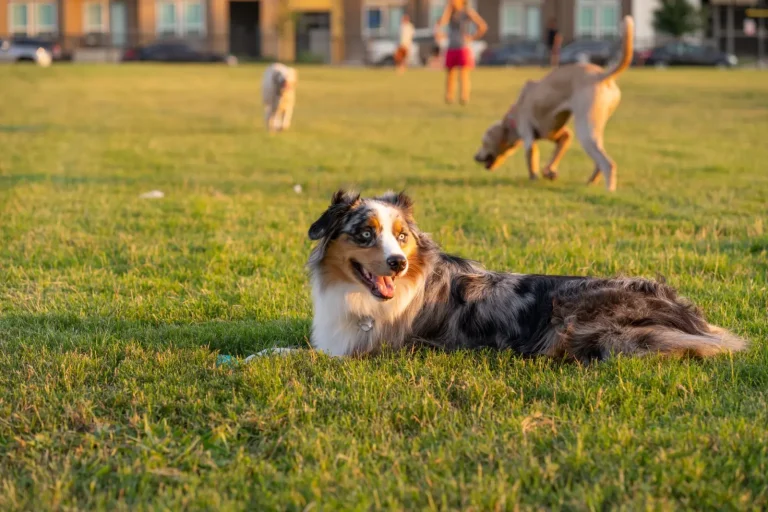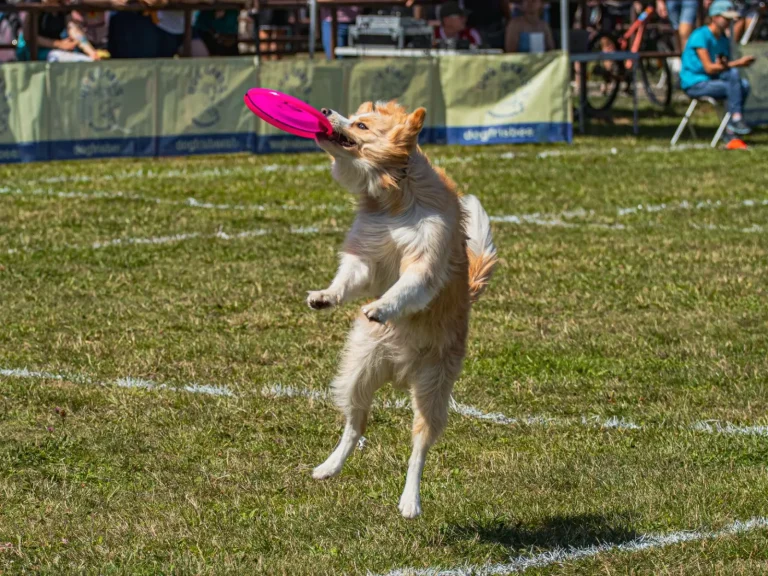

Australian Shepherds are often described as high-energy dogs, and that’s accurate enough, but it misses something important. The energy itself isn’t the real problem. What matters is what that energy is directed toward and what happens when it isn’t channeled properly. Over the years, I’ve noticed that owners who struggle most with their Aussies aren’t necessarily the ones who walk less – they’re the ones who don’t understand the difference between a walk that burns calories and a walk that actually engages the dog’s mind.
The distinction matters because these two types of walks produce different outcomes, and a dog that gets one without the other will still show signs of restlessness or frustration, even after a solid hour outdoors. An Australian Shepherd’s brain is wired to work. They were bred to herd livestock across rough terrain, making independent decisions about movement and pressure. That genetic legacy doesn’t disappear because a dog lives in a suburban home. It just finds new outlets, not always the ones you want.
What Exercise Walks Actually Do
An exercise walk is straightforward: forward movement, sustained pace, cardiovascular demand. You’re moving the dog’s body through space at a tempo that elevates heart rate and uses muscle. A typical exercise walk for an Aussie might be 45 minutes to an hour at a brisk pace, or 30 minutes of running alongside a bike. The dog’s legs are working, breathing is elevated, and by the end, there’s genuine physical fatigue.
This has real value. Physical tiredness does reduce certain behaviors – a dog that’s genuinely worn out is less likely to jump on visitors or demolish the couch. But here’s what I’ve observed repeatedly: exercise alone doesn’t solve behavioral issues in Aussies the way it does in some other breeds. A physically tired Australian Shepherd can still be mentally restless. They might lie down and pant, then get up 20 minutes later and start pacing or obsessing over a toy. The body is satisfied; the mind isn’t.
Exercise walks also tend to follow a predictable pattern. Same route, same pace, same stimuli. After a few weeks, the dog’s nervous system adapts. The walk becomes routine. The novelty wears off, and the mental engagement drops even if the physical demand stays the same. I’ve seen dogs who seemed to need less and less from their exercise walks over time, not because they got fitter, but because their brains stopped finding anything new in the experience.
Enrichment Walks and Cognitive Engagement
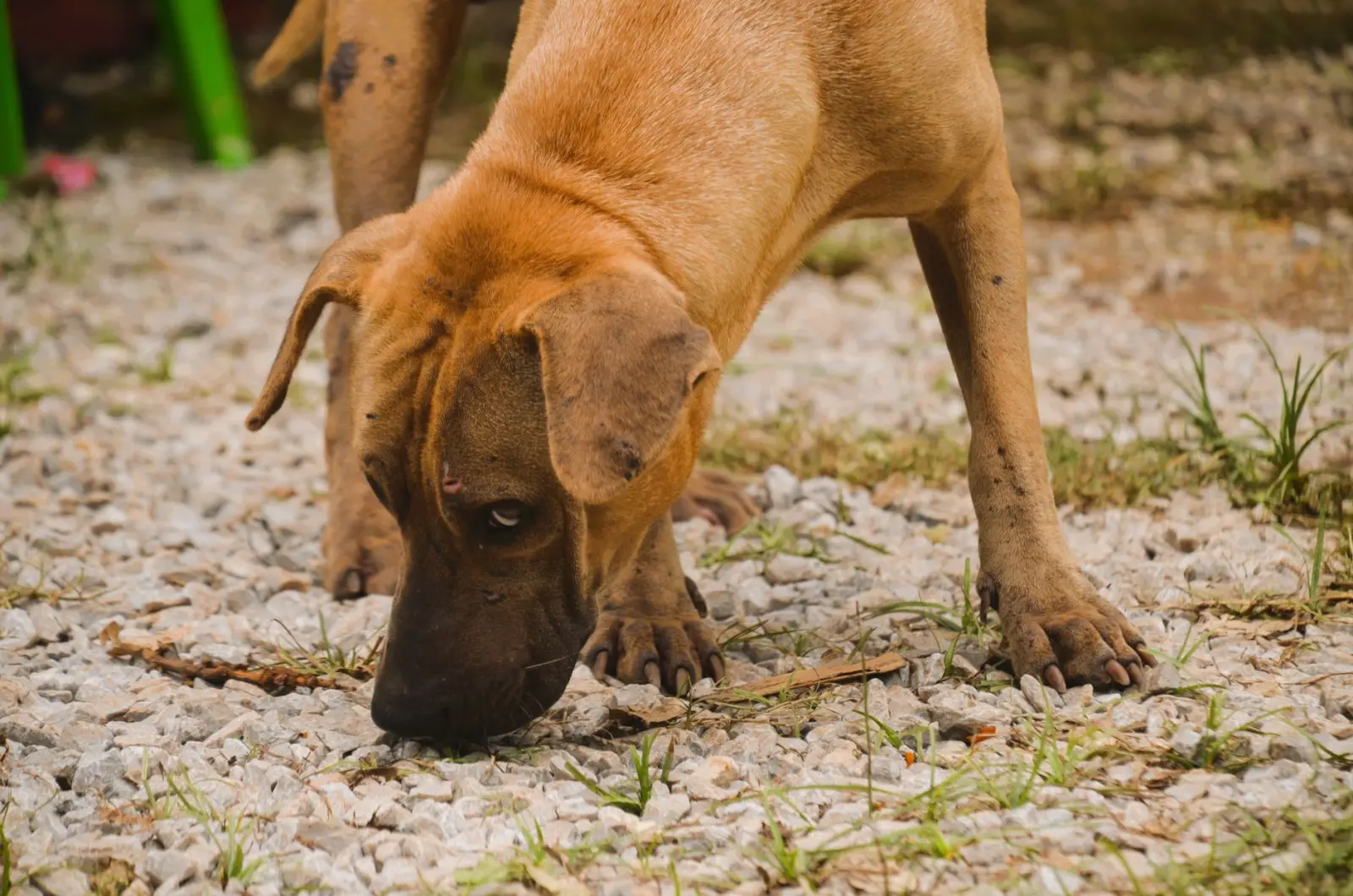
An enrichment walk is different in almost every way. The pace is slower and variable. The route changes frequently. The dog is encouraged to investigate, sniff, explore, and make decisions about where to go and what to examine. A 30-minute enrichment walk might cover only a mile, but the dog’s nose is working the entire time, processing scent layers, tracking, and problem-solving. The mental load is high even though the physical exertion is moderate.
This type of walk taps into what Australian Shepherds are actually built for. Herding work isn’t about running fast in a straight line. It’s about reading terrain, responding to movement, making decisions, and maintaining focus over time. An enrichment walk lets the dog use those capacities in a controlled way. The dog is working, even if it doesn’t look like traditional exercise.
What I’ve noticed is that enrichment walks produce a different kind of tiredness. A dog returns from an enrichment walk with a settled demeanor. Not just physically tired, but mentally satisfied. There’s a calmness that persists for hours afterward. The dog is more likely to rest genuinely, not just collapse and then become restless again. The behavioral problems that plague many Aussie owners – the obsessive behaviors, the inability to settle, the constant need for stimulation – often improve more noticeably after consistent enrichment work than after pure exercise.
Why Owners Often Choose One Over the Other
The reason many people default to exercise walks is simple: they’re easier to measure and plan. You can time them, track distance, and see the dog’s physical response. Enrichment walks require more attention and flexibility. You have to let the dog lead sometimes, follow interesting scents, backtrack if something catches their attention. It’s less efficient in terms of covering ground or hitting a fitness target.
There’s also a cultural narrative around dog exercise that emphasizes “tiring them out.” The idea that a tired dog is a good dog runs deep. Exercise walks align with that narrative. You can tell yourself you’ve done your job because the dog is visibly exhausted. Enrichment walks don’t have that same obvious marker. A dog sniffing for 30 minutes might look like it’s just wandering around, not working hard. But neurologically, the dog is engaged in complex processing.
Time constraints push people toward exercise walks too. A 45-minute brisk walk fits into a schedule more easily than an open-ended enrichment walk where you don’t control the pace. If you’re trying to fit dog care into a busy day, the exercise walk feels more efficient. You can multitask mentally or listen to a podcast while the dog runs. An enrichment walk demands your attention and presence.
The Reality of Doing Both
In my experience, Australian Shepherds do best with a combination of both. Not because they need endless activity, but because the two types of walks serve different purposes and neither fully replaces the other. An Aussie getting only exercise walks will eventually show signs of mental frustration. One getting only enrichment walks might develop physical issues from insufficient cardiovascular work, though this is less common than the reverse problem.
A practical rhythm I’ve seen work well is one or two exercise sessions per week – a run, a bike ride, or a fast-paced walk – paired with several enrichment-focused outings. The enrichment walks can be shorter in duration but happen more frequently. This combination addresses both the physical and cognitive needs without requiring an unrealistic time commitment.
The type of enrichment walk also matters. A walk where the dog is on a tight leash and you’re controlling direction isn’t enrichment; it’s just a slower exercise walk. Real enrichment requires some freedom to explore, sniff, and investigate. This might mean using a longer lead, finding areas where the dog can safely roam, or simply being willing to follow the dog’s nose instead of your planned route.
Seasonal changes and individual variation also play a role. Some Aussies are naturally more driven to work and will need more engagement. Others are calmer and might be satisfied with less. Age matters too. A young dog in their first few years will have different needs than a mature dog. And weather affects what’s realistic. In summer heat, an enrichment walk might be the only sensible option, while winter might allow for more vigorous exercise.
What I’ve learned from working with many Australian Shepherds is that the problem isn’t usually that owners are doing too little. It’s that they’re doing one thing repeatedly without adjusting for what the dog actually needs. The dog’s behavior will tell you when something is missing. Restlessness, obsessive behaviors, and difficulty settling are often signs that enrichment is lacking. Behavioral issues that persist despite lots of exercise often resolve when mental engagement increases. Paying attention to those signals is more useful than following any fixed schedule.