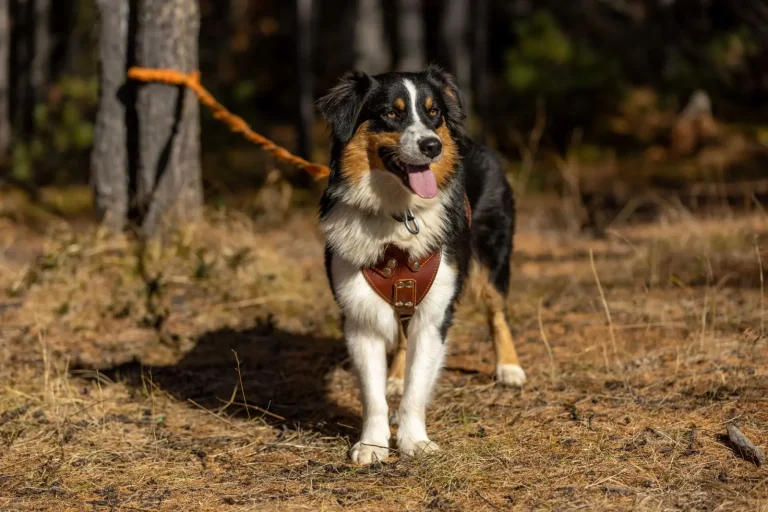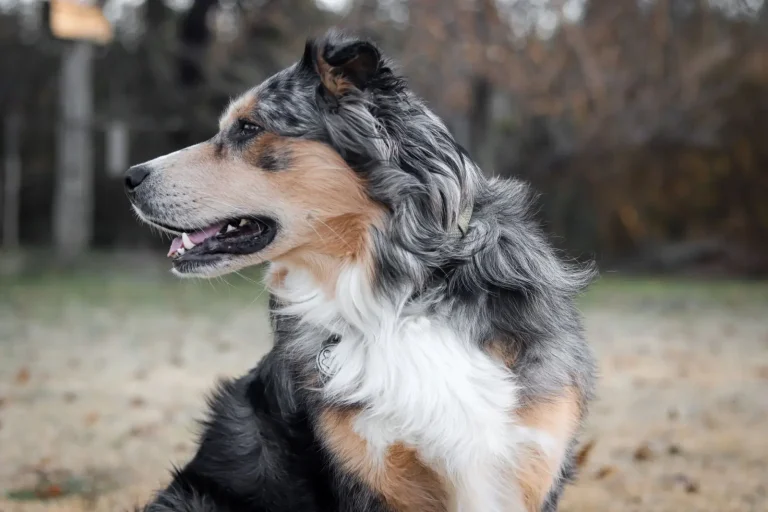

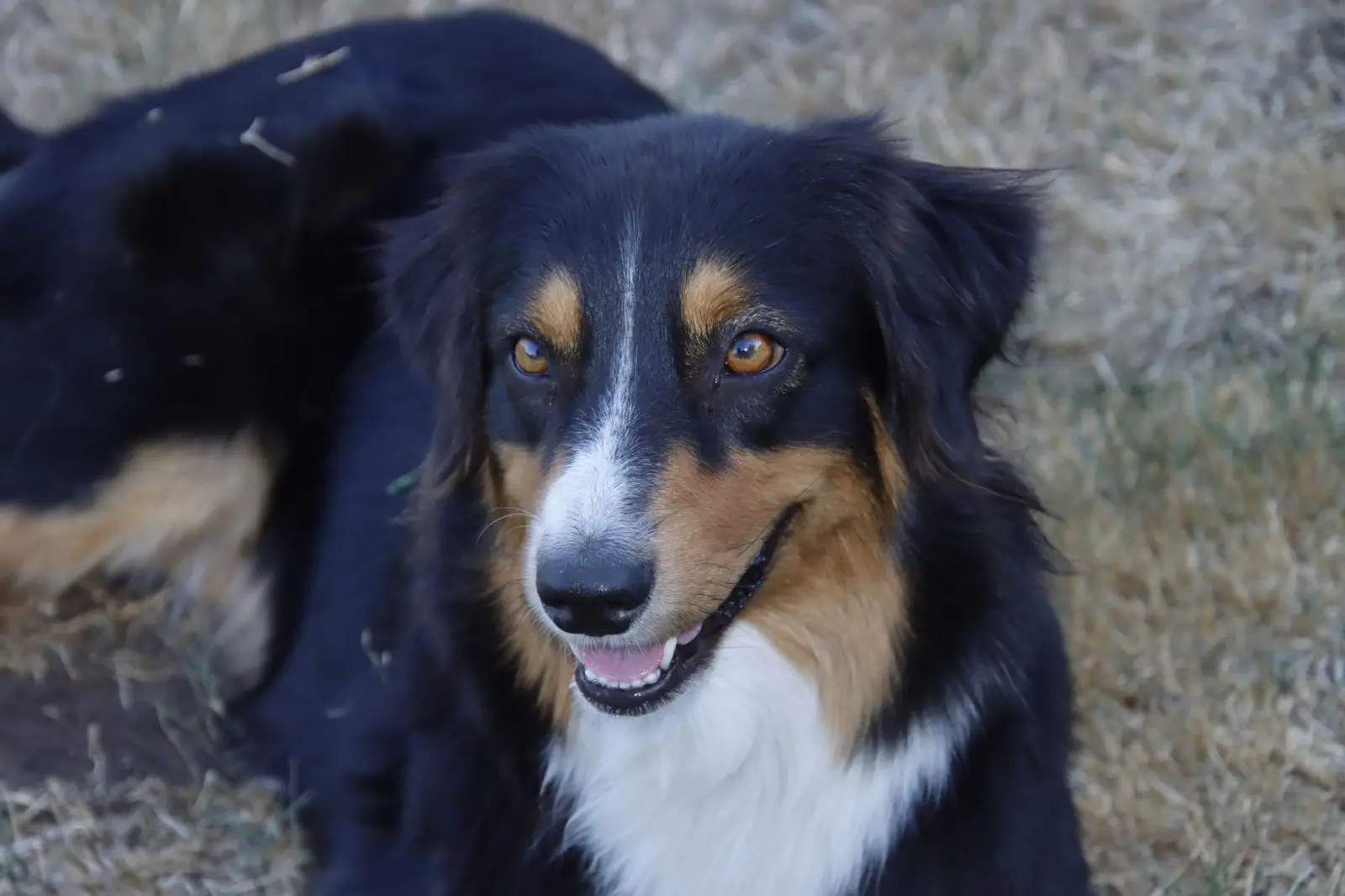
Australian Shepherds chase. It’s not a behavioral problem or a sign of poor training – it’s what they were built to do. I’ve worked with dozens of these dogs over the years, and the ones whose owners understand this simple fact tend to have far fewer issues than those who treat chasing as something to eliminate entirely. The breed was developed to herd livestock across rough terrain, which means their instinct to pursue moving objects is deeply embedded in their neurology. Trying to remove it is like trying to remove a dog’s need to sniff. It won’t work, and the frustration on both sides builds quickly.
What I’ve observed most often is that owners misinterpret what their Shepherd is doing. A dog fixating on a squirrel or darting after a child on a bike isn’t being disobedient or aggressive – they’re following an impulse that feels as natural to them as breathing. The problem isn’t the instinct itself. The problem is usually that the dog hasn’t learned where and when that instinct is appropriate, or the owner hasn’t provided adequate outlets for it. An under-exercised Shepherd with nowhere to direct their chase drive becomes a dog who will find their own targets, often in ways that create conflict with family members, other pets, or neighbors.
The Difference Between Channeling and Suppressing
There’s a meaningful distinction between managing a chase instinct and trying to eliminate it. Suppression typically involves punishment or restriction – keeping the dog on a short leash, correcting them every time they show interest in movement, limiting their outdoor time. I’ve seen this approach backfire repeatedly. The drive doesn’t disappear; it builds pressure. The dog becomes anxious, obsessive, or develops fixations that are harder to work with than the original behavior. Some dogs become so frustrated that they redirect their energy toward things like obsessive toy play, fence running, or even aggression toward other dogs.
Channeling is different. It means giving the dog appropriate, structured opportunities to chase and pursue. This satisfies the underlying need while teaching the dog discrimination – understanding which chases are acceptable and which aren’t. An Australian Shepherd who gets regular access to chase games, herding activities, or fetch work in a controlled setting is typically calmer and more responsive during everyday life. The pressure is released regularly, which makes them less likely to chase the neighbor’s cat or fixate on joggers.
Exercise That Actually Addresses the Issue
I need to be direct here: a 20-minute walk around the block doesn’t cut it for most Australian Shepherds, especially younger ones. Walking is fine for general fitness, but it doesn’t address the chase instinct specifically. These dogs need activities that involve pursuit, direction changes, and the kind of mental engagement that mimics herding work. Fetch is the most straightforward option. A dog who spends 15 to 20 minutes several times a week chasing a ball or toy across an open space gets exactly what their nervous system is asking for. The repetition, the speed, the stopping and starting – it all satisfies the drive in a way that passive exercise doesn’t.
The key is consistency and intensity. A Shepherd who gets vigorous chase activity three or four times a week shows noticeably different behavior than one who gets it once a month. I’ve seen dogs transform within two weeks of adding regular fetch sessions. They’re calmer indoors, less reactive to movement outside, and more responsive to recall. The difference isn’t subtle. It’s the kind of change that makes owners wonder why they didn’t do it sooner.
Herding trials, dock diving, or flirt pole work are excellent if you have access to them, but they’re not necessary. A tennis ball and an open field work just fine. What matters is that the activity involves sustained pursuit and gives the dog permission to move fast and chase without correction. Some owners worry this will make the dog chase more, but the opposite is typically true. A dog whose chase drive is regularly satisfied becomes less obsessive about incidental movement in daily life.
Teaching Discrimination in Real Situations
Once a dog is getting adequate outlet for their drive, training becomes more effective. An under-exercised dog won’t respond well to “leave it” or recall commands when a squirrel appears, because the need to chase is overwhelming. A well-exercised dog can actually think and respond to instruction. This is where the real management happens.
The goal is teaching the dog that some chases are okay and others aren’t. A Shepherd should learn that chasing a toy you throw is fine, chasing a cat is not, and chasing a child on a bike requires permission or isn’t allowed at all. This isn’t about punishment. It’s about consistency and clear boundaries. When a dog shows interest in chasing something inappropriate, a calm redirect – calling them to you, asking for a sit, offering an alternative – works far better than a correction. Reward the choice to disengage. Over time, the dog learns that looking at you when movement happens is more rewarding than the chase itself.
Environment Matters More Than You Might Think
I’ve noticed that environmental setup prevents a lot of problems before they start. A Shepherd who spends time in a securely fenced yard where they can move freely and chase safely is less likely to develop problematic chasing behaviors than one who’s confined to a small space or kept on a leash constantly. The fence doesn’t solve the issue, but it gives the dog an outlet and prevents them from rehearsing chasing behavior that you can’t control.
Similarly, managing what the dog is exposed to matters. If your Shepherd has a strong fixation on joggers or cyclists, avoiding those situations during the learning phase isn’t failure – it’s smart management. You’re preventing the dog from practicing the very behavior you’re trying to discourage. Once the dog has better impulse control and a solid outlet for their drive, you can gradually introduce those situations with better results.
Some dogs benefit from wearing a long line during off-leash time in open areas, especially if recall isn’t reliable yet. This gives you a way to interrupt a chase if needed without chasing the dog yourself, which often turns into a game. The long line is a management tool, not a permanent solution, but it prevents the dog from learning that they can successfully chase things you can’t catch.
Age and Individual Variation
Younger Shepherds, especially those under three years old, typically have higher chase drive and less impulse control. This is normal. I don’t expect a one-year-old Shepherd to ignore a squirrel with the same reliability as a five-year-old. The drive is stronger, the brain is still developing, and the dog hasn’t had years of practice making good choices. This is another reason why consistent exercise and training during the younger years pays off significantly. You’re building habits and neural pathways that persist into adulthood.
That said, individual dogs vary. Some Shepherds are naturally more intense about chasing than others. Genetics, early experience, and temperament all play a role. A dog who was allowed to chase freely as a puppy may develop stronger fixations than one who was managed more carefully from the start. This doesn’t mean you’re stuck with a problem dog, but it does mean you may need to be more deliberate about exercise and training if the behavior is already established.
What I’ve found is that Australian Shepherds respond well to having a job. Whether that’s formal herding work, regular fetch sessions, or even structured games at home, these dogs thrive when their drive is acknowledged and channeled. The owners who struggle most are usually those who expect the dog to simply not chase, as if the instinct can be trained away. The owners who do well are those who accept the instinct as part of the breed and build their management and training around it. That shift in perspective – from fighting the dog’s nature to working with it – makes all the difference.