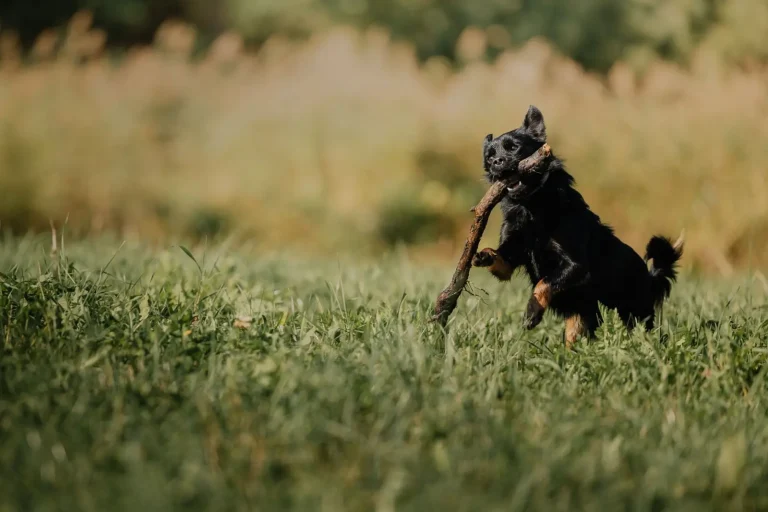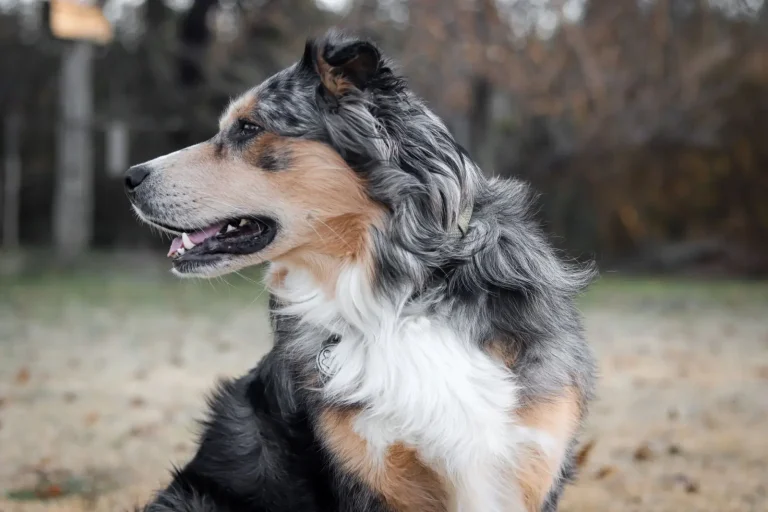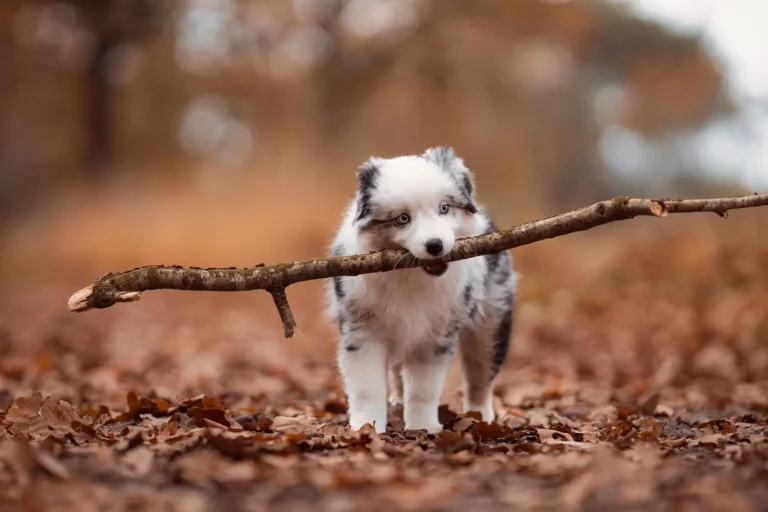

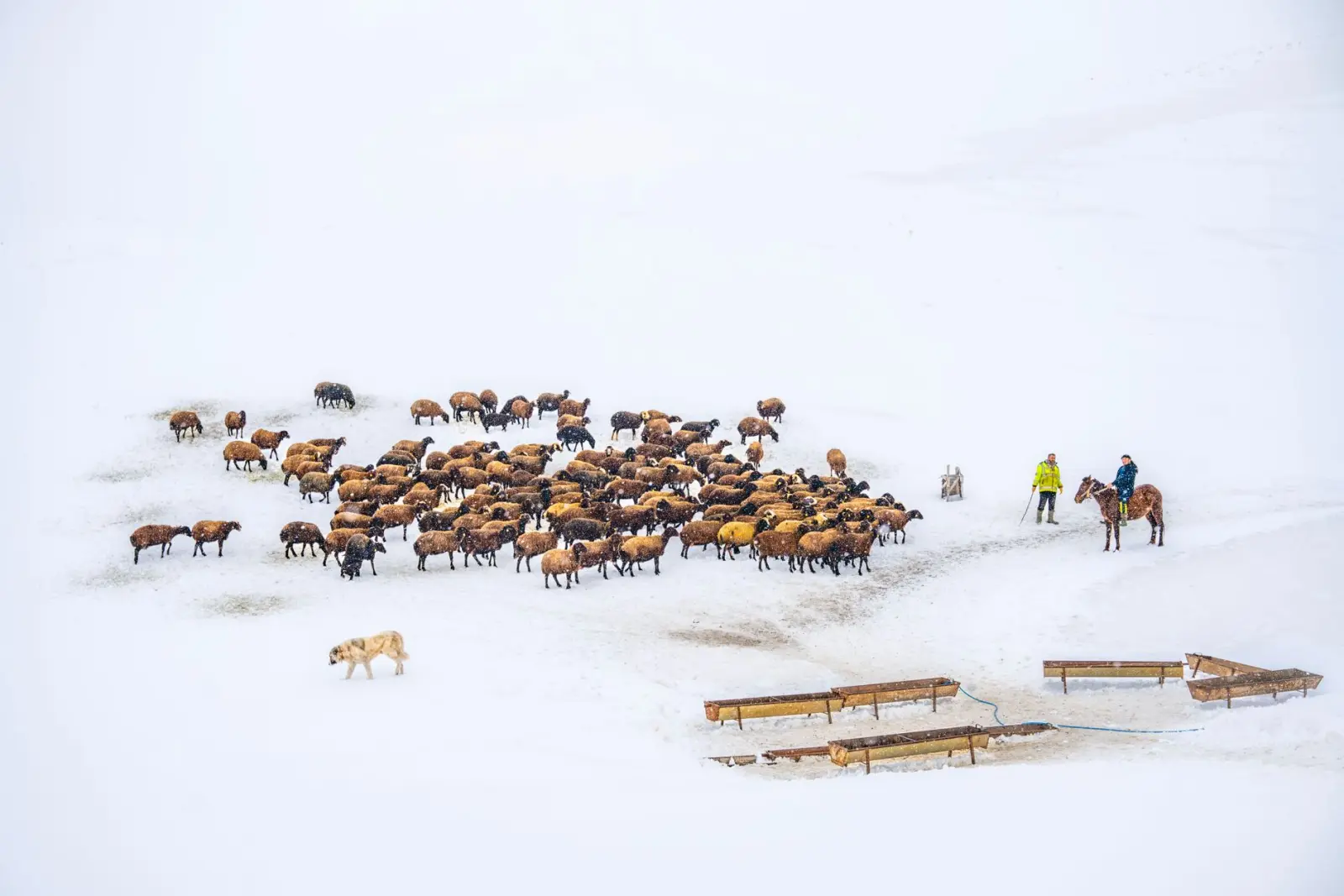
After working with Australian Shepherds for years, I’ve noticed that owners often misread what motivates these dogs. They assume food works universally, or that praise alone will keep a dog engaged. With Aussies, the reality is more nuanced. These dogs have been shaped by generations of herding work, and that history shows up in unexpected ways – not just in how they move, but in what actually holds their attention and drives their behavior.
The first thing to understand is that Australian Shepherds are not uniformly treat-motivated. Some are, certainly, but many will work for something far less tangible: the opportunity to do something, to engage with a task, or to be near you while something interesting happens. I’ve seen dogs turn down high-value food rewards to chase a ball or work through a puzzle. The food sits ignored. The dog’s focus is elsewhere. This isn’t stubbornness or a lack of hunger. It’s priority. For many Aussies, activity and engagement rank higher than consumption.
The Role of Work and Purpose
Australian Shepherds were bred to move livestock across open terrain, making decisions in real time, responding to subtle cues, and maintaining focus for hours. That genetic blueprint doesn’t disappear in a pet dog living in a suburban home. What it means is that many Aussies are genuinely motivated by having a job to do – even if that job is artificial or invented by you. A dog asked to “find it” in the yard, to navigate an obstacle course, or to learn a new command often shows more enthusiasm than a dog offered a treat for sitting still.
This is where many owners get stuck. They expect motivation to flow from rewards given after the behavior. But with Aussies, the motivation often exists in the activity itself. The dog wants to work. The treat or praise is secondary. I’ve watched owners spend months trying to train a recall with food rewards, frustrated because the dog keeps choosing to herd the neighbor’s cat instead. Then the same owner sets up a structured game where the dog has to come back to engage in something more interesting – a chase, a retrieve, a search – and suddenly the recall improves dramatically. The dog wasn’t unmotivated. The dog was motivated by something else.
Attention and Proximity as Reinforcement
Many Australian Shepherds are intensely focused on their owner’s attention and presence. This can manifest as what looks like neediness, but it’s often closer to work ethic. The dog wants to know what you’re doing, whether you need help, and whether something interesting might happen. For these dogs, your attention is itself a motivator. Being near you, being included in your activity, having you notice what they’re doing – these can be more reinforcing than food.
I’ve noticed this particularly with dogs that were raised with consistent interaction and clear communication. They develop a kind of partnership mentality. They’re watching you. They’re waiting for direction or permission. And when you acknowledge that – when you look at them, speak to them, or invite them into an activity – you’ve just delivered a powerful reward. This is why some Aussies will repeat a behavior endlessly if you’re paying attention to it, even if you’re not giving treats. The attention itself is the payment.
This can work for you or against you, depending on context. If you’re trying to train a behavior and your dog is highly attention-motivated, you might not need elaborate food rewards. A simple “yes” and eye contact might be enough. But if your dog has learned that jumping on you gets attention, or that barking gets a reaction, you’ve accidentally reinforced those behaviors with the very thing the dog craves most. The dog isn’t being difficult. The dog is responding logically to what you’ve taught them motivates them.
Novelty and Problem-Solving
Australian Shepherds tend to show strong interest in novelty and change. A new toy loses appeal quickly, but a puzzle that requires them to figure something out often holds their attention longer. The mental engagement is the draw. I’ve seen dogs that ignore a treat-dispensing toy for days suddenly become obsessed with it once they understand how to work it. The moment of understanding, the solving of the puzzle, appears to be rewarding in itself.
This trait has practical implications for motivation. If you’re using the same training game or the same toy every day, an Aussie may lose interest not because they’re bored with you, but because there’s no novelty or challenge left. Rotating toys, changing training locations, varying the sequence of commands, or introducing new elements keeps the mental engagement high. The dog stays motivated because there’s still something to figure out.
Some owners interpret this as a sign their dog needs constant stimulation or they’ll become destructive. That’s partly true, but it’s more precise to say that Aussies need engagement that matches their cognitive level. A dog that’s understimulated will create their own problems. But a dog given appropriate mental challenge – even for short periods – often settles more easily than a dog that’s been exercised physically but not mentally engaged.
Herding Drive and Movement
The herding instinct is real and it shapes motivation in ways that aren’t always obvious. Some Australian Shepherds are intensely motivated by movement – chasing, pursuing, or controlling motion. This can look like prey drive, but it’s often specifically herding behavior. The dog wants to move things, to follow movement, to engage with motion in a purposeful way.
Understanding this matters because it changes how you work with the dog’s natural drives rather than against them. A dog with strong herding motivation might be more engaged by a flirt pole or a chase game than by traditional fetch. The appeal isn’t just the running; it’s the control and the pattern of movement. I’ve seen dogs that seemed unmotivated by standard training suddenly engage enthusiastically when the training incorporated movement patterns they found meaningful.
This is also why some Aussies struggle in homes without enough space or activity. They’re not just bored. They’re frustrated in their inability to engage with a drive that’s wired into them. Giving them appropriate outlets – herding classes, agility, or even structured games that let them use that instinct – often transforms their behavior and their apparent motivation level.
What motivates an Australian Shepherd is rarely a single thing. It’s usually a combination shaped by their individual temperament, their history, and what they’ve learned works in your household. The dog that seems unmotivated by food might be waiting for you to engage with them directly. The dog that ignores toys might be looking for a job. The dog that won’t settle might be asking for mental challenge, not just physical exercise. The more carefully you observe what your dog actually chooses to do when given options, the clearer their real motivations become.