

Australian Shepherds are often described as high-energy dogs, and that’s accurate, but the real issue isn’t the energy itself – it’s what they do with it. Over years of working with this breed, I’ve noticed that the dogs who develop serious behavioral problems aren’t always the ones getting the most exercise. They’re usually the ones whose energy has no direction. An Aussie without a job becomes inventive in ways you won’t enjoy: destructive chewing, obsessive behaviors, fence running, and aggression that seems to come from nowhere. The breed was built to move livestock across rough terrain and make split-second decisions. That instinct doesn’t disappear because you live in a suburban neighborhood.
The distinction between activity and purpose matters more than most people realize. A long walk is fine, but it’s not the same as herding practice or a structured training session where the dog has to think. I’ve seen Aussies collapse contentedly after an hour of focused work that would barely tire them if it were just running around a yard. The mental component is what actually exhausts them in the way they need.
Herding and Stock Work
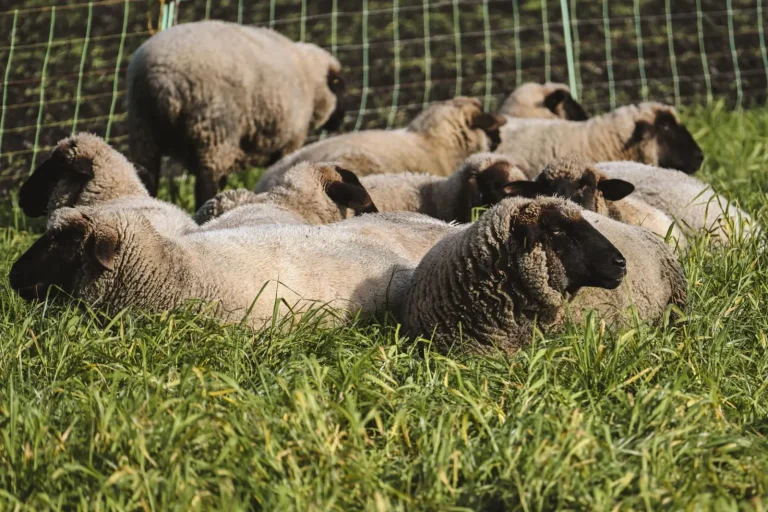
If you have access to livestock, herding is the most direct answer. It’s what the breed was designed for, and there’s no substitute for the real thing. The dog gets to use its instincts in a controlled context, and the physical and mental demands are substantial. Even a few hours of herding work a week can transform an Aussie’s behavior at home. I’ve worked with dogs that were considered “problem cases” until their owners found a local farm or herding club. Within weeks, the destructive behavior stopped, the focus improved, and the dog was visibly calmer.
Herding trials and herding classes exist in most regions, even if you don’t own livestock. These organized settings teach the dog to respond to commands while working, which adds another layer of discipline to the instinctive behavior. The dog learns that herding happens on your terms, not whenever it decides to chase the neighbor’s cat or nip at children.
Agility and Obstacle Work
Agility appeals to Aussies because it combines physical challenge with obedience and problem-solving. The dog has to navigate obstacles while listening to your direction, which engages both body and mind. I’ve found that dogs who compete in agility, even casually, show marked improvement in focus and impulse control in everyday situations. They learn that paying attention to you has immediate rewards, and they get the intense physical exertion they need.
The beauty of agility is that you don’t need a competition-level setup to benefit. A few jumps, a weave pole set, and a tunnel in your yard can provide regular training sessions that keep the dog engaged. The variety matters too. Unlike running, which becomes routine, agility work changes regularly, which keeps the dog’s brain active.
Structured Retrieval and Fetch Games
Fetch seems simple, but there’s a difference between casual throwing and structured retrieval work. Aussies have strong prey drive, and channeling that into fetch games with rules – wait for release, bring it back, drop on command – gives them an outlet that’s both physically demanding and mentally engaging. I’ve used fetch as a primary exercise tool, and it works well, but only when the dog understands the structure. Free-form chasing doesn’t have the same effect.
Variations matter. Fetch over obstacles, fetch in water, fetch with multiple objects that the dog has to distinguish between – these add complexity that keeps the dog from zoning out. Some Aussies will fetch for as long as you’re willing to throw, which is excellent for burning energy, but the real benefit comes when you add rules and variation.
Treibball and Pushing Games
Treibball is less common than agility or herding, but it’s worth mentioning because it appeals directly to the Aussie’s herding instinct in a different way. The dog pushes large balls into a goal, which mimics the movement and decision-making of herding without requiring livestock. It’s intellectually engaging and physically demanding. I’ve seen it used effectively with Aussies who didn’t have access to herding but needed that type of work.
Even simpler pushing games – having the dog move objects around a yard or through a course – tap into the same instinct. The dog feels like it’s doing real work, which matters psychologically.
Training and Trick Work
Don’t underestimate the value of regular training sessions. Aussies are responsive to training, and they actually enjoy it when it’s done well. A 20-minute session where the dog learns new commands or refines existing ones can be more tiring than a long, aimless walk. The focus required, the problem-solving, and the reward structure all engage the dog’s mind in ways that pure exercise doesn’t.
Advanced trick work, nose work, and scent detection training all fall into this category. These activities are less physically intense than herding or agility, but they satisfy the mental need that’s often the real issue. An Aussie that’s mentally stimulated is less likely to create its own entertainment through destructive behavior.
Running and Distance Work
Running alongside a bike or with a runner is something many Aussies excel at, and it’s a legitimate way to burn physical energy. Some dogs are built for distance work, and if you’re an active person, this can be a natural fit. However, I’ve seen owners rely on running as the primary outlet and still end up with behavioral problems because the dog’s mind isn’t being challenged. Running is good, but it shouldn’t be the only activity.
The best approach I’ve observed is combining running or long walks with something that requires focus. An Aussie that runs in the morning and does training or herding work in the afternoon is typically much better balanced than one that just runs.
The common thread in all of these activities is that they give the dog a sense of purpose and responsibility. An Aussie that knows its job – whether that’s herding, agility, fetch, or training – is a dog that settles down at home because it’s been given what it actually needs. The energy is still there, but it’s directed, and that makes all the difference in living with the breed.