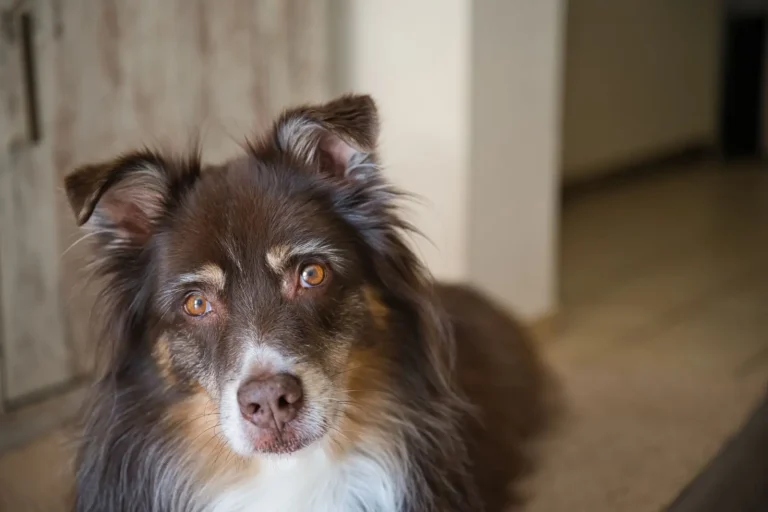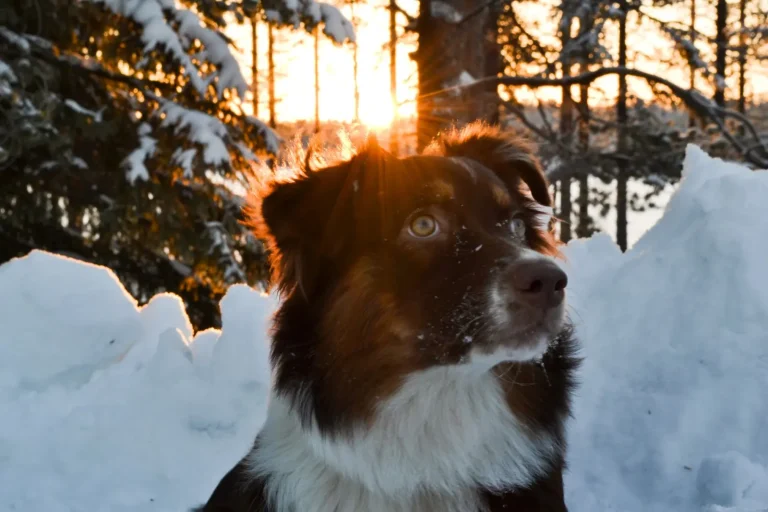

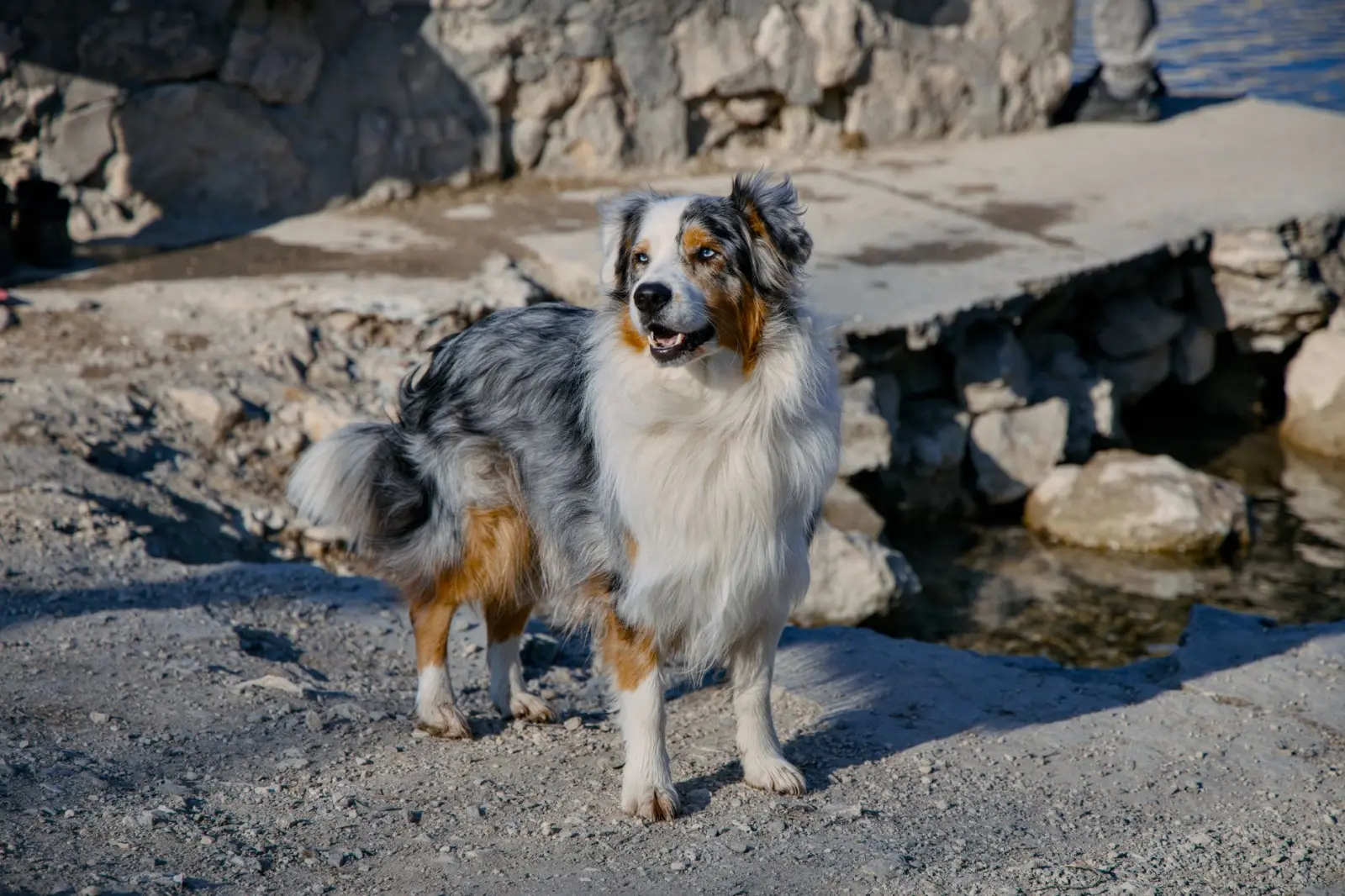
Australian Shepherds come in two distinct coat types, and the difference between them matters more than most people realize when they’re deciding whether to bring one home. After years of working with both varieties, I’ve seen firsthand how coat type shapes everything from daily grooming demands to seasonal shedding patterns and even how the dog handles different climates. The breed standard recognizes both equally, yet many people encounter an Aussie without fully understanding which version they’re looking at or what that means in practical terms.
The two coat types are rough and smooth. This isn’t about color or markings – it’s purely about hair length and texture. The rough coat is what most people picture when they think of an Australian Shepherd: longer, feathered hair that flows around the legs, chest, and tail. The smooth coat is considerably shorter all over, with a dense undercoat but no obvious feathering or fringe. Both coats serve the same purpose and come from the same genetic pool. A rough-coated and smooth-coated Aussie from the same litter are equally purebred, equally valid, and equally capable as working or companion dogs.
The Rough Coat
The rough coat is the more visually striking of the two. The outer guard hairs are longer and somewhat coarser, creating that distinctive feathered appearance on the legs, chest, and tail. The undercoat is dense and soft, which is what actually provides insulation. Many people assume the longer hair is what keeps them warm, but it’s really the undercoat doing the work. The guard hairs are there for protection and water resistance.
What I’ve noticed over time is that rough-coated Aussies shed noticeably more than their smooth-coated counterparts. During spring and fall shedding seasons, a rough coat sheds in visible waves. You’ll find hair on furniture, clothing, and floors in quantities that surprise first-time owners. A slicker brush and undercoat rake become essential tools, not optional accessories. Brushing twice a week during heavy shedding seasons keeps the situation manageable. Skipping this creates mats, particularly behind the ears, under the armpits, and on the rear legs where feathering is heaviest.
The rough coat also requires more attention to the feet and feathering between the pads. Hair grows between the toes, and if left unattended, it can trap moisture and debris, leading to irritation or infection. This isn’t a major issue if you stay on top of it, but it’s easy to overlook if you’re not expecting it. Trimming the hair between the pads every 4 to 6 weeks prevents most problems.
The Smooth Coat
The smooth coat is denser and more uniform in appearance. At first glance, it might look short and low-maintenance, but that’s misleading. The undercoat is just as thick as a rough coat’s, which means the shedding is still substantial, just less visible. You won’t see long hairs accumulating on your furniture in the same dramatic way, but you’ll still find fine undercoat hair everywhere during shedding seasons.
Grooming a smooth coat is actually different from grooming a rough coat, not easier. A slicker brush works, but many smooth-coated Aussies benefit more from a high-velocity dryer and undercoat rake during shedding season. The shorter hair doesn’t tangle easily, so matting isn’t the concern it is with rough coats. However, the dense undercoat still needs to be removed regularly to prevent skin issues and reduce the volume of hair shed into your home.
One advantage I’ve observed with smooth coats is that they’re less prone to picking up debris during outdoor work or play. Long feathering on a rough coat catches burrs, mud, and plant material. A smooth coat sheds these more easily. For owners who work their dogs in brush or rough terrain, this can be a genuine practical benefit.
Genetics and Breeding
Coat type is determined by a single gene pair. Rough is dominant, smooth is recessive. This means two rough-coated parents can produce smooth-coated puppies if both carry the recessive gene. Two smooth-coated parents will always produce smooth-coated puppies. In responsible breeding, both coat types appear in litters intentionally, and breeders don’t favor one over the other based on the breed standard alone.
I’ve worked with breeders who specialize in one coat type or the other, and the decision is usually driven by their own preferences and what they see working well in their lines. Some breeders prefer rough coats for the visual impact and traditional look. Others prefer smooth coats for the practical advantages in certain working contexts. Neither choice indicates better breeding or healthier dogs.
Climate and Performance Considerations
There’s a persistent myth that rough coats are better for cold weather and smooth coats for heat. The reality is more nuanced. Both coats provide insulation through their dense undercoats. In cold climates, both types perform equally well. In hot climates, neither coat type is ideal for Australian Shepherds, as the breed wasn’t developed for extreme heat. That said, a smooth coat does shed heat slightly more efficiently because there’s less hair overall, even though the undercoat is just as dense.
What matters more than coat type in hot weather is access to shade, fresh water, and reasonable exercise timing. An Aussie working in summer heat needs management regardless of coat type. The rough coat’s longer hair can actually provide some UV protection, which is worth considering in very sunny climates.
For working dogs in wet conditions, the rough coat’s longer guard hairs shed water more effectively. The feathering can channel water away from the skin. A smooth coat still sheds water reasonably well thanks to the density of the undercoat, but rough coats have a slight edge in truly wet, muddy environments.
Health and Skin Considerations
Both coat types are prone to the same skin conditions if the undercoat isn’t maintained properly. Poor grooming habits lead to moisture retention, which creates an environment for yeast or bacterial issues. This happens equally in rough and smooth coats. The difference is that rough coat problems are often caught earlier because matting or obvious debris becomes visible. Smooth coat skin issues can develop more quietly because there’s less visual warning.
Regular brushing isn’t just about appearance or shedding management. It’s about keeping air circulating through the coat and preventing moisture buildup against the skin. An Aussie that spends time swimming or in humid environments needs more frequent grooming regardless of coat type.
Australian Shepherds in general have fairly robust skin and coat health when properly maintained. Neither coat type is inherently more prone to problems. The issues arise from neglect, not from the coat type itself.
The choice between rough and smooth ultimately comes down to personal preference and lifestyle. If you’re prepared for regular grooming and don’t mind visible shedding, a rough coat is striking and traditional. If you prefer less dramatic hair accumulation and slightly lower grooming demands, a smooth coat delivers that without sacrificing any of the breed’s working ability or temperament. Both require commitment. Both shed substantially. Both reward consistent care with healthy, functional coats that serve the dog well.