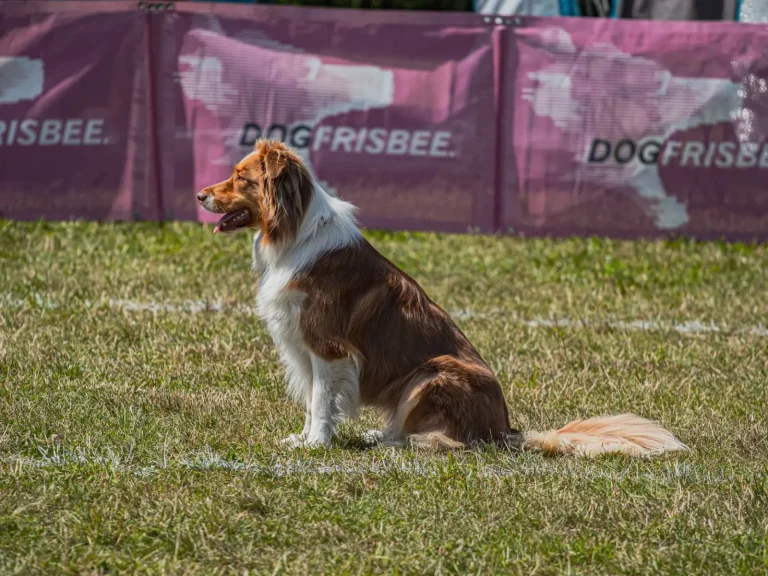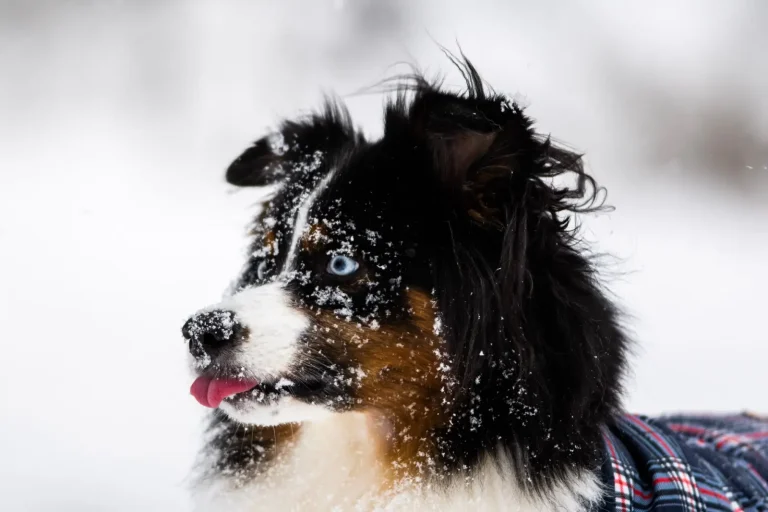

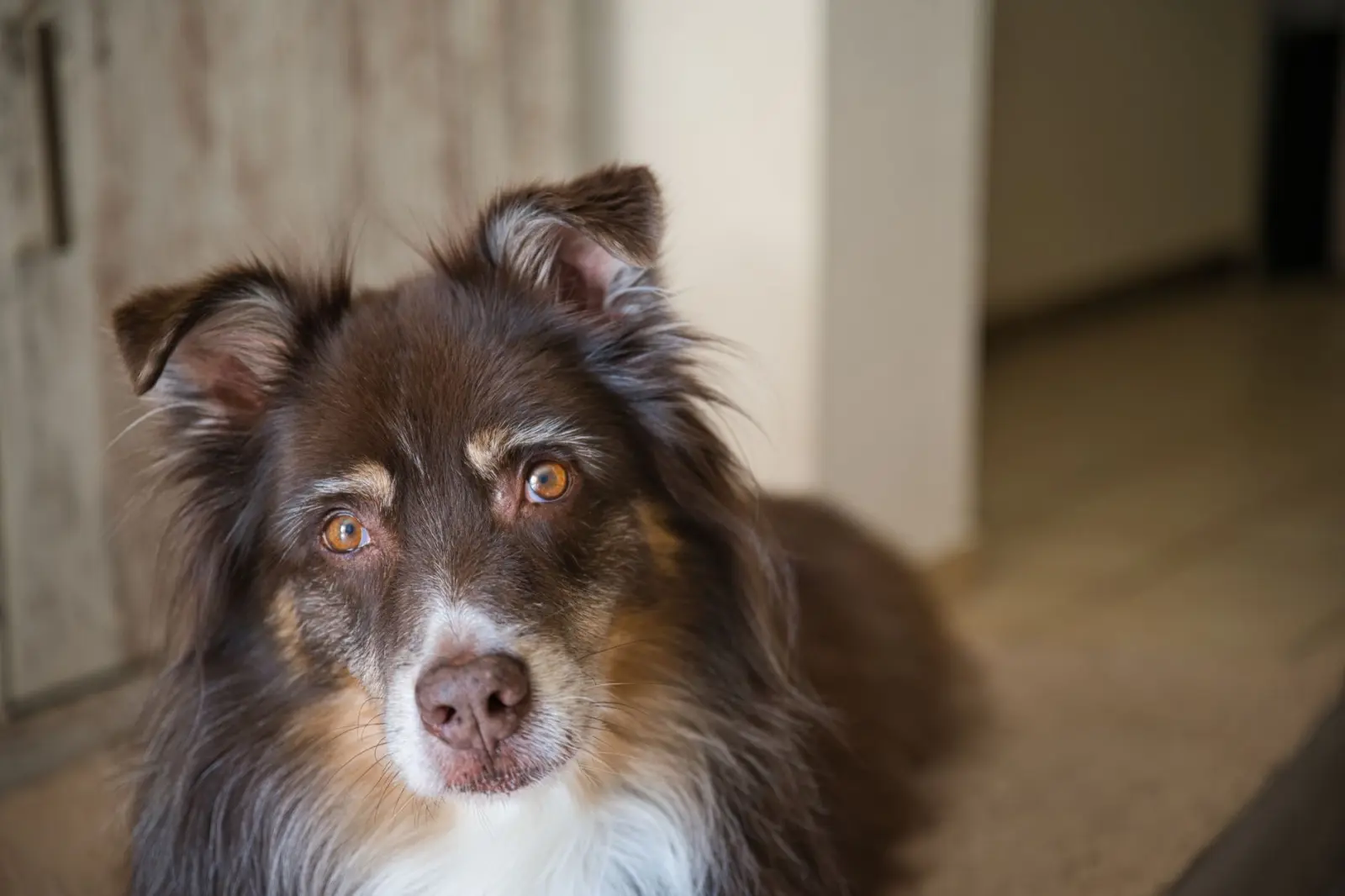
After years of working with both Australian Shepherds and Miniature American Shepherds, I’ve noticed that people often treat these breeds as simple size variants of each other. They’re not. While the Miniature American Shepherd was developed from Australian Shepherd bloodlines, the two breeds have diverged enough that understanding the actual differences matters before bringing one home. The confusion is understandable – they look related, they share herding instincts, and their names overlap. But living with one versus the other creates distinctly different daily realities.
The most obvious distinction is size, but that alone doesn’t capture what changes in practical terms. An Australian Shepherd typically weighs between 40 and 65 pounds and stands 18 to 23 inches at the shoulder. A Miniature American Shepherd runs 20 to 40 pounds and 13 to 18 inches tall. That’s a meaningful difference in space requirements, but more importantly, it affects how each breed interacts with their environment and the people around them. A full-sized Australian Shepherd occupies more physical presence – they move differently through a house, they require more robust fencing, and their play style tends to be more forceful simply because of their mass.
Energy and Exercise Needs
Both breeds are working dogs with substantial drive, but the intensity plays out differently. Australian Shepherds have what I’d describe as relentless energy. They were bred to work livestock across large properties, often for hours at a time. A typical adult Australian Shepherd needs serious exercise – not just a walk around the block. They thrive on structured activity: herding trials, agility work, fetch sessions in open space, or consistent running. Without adequate outlet, they become destructive in ways that go beyond typical boredom. They’ll obsess over movement, chase shadows, nip at children or other pets, and develop compulsive behaviors that are difficult to reverse.
Miniature American Shepherds have high energy too, but it tends to be more manageable for average households. They can meet their exercise needs through a combination of daily walks, play sessions, and mental stimulation. Many adapt reasonably well to apartment living if given consistent activity. That said, calling them “low energy” would be a mistake. They still need regular, purposeful exercise. The difference is one of degree and flexibility rather than kind. A Miniature American Shepherd can be satisfied with a structured 45-minute session plus mental enrichment. An Australian Shepherd often needs more, and they need it more frequently.
Temperament and Social Behavior
Australian Shepherds tend toward intensity in their relationships. They form strong bonds and often become one-person or one-family dogs. They’re attentive to their people in ways that can feel almost obsessive – tracking movement, responding to mood shifts, staying physically close. This makes them excellent working partners and loyal companions, but it also means they don’t always adjust well to being left alone or to households with frequent changes in routine. Separation anxiety appears regularly in the breed, and it’s not something that resolves quickly. Their herding instinct, which is deeply embedded, can express itself as nipping at heels, circling family members, or attempting to “herd” children during play.
Miniature American Shepherds display similar herding drives but often with a slightly softer edge. They’re still alert, still bonded to their people, but many seem to have a bit more flexibility in their social range. They can adapt to multiple caregivers more readily. They’re less likely to develop the intense separation anxiety that affects some Australian Shepherds. That said, individual variation is significant. I’ve met reserved Miniature American Shepherds and extremely social Australian Shepherds. Breeding lines matter, and early socialization shapes temperament considerably in both breeds.
Training and Responsiveness
Both breeds are intelligent and eager to work, which makes training straightforward in theory. In practice, their intelligence can work against inexperienced handlers. Australian Shepherds learn quickly but also learn what they can get away with just as fast. They need consistent, clear leadership and boundaries. They respond well to structured training but can become frustrated or stubborn if they perceive inconsistency. Their drive to work means they’re often happiest when they have a job – whether that’s formal training, a sport, or daily tasks. Without direction, that intelligence turns inward and manifests as problem-solving you didn’t ask for.
Miniature American Shepherds are similarly quick learners but often seem more forgiving of minor inconsistencies in handling. They’re still capable of being willful, but they tend to be slightly more adaptable to varying training styles. Both breeds benefit enormously from early socialization and exposure to different environments, people, and situations. This isn’t optional – it’s foundational to preventing fear-based or reactive behavior later.
Health and Longevity
Australian Shepherds generally live 12 to 15 years, while Miniature American Shepherds often reach 12 to 13 years. Both breeds share some genetic predispositions worth knowing about. Hip dysplasia appears in both, though it’s less common than in larger breeds. Collie Eye Anomaly, a heritable eye condition, occurs in Australian Shepherds and can appear in Miniature American Shepherds as well. Epilepsy has been documented in both breeds. Responsible breeders screen for these conditions and can provide health testing results. The smaller size of Miniature American Shepherds doesn’t necessarily mean fewer health issues – it just means different statistical risks in some cases.
Coat care is similar for both breeds. They shed year-round and heavily during seasonal coat blows. Brushing twice weekly during normal periods and several times weekly during shedding season is realistic, not optional. Both breeds have water-resistant double coats that require proper grooming, not shaving down for convenience. Improper coat care leads to matting, skin issues, and discomfort.
Space and Living Situation
An Australian Shepherd in an apartment is possible but requires genuine commitment to exercise and mental engagement. They need space to move and ideally access to outdoor areas where they can run. A yard helps, but it’s not a substitute for active exercise and interaction. Many Australian Shepherds in apartments develop behavioral issues simply because their exercise needs aren’t being met adequately.
Miniature American Shepherds adapt more readily to smaller living spaces, though they still need regular activity. They can thrive in apartments or smaller homes if their owners are consistent about exercise and engagement. The difference in adaptability is real, though it’s not a guarantee. An under-exercised Miniature American Shepherd will still develop problems.
The practical reality is that choosing between these breeds should start with honest assessment of your lifestyle, available time, and space. If you have land, enjoy outdoor work or sports, and want a dog that lives to work, an Australian Shepherd makes sense. If you want a herding breed with slightly more flexibility and lower absolute exercise requirements, a Miniature American Shepherd fits better into many households. Both are capable, intelligent dogs that demand respect for what they are. Neither is a casual choice, regardless of size.