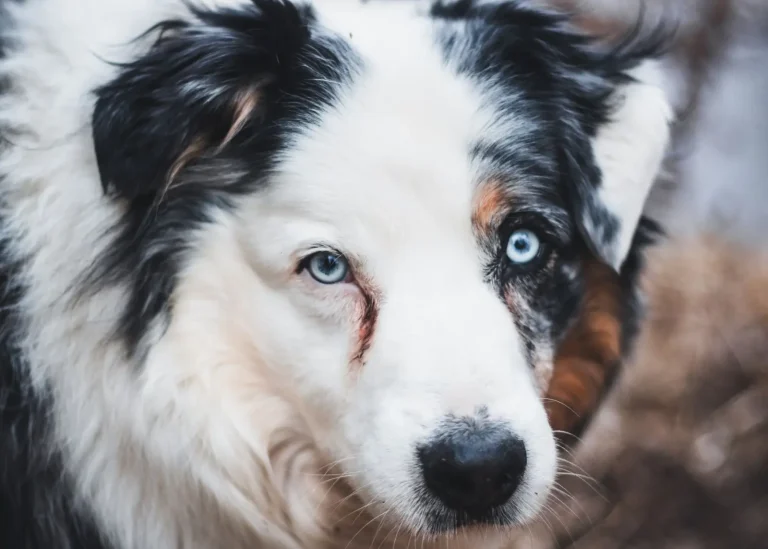


Australian Shepherds are built for work, and that working drive tends to keep them engaged and physically active well into their senior years. Over the years of working with this breed, I’ve noticed they don’t tend to slow down as much as some other dogs do. A healthy Aussie at ten years old often still has the energy and willingness to work or play that you’d see in a younger dog, though the recovery time after exertion does change.
The typical lifespan for an Australian Shepherd falls between 12 and 16 years. Some live longer, some shorter. That range isn’t arbitrary – it reflects what I’ve consistently observed in dogs that received decent care, came from sound genetic lines, and didn’t encounter major health setbacks early on. A few have made it to 17 or 18, but that’s uncommon enough that planning around the 12 – 16 window is more realistic.
What Actually Shapes How Long They Live
Genetics matter, but they’re not the whole story. I’ve seen dogs from the same litter have very different lifespans based on how they were raised and cared for. The dogs that lived longer consistently had owners who paid attention to weight management, kept them mentally and physically active, and caught health issues early rather than ignoring them until they became serious.
Hip dysplasia shows up in this breed more than some people expect. It’s not always obvious when a dog is young, and many Aussies develop it gradually without showing severe lameness until they’re older. The dogs I’ve known who had the longest, most comfortable senior years were the ones whose owners got baseline hip scores early and adjusted activity accordingly. That preventive knowledge made a real difference in their 14th and 15th years.
Weight is another factor that shows up repeatedly. An overweight Aussie at seven or eight years old often develops joint problems, metabolic issues, and reduced mobility much faster than a lean one. The breed’s metabolism and build mean they don’t need as much food as owners often think, and the dogs that stayed lean through middle age moved better and lived longer.
The Middle Years and What Changes
Around age seven or eight, you start noticing shifts. Not dramatic ones in a healthy dog, but real ones. Recovery from activity takes longer. A dog that could work all day at five might need a rest day after a full day of activity at nine. Their hearing may start to fade – not all of them, but many. Vision can become slightly hazier, though most maintain functional sight well into their senior years.
Dental health becomes more relevant around this time too. Dogs that had regular dental care from younger years tend to keep their teeth longer and avoid the infections that can affect overall health. I’ve seen dogs with poor dental health develop secondary issues that shortened their lives or reduced their quality of life significantly.
Cognitive changes happen gradually. An older Aussie might forget a command they knew for years, or seem confused about where they are for a moment. These aren’t necessarily signs of serious cognitive decline, just normal aging. The dogs that seemed to stay sharper longer were the ones whose owners kept engaging them mentally – training, puzzle toys, varied environments.
Health Issues That Tend to Appear
Certain conditions show up more frequently in Australian Shepherds as they age. Hemangiosarcoma, a type of cancer, appears in some lines more than others. It can develop without obvious symptoms until it’s advanced. Some Aussies develop autoimmune issues or thyroid problems. Epilepsy, though often present from younger years, can worsen with age in some dogs.
The dogs I’ve known who handled these conditions best were the ones whose owners caught them early through regular veterinary checkups. A blood panel at age ten, not just when something seems wrong, often revealed issues that could be managed before they became critical. It’s not glamorous preventive care, but it works.
Arthritis is common enough that most Aussies show some signs by their mid-teens. The severity varies. Some dogs manage it well with moderate activity and weight management. Others develop it earlier and more severely. Cold, damp weather often makes it worse, which is something owners notice pretty quickly.
The Senior Years
By thirteen or fourteen, most Australian Shepherds are noticeably older. They sleep more. They’re less interested in long outings, though many still enjoy shorter walks and mental engagement. Incontinence can develop, particularly in females – it’s not a behavioral issue, it’s a physical one related to hormones and muscle tone. It’s manageable with routine adjustments and sometimes medication.
House training sometimes seems to regress, but it’s usually not regression – it’s that the dog genuinely can’t hold it as long or doesn’t have the urgency warning time they used to. Frequent bathroom breaks become routine, and most owners adjust their schedules without much fuss once they understand what’s happening.
Pain management becomes relevant for many. Some dogs benefit from supplements, some from medication, some from both. The dogs that seemed most comfortable in their final years were the ones whose owners recognized pain signals early – stiffness after rest, reluctance to jump, changes in posture – and addressed them rather than assuming it was just normal aging.
End-of-life decisions are harder with a breed like this because Australian Shepherds maintain their personality and engagement longer than some dogs. They’re not obviously failing until fairly late. That can make it difficult to know when quality of life has declined enough that euthanasia is the right choice. There’s no clear line, and different owners make different decisions based on their dog’s individual condition and their own values.
The Australian Shepherds I’ve known that lived well into their mid-to-late teens had owners who understood their breed’s needs, stayed consistent with preventive care, and didn’t wait for problems to become obvious before addressing them. Genetics set a range, but how a dog lives within that range depends heavily on what happens day to day.