
Australian Shepherds develop thyroid disease more often than many other breeds, and after years of working with these dogs, it’s something I’ve come to expect as a possibility in middle-aged and older dogs. The condition isn’t dramatic or sudden in most cases. It creeps in quietly, and owners often don’t notice anything wrong until a vet brings it up during a routine checkup or blood work. By that point, the dog may have been showing subtle signs for months.
What makes thyroid problems tricky with this breed is that Australian Shepherds are naturally high-energy, intelligent dogs. When their metabolism starts to slow down due to thyroid dysfunction, the changes can be easy to attribute to normal aging or simply to the dog settling down. An owner might think their five-year-old Aussie is just becoming more relaxed, when in reality their thyroid function is declining. The dog that used to be first at the door for a walk might now seem content to stay home. That’s worth paying attention to.
The most common form of thyroid disease in Australian Shepherds is hypothyroidism, where the thyroid gland doesn’t produce enough hormone. This differs from hyperthyroidism, which is rare in dogs and more common in cats. With hypothyroidism, the dog’s entire metabolic rate drops. Everything slows down – energy levels, coat quality, even digestion and temperature regulation.
What You Actually See at Home
Weight gain is often the first real sign owners notice, even when the dog isn’t eating more. The dog’s metabolism simply isn’t burning calories the way it used to. I’ve seen Aussies gain ten or fifteen pounds over a year without any change in their diet, and the owner is baffled. The dog looks softer, less muscular, despite the same amount of activity. Sometimes owners reduce food thinking their dog is overeating, but that doesn’t help because the problem is metabolic, not behavioral.
Coat changes are equally common. The fur becomes dull and dry. It may thin out, especially along the back and sides. Some dogs develop a waxy or greasy feel to their coat, or they shed more than usual. In a breed like the Australian Shepherd, where coat quality is noticeable, this change stands out. The dog that used to have a shiny, vibrant coat looks almost lackluster.
Lethargy is another hallmark. The dog sleeps more, shows less interest in play or work, and may seem mentally slower. For an Aussie, this is particularly noticeable because the breed is bred to work and think. When that drive dims, something is usually wrong. Some dogs become reluctant to exercise or tire quickly on walks they used to handle easily. Others show behavioral changes – increased anxiety, depression, or unprovoked aggression – because the thyroid affects mood and neurological function as well.
Cold sensitivity sometimes appears too. Owners mention their dog wanting to stay near heat sources, seeking blankets, or seeming uncomfortable in cool weather. Digestive issues can develop, including constipation or loose stools. Some dogs develop skin infections or ear problems more frequently because the immune system is affected by low thyroid hormone.
How Vets Diagnose It
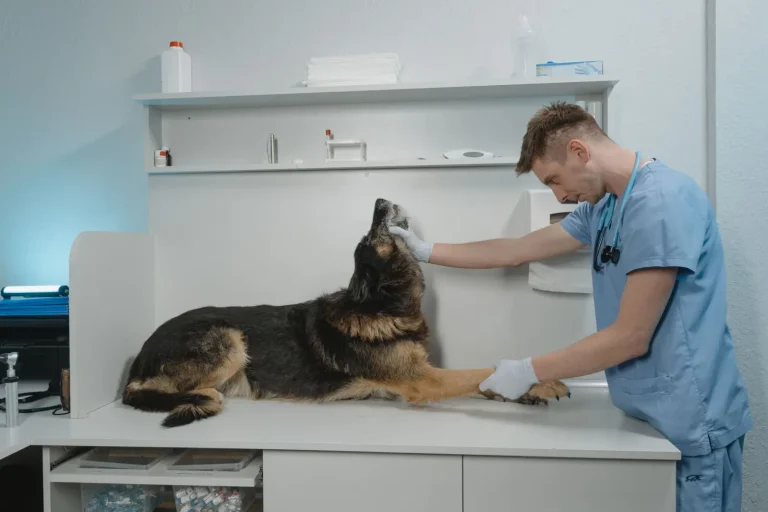
Diagnosis starts with a blood test measuring thyroid-stimulating hormone (TSH) and free thyroxine (T4). A vet might order these tests when the clinical signs fit, or sometimes they come up incidentally during routine bloodwork for other reasons. The results aren’t always black and white. Some dogs have borderline values that sit in a gray zone, and vets disagree on when to treat. I’ve seen dogs with slightly low T4 and normal TSH that show no symptoms, and others with similar numbers that are clearly struggling.
A full thyroid panel sometimes includes free T3 and other markers, but most vets start with TSH and T4. If those results suggest hypothyroidism, the diagnosis is usually straightforward. If results are borderline, a vet might repeat testing in a few weeks or months to see if there’s a trend. Some vets also consider the dog’s clinical signs heavily – if the dog looks and acts hypothyroid but the numbers are barely off, they might still treat.
Breed predisposition matters here. Vets are often more alert to thyroid issues in Australian Shepherds than in some other breeds because they know the prevalence is higher. That’s actually useful. It means if you mention lethargy or weight gain to a vet who knows the breed, thyroid testing is likely to be on their radar early.
Living With a Thyroid Diagnosis
Once diagnosed, the standard treatment is synthetic thyroid hormone, usually levothyroxine. The dose varies based on the dog’s weight and how their body responds. Starting dose is a calculation, but finding the right dose for an individual dog takes time. Most vets recheck bloodwork four to six weeks after starting treatment to see if the dose needs adjustment. Some dogs need a second adjustment, occasionally a third.
The medication is given orally, usually once or twice daily. It’s straightforward, but consistency matters. The dose needs to be stable, and the dog needs to be rechecked periodically – typically once or twice a year after the initial regulation period. Some owners find it easy to incorporate into their routine; others struggle with remembering doses or dealing with a dog that won’t take pills.
Response to treatment is usually noticeable. Within a few weeks, most dogs show improvement in energy, coat quality, and appetite regulation. Weight stabilizes or gradually normalizes. The dog seems more like themselves. But it’s not instantaneous, and it’s not always perfect. Some dogs don’t respond as dramatically as expected, which can mean the dose needs tweaking or there’s another underlying issue contributing to the symptoms.
One thing I’ve observed is that owners sometimes expect the dog to return to their pre-diagnosis self completely. That doesn’t always happen. A ten-year-old dog on thyroid medication will probably be more energetic than they were when hypothyroid, but they won’t be like they were at five years old. Thyroid disease doesn’t erase aging; it just removes one factor that was accelerating decline.
Breed Genetics and Prevention
Australian Shepherds with thyroid disease often have a genetic component. If you’re breeding or considering a dog from a line with known thyroid issues, that’s worth knowing. Some breeders test parent dogs for thyroid function before breeding, though it’s not yet standard practice across the breed. The Orthopedic Foundation for Animals maintains a database of dogs tested for thyroid disease, and some breeders use that information to make breeding decisions.
For owners, there’s no real prevention once a dog is predisposed genetically. But knowing your dog’s family history, if available, gives you a heads-up. If a parent or sibling had thyroid disease, you might ask your vet to monitor your dog’s thyroid function earlier than routine, especially as the dog enters middle age.
Diet and lifestyle don’t cause thyroid disease in genetically predisposed dogs, though some owners wonder if they do. The condition is primarily genetic and autoimmune in nature. A good diet and regular exercise support overall health, but they won’t prevent hypothyroidism from developing in a dog whose genetics make them vulnerable.
Managing a thyroid diagnosis in an Australian Shepherd is manageable and usually successful. The key is catching it early, getting the dose right, and staying consistent with medication and monitoring. Most dogs live normally with treatment, and the quality-of-life improvement once diagnosed is often significant enough that owners wonder why they didn’t notice the problem sooner.