

There’s a particular irony to owning an Australian Shepherd in Australia. The breed carries the country’s name, yet most people who encounter them here are surprised to learn they’re not actually native to the continent. That said, living with one in their supposed homeland does reveal something interesting about how these dogs behave when they’re not fighting against suburban constraints or apartment living. After years of working with Aussies across different Australian environments, I’ve noticed patterns that don’t always match what people expect when they bring one home.
The first thing that strikes anyone living with an Australian Shepherd is their relentless need for direction. These aren’t dogs that settle into a routine and ask for nothing. They were built to move stock across vast distances, to make independent decisions about livestock behavior, and to work in conditions where a handler might be out of sight for hours. That genetic blueprint doesn’t switch off just because they’re living in a suburban backyard or even on a rural property. What I’ve observed repeatedly is that owners often underestimate how much mental engagement these dogs require. It’s not simply about exercise – though they certainly need plenty of that. It’s about having a job, or at least a consistent sense of purpose.
In Australia specifically, the climate adds another layer to ownership. Summer heat in most populated areas reaches levels that can genuinely stress a dog with a thick double coat. I’ve seen Aussies struggle through December and January in ways that owners from cooler climates don’t anticipate. They pant excessively, seek shade obsessively, and their energy levels drop dramatically. This isn’t laziness. It’s a physiological response. Providing adequate cooling, limiting exercise during peak heat hours, and understanding that your dog might simply be less engaged during summer months is part of the reality here. Many owners adjust their expectations seasonally, but it takes experience to recognize when heat stress is affecting behavior versus when it signals something else.
The Working Dog in a Non-Working Environment
Most Aussies in Australia today aren’t working dogs. They’re companions, and that shift creates a tension that’s worth acknowledging. A dog bred for herding work will often redirect that instinct toward whatever is available – children, other pets, even shadows and reflections. I’ve encountered Aussies that nip at children’s heels during play, not out of aggression but because their brain is literally wired to control movement. Some owners interpret this as a behavioral problem requiring correction. Others recognize it as a breed trait requiring redirection and management. The difference in how an owner frames this shapes the entire relationship with the dog.
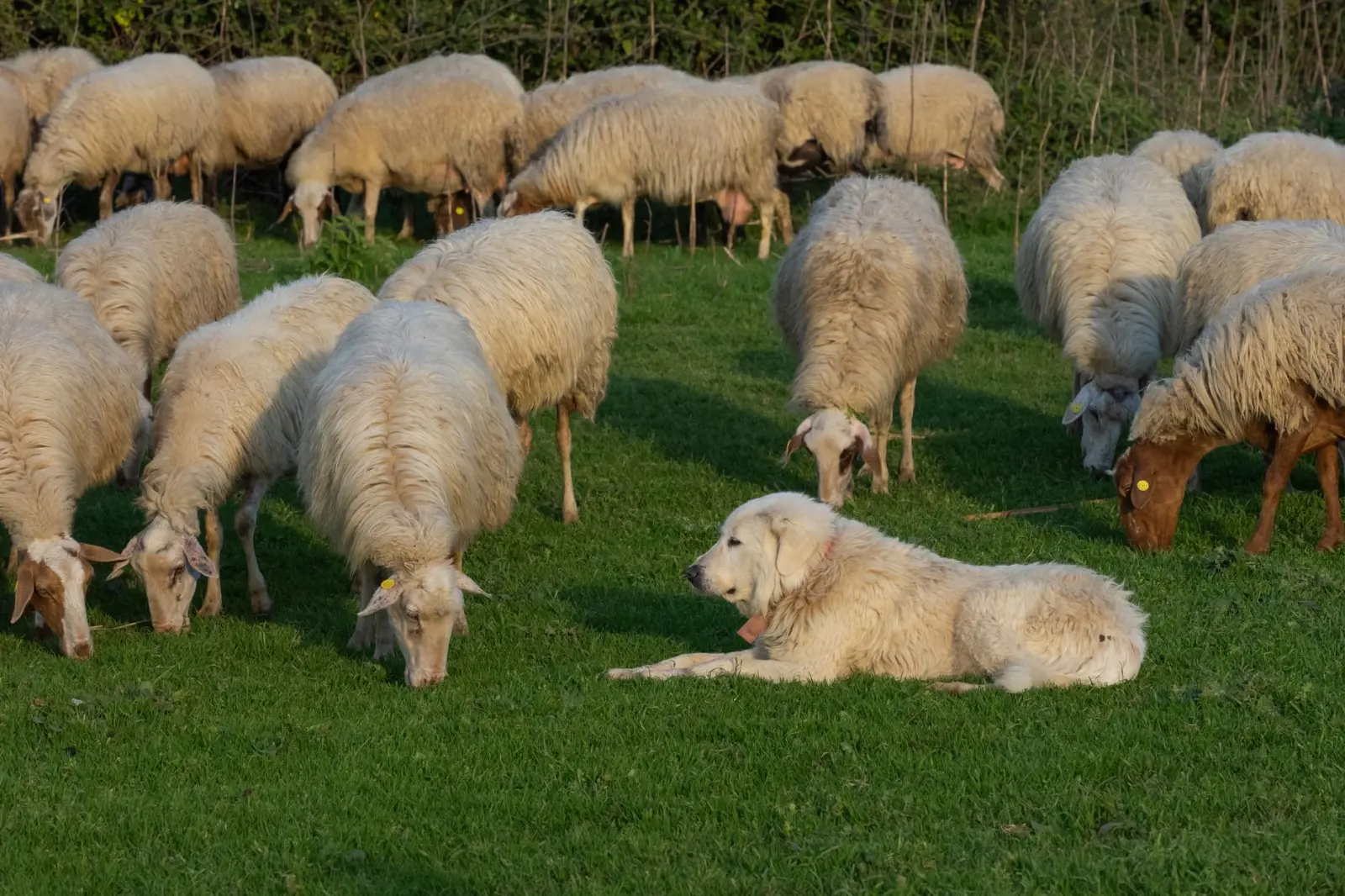
The herding instinct manifests differently depending on the individual dog and their environment. In rural settings where there are actual livestock, some Aussies will naturally gravitate toward herding behavior if given the opportunity. Others show little interest. Genetics load the gun, but environment and early exposure pull the trigger. I’ve seen dogs raised on properties with sheep that never developed herding interest, and urban dogs that fixate on anything that moves. There’s less predictability here than breed descriptions suggest.
Training and the Aussie Mind
Australian Shepherds are often described as highly trainable, and that’s true in a specific sense. They learn commands quickly and retain them well. What’s less often discussed is that they also learn what they can get away with just as efficiently. They’re problem-solvers, which means they’ll test boundaries and find workarounds. An Aussie that’s bored will figure out how to open gates, dig under fences, or create their own entertainment. I’ve worked with dogs that learned to manipulate their owners’ routines or developed elaborate strategies to access forbidden areas. This isn’t disobedience in the traditional sense. It’s intelligence applied to a problem they’ve identified.
Training an Aussie works best when it’s consistent and when the dog understands there’s a genuine reason for the rules. They respond poorly to arbitrary restrictions or inconsistent enforcement. If a behavior is sometimes allowed and sometimes punished depending on the owner’s mood, the dog becomes confused and unreliable. This requires owners to be thoughtful about what they’re actually asking for and why. It’s more demanding than simply issuing commands.
Socialization and Temperament Variation
The breed standard describes Australian Shepherds as friendly and eager to please, but what that actually looks like varies considerably. Some are genuinely social and outgoing. Others are reserved, even aloof, with strangers. Early socialization matters, but it doesn’t override temperament entirely. I’ve seen well-socialized Aussies that remain cautious and poorly socialized ones that are naturally confident. The breed seems to have a wider range of normal temperament than some others, and owners sometimes struggle when their dog doesn’t match the friendly, eager stereotype.
In Australia, where many people have space and property, Aussies often develop strong bonds with their immediate family while remaining distant from outsiders. This isn’t necessarily a problem, but it’s worth understanding before ownership. A dog that’s content with their people and indifferent to visitors is different from a dog that’s uncomfortable or reactive around strangers. The former is manageable. The latter requires more active management and can become problematic if not addressed early.
Health Considerations in the Australian Climate
The double coat that gives Aussies their distinctive appearance also means they shed substantially year-round, with heavier shedding during seasonal transitions. In Australia’s variable climate, this can be intense. Some owners invest in regular professional grooming. Others manage it at home. Either way, it’s a commitment that shouldn’t be underestimated. Beyond coat maintenance, the breed has some genetic predispositions worth knowing about. Hip dysplasia occurs, though responsible breeding has reduced its prevalence. Eye conditions like progressive retinal atrophy are less common but worth screening for if you’re purchasing from a breeder.
The heat-related stress I mentioned earlier can sometimes mask or complicate other health issues. A dog that’s lethargic in summer might be responding normally to temperature, or they might be developing a health problem. Owners who live with the seasonal patterns can usually tell the difference, but it requires attentiveness. Regular veterinary checks become more important in a climate where environmental stress is a consistent factor.
Living with an Australian Shepherd in Australia means accepting that you have a dog with significant genetic programming and individual personality that won’t always align with expectations. They’re capable, intelligent, and often deeply loyal to their people. They’re also demanding, sometimes stubborn, and require genuine engagement rather than passive companionship. The experience is rewarding for people who understand what they’re getting into, and frustrating for those who don’t.