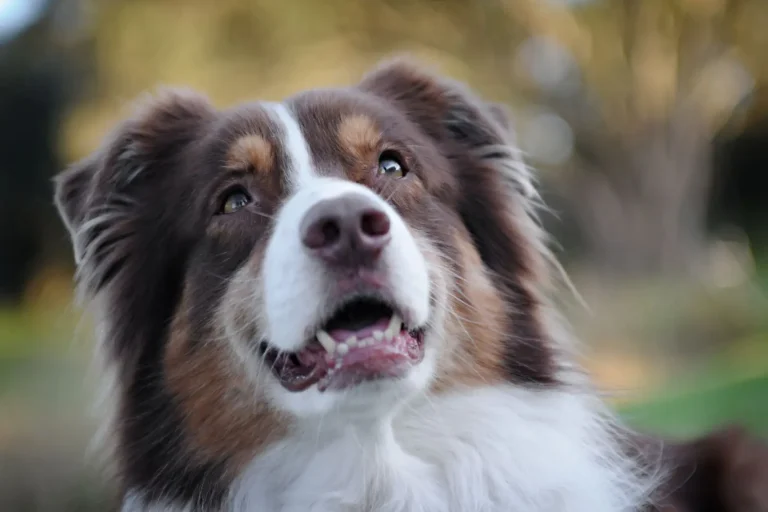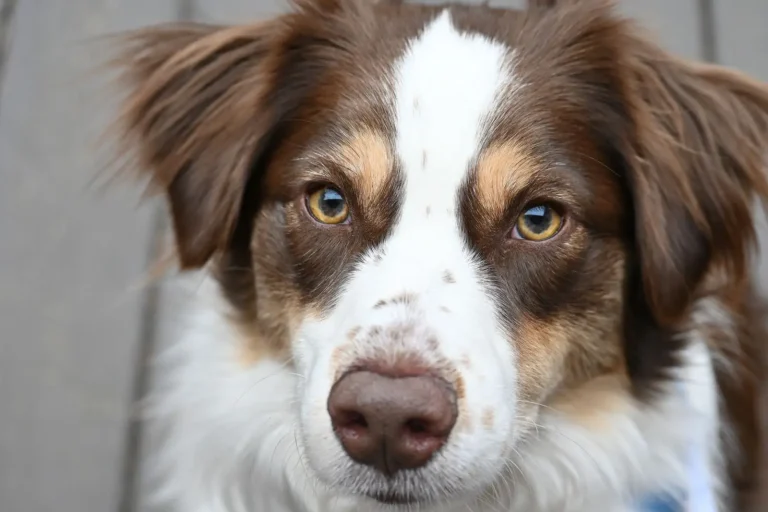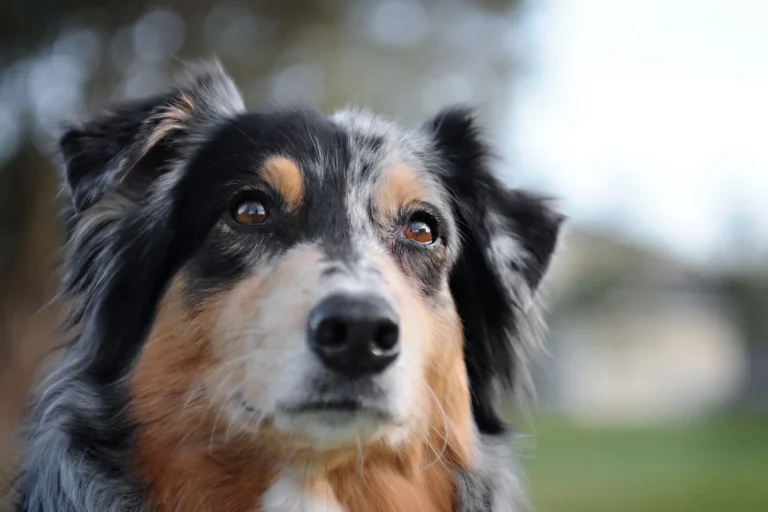

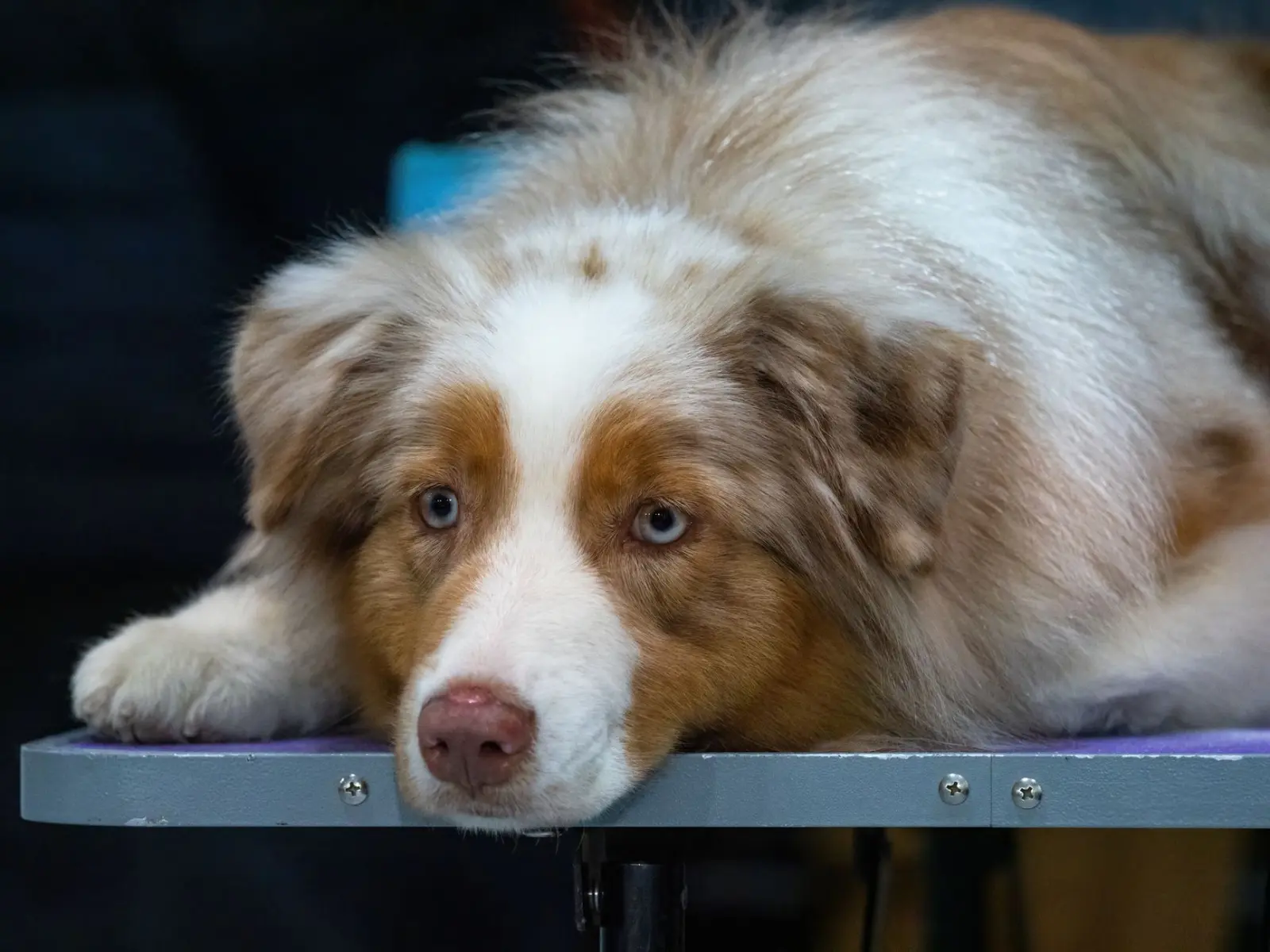
Australian Shepherds shed. Not occasionally, not lightly – they shed consistently throughout the year, with two major blowouts that catch most owners off guard. After working with these dogs for years, I can tell you that coat management isn’t really optional if you want to keep your home and your dog comfortable. The double coat they carry serves a real purpose: insulation and protection. But that same coat requires honest attention as the seasons shift.
The coat itself is the key to understanding what happens seasonally. Aussies have a dense undercoat beneath longer guard hairs, and this combination means they’re built for temperature regulation. When spring arrives and temperatures climb, they don’t need that thick undercoat anymore. When fall comes and days shorten, their body signals a need to rebuild it. This isn’t something you can train out of them or prevent with diet alone. It’s biological, and it happens predictably.
What surprises most owners is how much of the year they’re actually managing significant shedding. Spring and fall are the obvious heavy-shedding seasons, but the winter and summer months aren’t quiet periods – they’re just less dramatic. A dog living indoors with artificial lighting and climate control may shed more evenly across all seasons, which can actually feel less intense than seasonal shedding because it’s distributed rather than concentrated.
Spring and Early Summer: The Major Transition
Spring shedding in Australian Shepherds is when most people realize they need a plan. The undercoat loosens and comes out in substantial quantities. I’ve seen owners brush their dog for twenty minutes and fill a trash can. Some people think their dog is sick or that something’s wrong with the coat. It’s not. It’s normal, and it’s heavy because the dog is literally replacing their winter insulation.
The practical reality during this period is that regular brushing becomes non-negotiable. A slicker brush or undercoat rake works, though I’ve found that a high-velocity dryer designed for dogs actually does more to remove the loose coat efficiently than hand brushing alone. The dryer forces air through the coat and displaces the undercoat before it ends up on your furniture. It’s loud and the dog needs to get used to it, but it genuinely reduces the amount of hair that will shed into your home over the following weeks.
Frequency matters during spring. Brushing once a week when shedding is mild isn’t enough during the blowout. Every two to three days makes a real difference. Some owners do it daily for a few weeks when the shedding peaks. It sounds like a lot, but it’s actually faster than dealing with matted undercoat later or constantly vacuuming.
Summer Maintenance and Heat Considerations
Once the spring shedding cycle completes, the coat stabilizes into a summer pattern. The dog is now in their lighter coat, though they still have a functional undercoat. Summer grooming is less intense than spring, but it’s not absent. The guard hairs are still there, and they still collect debris, shed individually, and need regular attention.
Heat is where many people make mistakes. The instinct to shave or heavily trim an Australian Shepherd in summer is understandable but usually counterproductive. The double coat actually protects the skin from UV damage and helps regulate temperature through air circulation. Removing it doesn’t cool the dog as much as people think, and it can take months to grow back properly. I’ve seen dogs develop skin issues after being shaved because the protective layer was gone.
What works better is regular brushing to remove dead coat and improve air circulation through what’s there. A bath every few weeks with a good rinse also helps remove loose hair and keeps the skin healthier. The dog will be more comfortable, and you’ll manage shedding without compromising the coat’s function.
Fall: The Second Major Shed
Fall shedding is often heavier than spring shedding, though people sometimes expect it to be lighter. The dog is building a winter coat, and the process is similar to spring – undercoat loosens, comes out in volume, and needs to be managed. By fall, some owners have let their grooming routine slip after the spring intensity, and they’re caught off guard again.
The timing varies slightly depending on where you live and how much daylight the dog gets. Dogs in cooler climates or with less artificial light tend to shed more heavily in fall. Dogs indoors with consistent lighting may shed more gradually. But the cycle still happens.
Fall is actually when I recommend the same intensity of grooming as spring. The coat is changing significantly, and staying ahead of it prevents matting and reduces the amount of hair that ends up everywhere else. Three to four weeks of regular brushing during peak shedding, then a gradual reduction as the new coat settles in.
Winter: Maintaining the Heavy Coat
Winter coat maintenance is different from shedding management. The dog now has a full, dense double coat, and while shedding continues at a baseline level, the focus shifts to keeping the coat clean and preventing matting. Snow, ice, and salt can accumulate in the coat and cause irritation or matting if not addressed.
Bathing frequency can actually increase slightly in winter for dogs that spend time outdoors in snow and salt. More frequent bathing than in summer might sound counterintuitive, but the coat gets dirtier and needs rinsing. The key is using a good conditioner to prevent the coat from drying out. Cold air is dry air, and the skin underneath can become irritated if the coat isn’t properly conditioned.
Brushing continues but at a lower frequency than during shedding seasons. Once a week is usually sufficient if the dog isn’t matting. The winter coat is denser and less prone to matting than the transition periods, but wet snow and ice can still cause problems if not brushed out promptly.
Tools and Realistic Expectations
The right tools make a genuine difference in how manageable coat care becomes. A slicker brush works for general maintenance, but an undercoat rake or deshedding tool is more effective during heavy shedding. A high-velocity dryer is expensive but saves time and effort if you’re managing multiple dogs or a heavy shedder. A good metal comb helps identify matting before it becomes a problem.
What doesn’t work well is expecting the shedding to stop or dramatically reduce. It won’t. Australian Shepherds are not low-shedding dogs, and no amount of supplements, special diets, or grooming will change that fundamental fact. What you can do is manage it so it doesn’t take over your life or damage the coat’s health.
The reality of owning an Australian Shepherd is accepting that their coat requires attention year-round. Spring and fall demand more time and effort, but summer and winter aren’t breaks – they’re just different phases of the same ongoing cycle. Most owners who struggle with coat care are those who approach it as something to get through rather than something to work with. Once you accept the rhythm of it, the actual work becomes routine and manageable.