

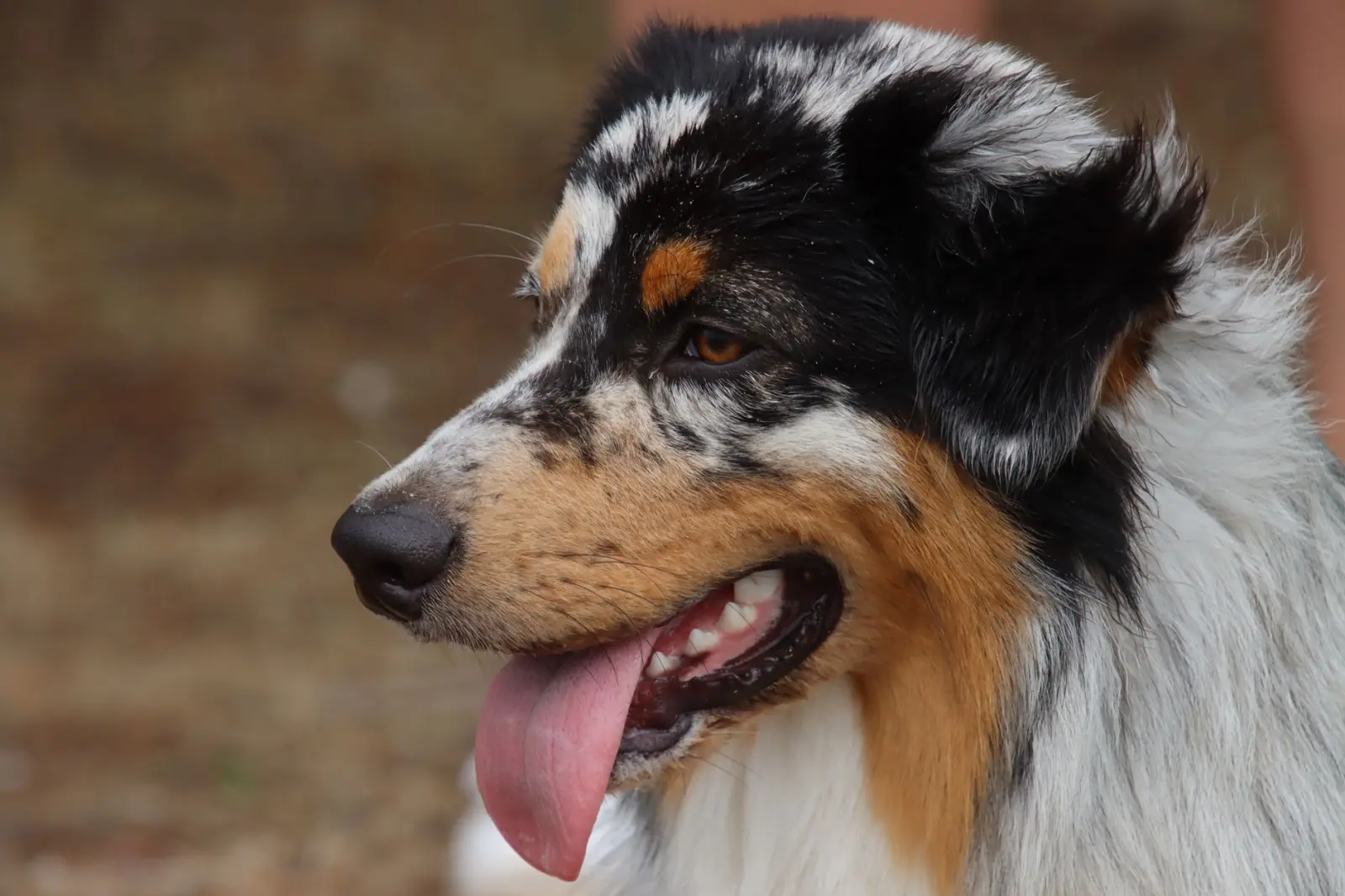
Australian Shepherds have built a genuine presence across Australia, though the breed culture here operates quite differently from what you might encounter elsewhere. Over years of working within and observing these communities, I’ve noticed the landscape is fragmented in ways that reflect both the breed’s working heritage and the practical realities of dog ownership across a large, geographically dispersed country.
The breed itself carries some interesting contradictions in the Australian context. Despite the name, Australian Shepherds aren’t originally from Australia – they were developed in the American West. Yet Australia has embraced the breed with particular enthusiasm, especially among people working with livestock or engaged in dog sports. This creates a community that’s less unified by a single national body than you might expect, and more shaped by regional interests, working applications, and sport participation.
What strikes me most is how these communities operate in layers. There’s the formal structure of breed clubs and kennel club affiliations, but underneath that sits a much more active network of working dog owners, agility competitors, and herding enthusiasts who may not belong to any official organization yet remain deeply embedded in the breed culture. These two worlds don’t always overlap as much as you’d think.
The Formal Club Structure
The Australian Shepherd Club of Australia (ASCA) represents the primary breed club, affiliated with the Australian National Kennel Council. Like most breed clubs, it maintains breed standards, organizes shows, and works to promote responsible breeding. The club operates across state-based chapters, which is where the real activity happens. A national organization can set policy, but the actual community experience depends entirely on what’s happening at the state or regional level.
What I’ve observed is that participation in these formal clubs varies dramatically by location. In New South Wales and Victoria, where population density is higher and dog sport culture is more established, club activities tend to be more frequent and better attended. Regional areas often have smaller, tighter groups where everyone knows each other’s dogs and breeding lines. This isn’t a weakness – it’s often where the most genuine breed knowledge accumulates, because people are working with these dogs daily rather than showing them occasionally.
The show circuit exists, certainly, but it’s not the primary driver of community engagement for most Australian Shepherd owners I’ve worked with. Conformation showing has its dedicated followers, but the breed’s working background means many owners are more interested in what their dogs can actually do than how they look in a ring.
Working and Herding Communities
This is where the real energy lives. Australian Shepherds are used for genuine stock work on farms and stations, particularly in rural areas. These working dog networks operate almost independently of the formal club structure. Owners share information through word of mouth, local connections, and increasingly through online groups specific to working lines. A farmer in Queensland might know more about Australian Shepherd temperament and working ability than any show breeder, but they’ll never attend a breed club meeting.
Herding trials and working tests have become increasingly popular, and these events create their own communities. Organizations like the Australian Herding Dog Association and various state-based herding groups run events where Australian Shepherds compete alongside Border Collies, Kelpies, and other herding breeds. These trials attract owners who are genuinely interested in the breed’s original function. The culture here is different – less concerned with pedigree and more focused on ability, temperament, and trainability.
What’s notable is that working dog communities often have stricter, more practical standards than formal breed clubs. A dog that can’t work or won’t listen to commands isn’t valuable, regardless of its appearance. This creates a natural selection pressure that many formal clubs lack. Over time, this shapes which lines continue and which fade out.
Dog Sport and Agility Networks
Agility, obedience, and other dog sports have created perhaps the most visible and active Australian Shepherd communities in Australia. The breed excels in these disciplines, and there’s genuine enthusiasm among competitors. Organizations like Dogs Australia and various state-based agility clubs run regular competitions and training events.
These communities tend to be more inclusive and less concerned with breed politics than traditional breed clubs. An Australian Shepherd owner involved in agility might interact more regularly with Border Collie owners, Poodle owners, and mixed breed enthusiasts than with other Australian Shepherd breeders. The social structure is built around the sport, not the breed. This has advantages – it keeps the focus on training and ability – but it also means Australian Shepherd-specific knowledge can be diluted.
Training clubs and facilities that specialize in agility and obedience often become de facto community hubs. People meet regularly, share training approaches, and develop friendships that extend beyond competition. These spaces are where a lot of practical breed knowledge gets exchanged, even if it’s not formalized.
Online Communities and Modern Connectivity
The rise of social media and online forums has fundamentally changed how Australian Shepherd communities operate. Facebook groups dedicated to the breed, regional owner groups, and working dog networks now connect people across vast distances. Someone in Western Australia can now easily discuss breeding decisions or training challenges with someone in Tasmania.
What I’ve observed is that online communities tend to be more diverse and less hierarchical than traditional club structures. A new owner with a question gets responses from show breeders, working dog handlers, sport competitors, and experienced pet owners all at once. This can be genuinely helpful, though it also means misinformation spreads just as easily as good advice.
The challenge with online communities is that they lack the accountability and gatekeeping that formal organizations provide. This isn’t always bad – gatekeeping can stifle innovation and exclude people – but it does mean quality control is inconsistent. Someone breeding Australian Shepherds purely for profit can present themselves identically to a responsible breeder with decades of experience.
Regional Variations and Practical Reality
The Australian Shepherd community isn’t uniform across the country, and understanding these regional differences matters if you’re trying to engage with it. Urban centers have more formal club activity and sport participation. Rural areas have more working dog culture. Coastal regions might have different breed priorities than inland areas.
In my experience, the most cohesive communities exist where there’s a mix of formal structure and practical shared interest. A region with an active breed club chapter, regular herding trials, and established agility clubs tends to have a healthier, more collaborative community than areas where one interest dominates.
The breed’s popularity has also shifted over time. Australian Shepherds were less common in Australia twenty years ago, which meant the community was smaller and more tightly knit. As the breed has become more mainstream, especially as a family pet, the community has become more diverse. This brings new people and perspectives, but it also dilutes some of the breed-specific knowledge that accumulated in smaller communities.
Getting involved in Australian Shepherd communities in Australia works best when you understand what you’re actually looking for. If you want to show dogs, connect with breed clubs. If you want to work your dog or compete in trials, find the relevant sport organizations. If you want practical advice and community connection, online groups and local training facilities often provide more immediate engagement than formal structures. Most experienced owners I know participate in multiple communities simultaneously, drawing different value from each.