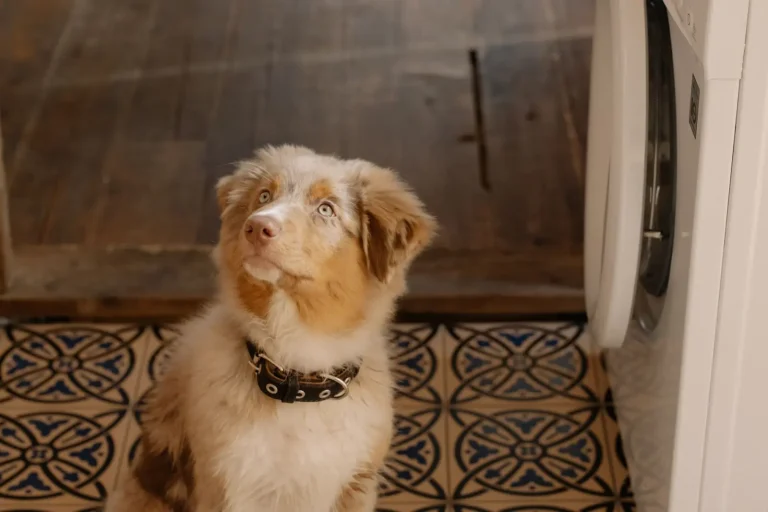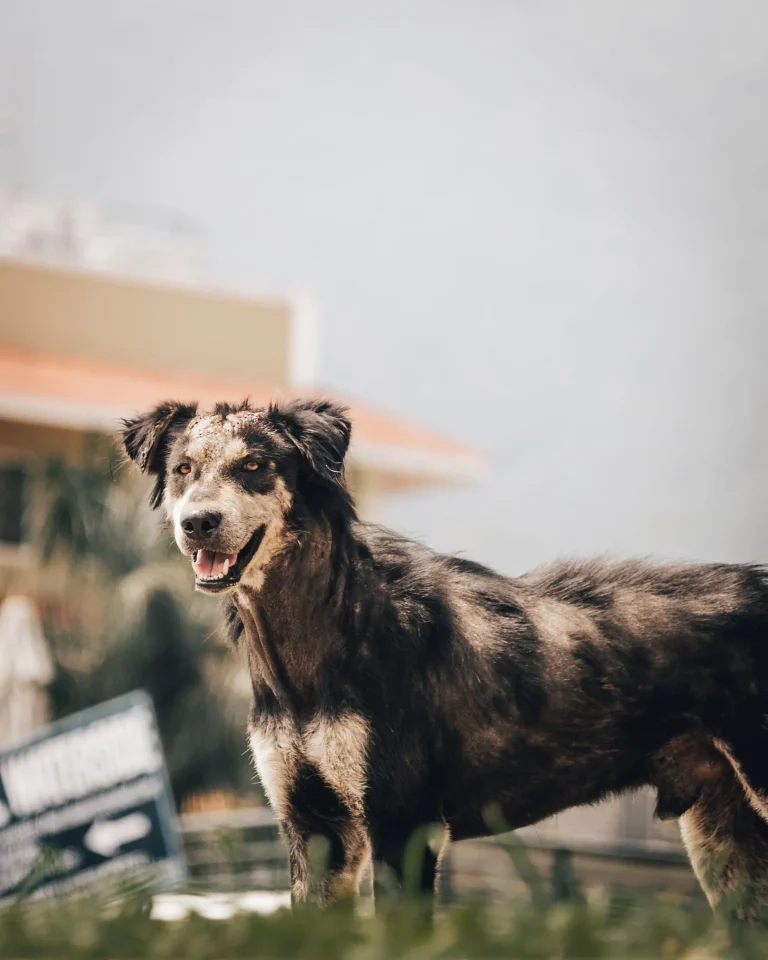


Australian Shepherd puppies are born with a lot of drive. Most people underestimate just how much energy these dogs carry, even at eight weeks old. I’ve watched countless owners bring home a pup expecting a calm, manageable companion and instead find themselves exhausted by noon. The breed’s working heritage means these puppies are wired differently than many others. They’re alert, responsive, and naturally inclined to move. Understanding what that means in practical terms – not just in theory – changes how you approach their first year.
The real challenge isn’t figuring out how much exercise they need. It’s understanding that the answer changes every few weeks, and that more exercise isn’t always better. Puppies grow rapidly, and their bones, joints, and cardiovascular system develop on a specific timeline. Push too hard too early, and you risk long-term damage. Push too little, and you end up with a frustrated, destructive dog that’s hard to manage indoors. The balance is what matters.
Growth Stages and Activity Levels
An eight to twelve-week-old Australian Shepherd puppy can handle short bursts of play – maybe 10 to 15 minutes at a time, several times a day. At this age, they tire quickly because their bodies are still developing basic coordination and muscle tone. What looks like a tired puppy is often just a puppy that’s hit its natural limit. They’ll flop down and sleep for hours. This is normal. The mistake I see most often is owners thinking their puppy needs more because it seems to have endless energy when awake. What’s actually happening is the puppy has short windows of high intensity followed by deep sleep cycles.
By four to six months, you can increase duration slightly. A 20 to 30-minute walk or play session becomes manageable, but still broken into chunks rather than one long outing. At this stage, puppies start developing better endurance, but their growth plates are still soft. This is when people often make the biggest mistake: they see a larger, more coordinated puppy and assume it’s ready for adult-level exercise. A five-month-old Australian Shepherd might look capable of a two-mile run, but the impact on developing joints can cause problems that don’t show up until the dog is two or three years old.
From six months onward, you can gradually extend sessions. A 30 to 45-minute outing becomes reasonable. Even so, I avoid repetitive, high-impact exercise like long-distance running or jumping until the dog is closer to 12 to 15 months old. Australian Shepherds are prone to hip dysplasia and other joint issues, and the foundation laid during growth matters tremendously. Varied activity – a walk here, some play there, a training session, some free movement in a yard – works better than structured, intense exercise.
What Overexertion Actually Looks Like
Tired isn’t the same as overexercised. A properly exercised puppy is calm, settles easily, and sleeps deeply. An overexercised puppy often looks hyperactive. It can’t settle. It’s mouthy, jumpy, and seems almost frantic. Owners frequently misread this as the puppy needing more exercise, when the opposite is true. The nervous system is overstimulated. What the puppy actually needs is rest and a quieter environment.
Physical signs of overexertion include limping, reluctance to use stairs or jump, or stiffness after rest. I’ve seen puppies that were taken on long hikes or multiple long walks in a day develop lameness that took weeks to resolve. The damage happens, but the symptoms lag behind the activity that caused them. By the time an owner notices something’s wrong, the puppy has already been pushed too hard multiple times.
Mental Exercise Matters as Much as Physical
Australian Shepherds are working dogs bred to problem-solve and respond to direction. A 20-minute training session – teaching sits, downs, recalls, or simple tricks – can tire a puppy out as much as a 30-minute walk. This is where a lot of owners miss an opportunity. They assume exercise means running around, when really it means engaging the dog’s brain. A puppy that’s spent time learning and focusing will settle much more easily than one that’s just been let loose to run.
Puzzle toys, sniff work, and training games are especially valuable for Australian Shepherd puppies. These activities channel their natural instinct to work and problem-solve. I’ve found that puppies given regular mental stimulation are calmer indoors, less destructive, and easier to manage overall. The physical tiredness matters, but the mental satisfaction is what actually settles the dog’s nervous system.
Practical Patterns That Work
A realistic daily routine for a young Australian Shepherd puppy looks something like this: a short morning walk or yard time, a training or play session mid-morning, rest during the day, an afternoon walk or activity, some mental engagement like training or puzzle work in the early evening, and then wind-down time before bed. The total active time might be 60 to 90 minutes spread across the whole day, but it’s broken into manageable chunks that match the puppy’s attention span and physical capacity.
Consistency matters more than intensity. A puppy that gets regular, moderate activity every day develops better habits than one that’s active sporadically. On days when weather is bad or life gets busy, a shorter walk plus some indoor training or play is enough. The goal isn’t to exhaust the puppy into submission. It’s to provide outlets for the dog’s natural energy and instincts in ways that support healthy development.
Free play with other puppies or dogs can be part of this, but it’s not a substitute for structured activity. Puppies playing together often go harder and longer than they should, and the play can be chaotic in ways that don’t teach good impulse control. Supervised play is fine, but I wouldn’t rely on it as the primary form of exercise.
Australian Shepherd puppies do need more activity than many breeds, but the specifics depend on age, individual temperament, and what you’re trying to accomplish. The puppies that end up with behavioral problems or joint issues are rarely the ones that didn’t get enough exercise. They’re usually the ones that got too much, too intensely, too early. Patience with the growth process and a willingness to adjust expectations as the puppy develops pays off in a dog that’s both physically sound and behaviorally stable.