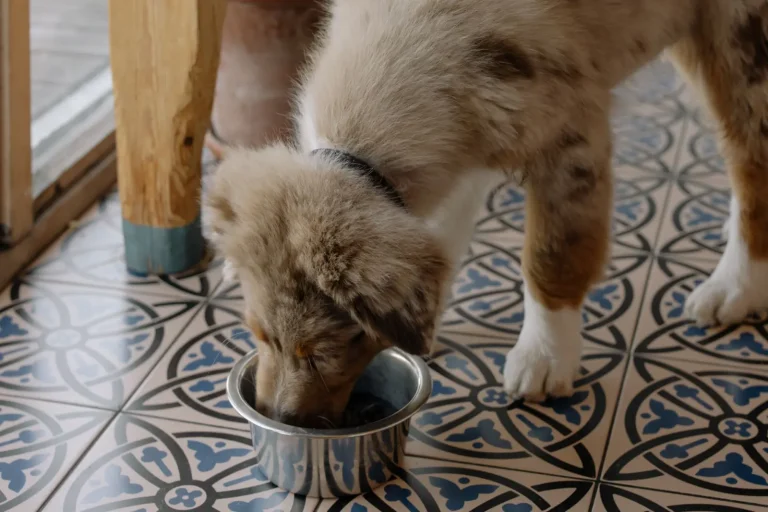


Australian Shepherd puppies arrive with a particular kind of energy that catches most owners off guard, even those who’ve done their research. They’re not hyperactive in the way some breeds are – it’s more focused, more purposeful. Within hours of getting home, you’ll notice the pup is already watching everything: your movements, the other pets, the layout of rooms. This observation tendency shapes how they settle in, and understanding it makes those first weeks considerably easier.
The first 24 to 48 hours tend to be deceptively calm. Many new owners interpret this as their puppy being naturally well-behaved or naturally relaxed. What’s usually happening is that the pup is overwhelmed and still processing the change. The car ride, the new smells, unfamiliar people, and an entirely different environment all register at once. During this window, the puppy often sleeps more than usual and may not eat much. This is normal. Forcing interaction or expecting the puppy to engage with toys or training isn’t productive. Quiet presence works better – let the puppy move around at its own pace, sniff things, and gradually become familiar with the space.
Space and Confinement
Australian Shepherds are herding dogs with strong territorial instincts, even as puppies. They benefit from a defined area rather than free roam of the entire house. This isn’t about punishment or restriction in the emotional sense – it’s about giving them a manageable space where they can feel secure and where you can realistically monitor them. A single room or a large pen works well. The confinement also prevents the puppy from developing bad habits in unsupervised areas, which becomes much harder to undo later.
What I’ve observed repeatedly is that puppies actually settle faster when they have boundaries. They seem to understand that this specific area is theirs. Place the bed, water bowl, and a few toys in this space. Keep it consistent. If you move the setup around daily, the puppy has to reorient each time. Consistency in the physical environment reduces low-level stress and helps the puppy focus on learning household routines rather than mapping out a constantly changing landscape.
Feeding and Bathroom Patterns
Puppies this young typically need three to four meals daily, and their digestive systems are still developing. Feed at the same times each day – this creates predictability for both the puppy and you. Within 15 to 30 minutes after eating, the puppy will need to go outside. This isn’t a suggestion; it’s biology. Once you recognize this pattern, house training becomes straightforward because you’re working with the puppy’s natural rhythm rather than against it.
Accidents will happen indoors, and the response matters. Punishment or anger teaches the puppy to hide when it needs to eliminate, which makes training take longer. A calm, matter-of-fact cleanup and then immediately taking the puppy outside is more effective. Australian Shepherds are intelligent enough to connect the dots if you’re consistent, but they need clarity about what you’re looking for.
Early Socialization and Handling
There’s often pressure to socialize puppies extensively right away, and while exposure to different people and environments is important, the timing and approach matter. A newly arrived puppy hasn’t yet bonded with you or fully adjusted to home. Overwhelming it with too many new people or situations in the first week or two can actually increase anxiety rather than reduce it. Gentle, controlled exposure works better than a packed social calendar.
Handling is different. Start early with routine handling – touching the paws, ears, mouth, and body. Australian Shepherds can be sensitive to touch if they haven’t been accustomed to it, and this becomes relevant later during grooming, vet visits, or basic care. A puppy that’s comfortable with handling from day one is easier to manage as it grows.
The Herding Instinct Shows Up Fast
By the end of the first week, you’ll likely see herding behavior emerge. The puppy may nip at your heels, chase other pets, or try to “gather” family members into a group. This is hardwired, not a behavior problem. It’s the puppy expressing what it was bred to do. Redirecting this energy is more effective than trying to suppress it. If the puppy nips at your ankles, move to a toy or redirect to an appropriate activity. If it’s chasing a cat or another dog, interrupt gently and offer an alternative focus.
I’ve seen owners mistake this early herding as aggression or dominance, which leads to unnecessary corrections. It’s neither. It’s a puppy doing what its genetics tell it to do in an environment where that behavior isn’t appropriate. Recognition of this distinction changes how you respond and prevents the puppy from becoming confused about its own instincts.
Sleep and Crate Training
Puppies need substantial sleep – often 18 to 20 hours daily. A crate or small enclosed space becomes the puppy’s den, and this serves multiple purposes. It’s where the puppy sleeps safely at night, where it stays during times you can’t supervise, and where it learns to settle. A crate is not a punishment; it’s a tool that aligns with the puppy’s natural need for a safe, contained space.
The first few nights are often noisy. The puppy will cry, whine, or bark. This is expected and doesn’t mean the crate is the wrong choice. Responding to every sound by letting the puppy out teaches it that noise gets results. A balance of allowing the puppy to self-soothe while ensuring it genuinely needs a bathroom break is the practical approach. Most puppies settle into a crate routine within a few days to a week if you’re consistent.
Australian Shepherds tend to be sensitive to routine changes, so once you establish a sleep schedule and location, maintaining it matters. If the puppy sleeps in the crate in your bedroom for the first few weeks, then moves to another room, the transition is usually smoother than if you change multiple variables at once.
The adjustment period for an Australian Shepherd puppy isn’t a fixed timeline. Some settle noticeably within a week, others take two to three weeks to fully relax and show their personality. What remains consistent across individual puppies is that they respond to predictability, clear boundaries, and calm, patient handling. The work you put in during these early weeks – establishing routines, managing the environment, and understanding the puppy’s needs – shapes how the dog behaves for years to come.