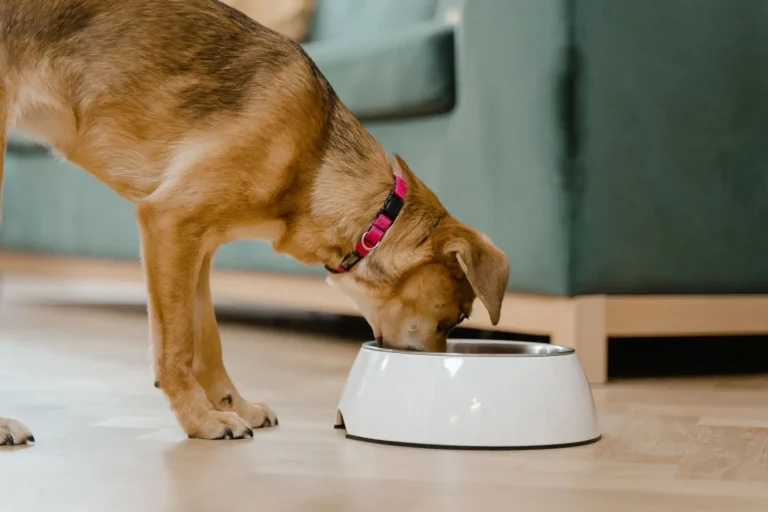

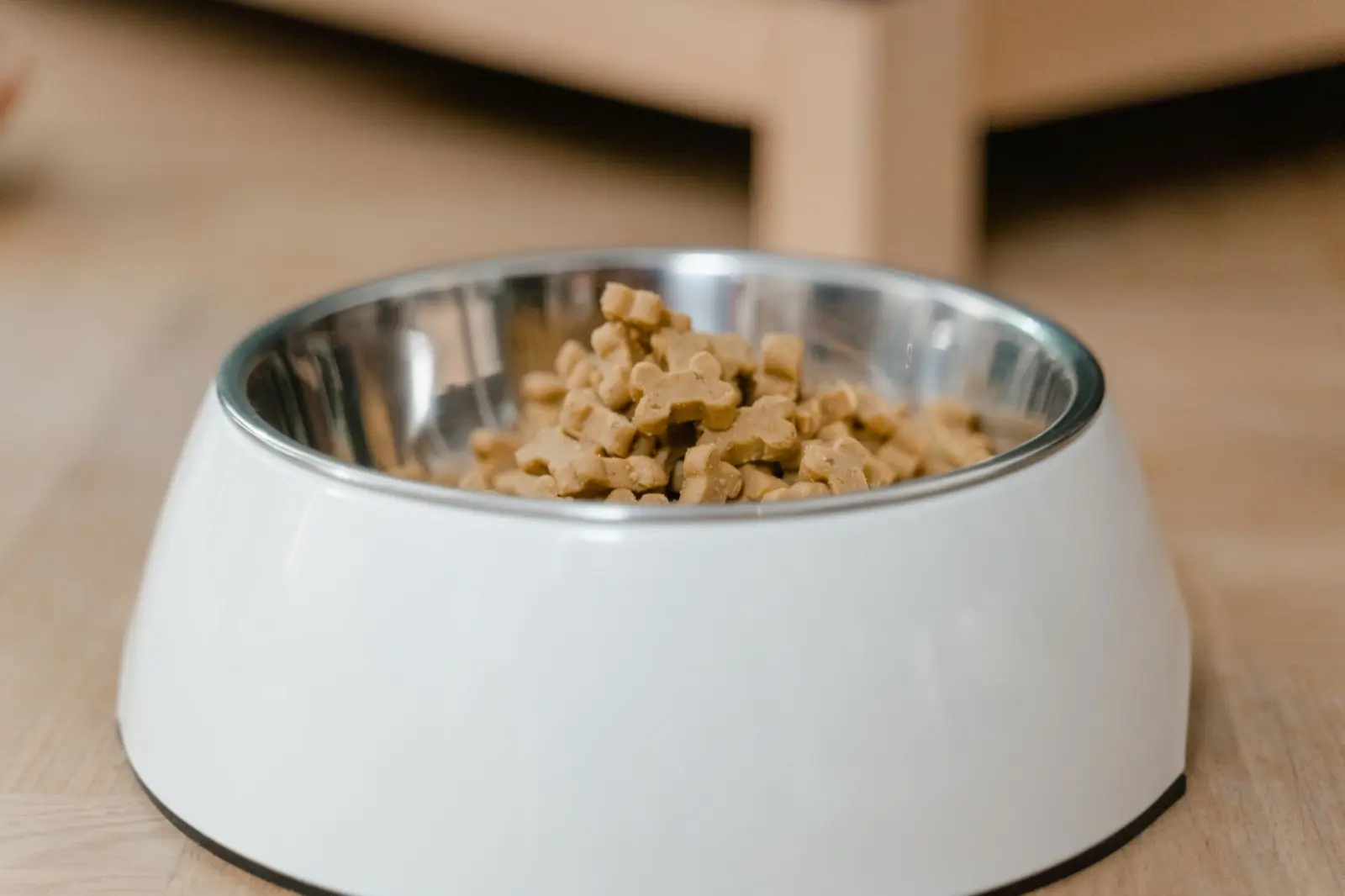
I’ve worked with Australian Shepherd puppies for years, and the shift from puppy to adult food is one of those moments that looks straightforward on paper but plays out differently depending on the individual dog. Most people follow the 12-month rule they read somewhere, and that’s a reasonable starting point, but I’ve seen plenty of situations where that timeline needed adjustment based on what was actually happening with the dog in front of me.
Australian Shepherds are medium to large dogs, and that matters more than people realize when it comes to feeding transitions. They’re not toy breeds that mature in months, and they’re not giant breeds that need special consideration for two years. They sit in a middle ground where growth happens steadily but not explosively. The puppy food they’ve been eating is formulated for their developmental needs – higher calories, balanced calcium and phosphorus for bone development, and nutrients that support their rapid growth phase. Once that growth phase stabilizes, those same formulations can actually work against them.
Growth Plates and Physical Maturity
The real marker isn’t just age. It’s when the dog’s growth plates close and their skeletal development plateaus. For Australian Shepherds, this typically happens somewhere between 10 and 14 months, though I’ve seen it vary. A vet can assess this through observation and sometimes X-rays if there’s genuine uncertainty, but most of the time you can tell by looking at the dog’s body and how it’s moving.
Around 12 months, most Australian Shepherds stop growing taller and longer. Their frame stabilizes. What you’re watching for is when they stop looking like they’re stretching upward every week. Their proportions settle. Their energy, while still high, becomes more controlled rather than chaotic. These are the signs that the intensive growth phase is genuinely over, not just that a calendar date has arrived.
I’ve had owners bring in 10-month-old Australian Shepherds who were clearly done growing – solid frame, mature movement, no more gangly awkwardness. I’ve also seen 14-month-olds still filling out. The breed standard doesn’t help much here because individual dogs vary, and breeding lines matter. A dog from a line that produces larger individuals might grow longer than one from a more compact line.
Recognizing Readiness Beyond Age
Body condition is the practical signal I pay attention to. A puppy on proper puppy food should look lean but not thin. You should feel their ribs easily but not see them prominently. Once they hit their adult frame, if they still look slightly pudgy or if their ribs are hard to feel, that’s often a sign the puppy formula is delivering too many calories for their current activity level and metabolism. Some Australian Shepherds are naturally more active than others, which affects how quickly they burn through food.
Digestive changes can also signal readiness. Puppies on appropriate puppy food typically have firm stools. If you’re noticing softer stools, more frequent bowel movements, or gas, it doesn’t always mean the food is wrong – sometimes it means the puppy is outgrowing that particular formula’s caloric density. This is especially true if the dog is getting regular exercise and not gaining weight as expected.
Coat quality matters too. A healthy coat on a growing puppy should be shiny and full. If you’re noticing dryness, dullness, or excessive shedding, it can indicate that the nutritional profile isn’t matching the dog’s current needs anymore. This isn’t always about switching to adult food – sometimes it’s about switching to a different puppy formula – but it’s worth noting.
The Transition Itself
When you do make the switch, the process matters. I’ve seen owners make abrupt changes and then blame the new food when the dog develops loose stools or digestive upset. A gradual transition over 7 to 10 days works better. Start by mixing about 25 percent of the new adult food with 75 percent of the puppy food. Every couple of days, shift the ratio until you’re fully transitioned. This gives the digestive system time to adjust to different nutrient profiles and fiber levels.
The adult food you choose should still be appropriate for an active dog. Australian Shepherds are working dogs by origin, and even pets tend to have good energy levels. A low-quality adult food formulated for sedentary dogs can actually be worse than staying on puppy food longer. Look for formulas designed for active or working dogs, even if you’re feeding a pet. The protein levels and fat content will be more appropriate for their actual lifestyle.
One thing I’ve noticed over time is that some owners feel anxious about making this switch, as if they’re going to get it wrong. The reality is that Australian Shepherds are fairly resilient. If you switch at 11 months instead of 12, or at 13 months instead of 12, the difference is minimal. What matters more is that you’re paying attention to how the dog looks and feels, adjusting based on what you observe rather than rigidly following a number on a calendar.
I’ve also worked with owners who kept their Australian Shepherds on puppy food longer than necessary because they weren’t sure when to stop, and the dogs ended up overweight. Excess weight in a young dog can stress joints and contribute to problems down the line. That’s worth avoiding. Conversely, I’ve seen dogs switched too early who didn’t get adequate nutrition for their ongoing development, though this is less common with Australian Shepherds than with larger breeds.
The 12-month guideline exists because it works for most Australian Shepherds most of the time. But it’s a starting point, not a hard rule. Watch your individual dog. If they’re still visibly growing, still have the gangly proportions of a young dog, or if their coat and energy suggest they’re still in an intensive growth phase, waiting another month or two is fine. If they’re clearly mature at 10 months, there’s no reason to delay. The best decision is the one based on what you’re actually seeing, not on what a feeding guide says.