

Australian Shepherd puppies grow fast, and the pace of that growth can catch owners off guard. I’ve worked with enough of these litters to know that the first year involves dramatic physical changes – not just in size, but in bone density, muscle development, and behavioral capacity. Most people underestimate how much a pup will change between eight weeks and twelve months, and that miscalculation often leads to problems with nutrition, exercise, and training expectations.
The growth trajectory of an Australian Shepherd isn’t linear. There are periods of rapid expansion followed by phases where the dog seems to consolidate what it’s already built. Understanding these phases helps you adjust feeding, exercise, and handling to match what the puppy’s body is actually doing at that moment, rather than what you think it should be doing.
Early Weeks: Eight to Twelve Weeks
When a puppy arrives at eight weeks, it typically weighs between eight and twelve pounds, depending on parentage and individual variation. At this stage, the skeleton is still mostly cartilage. The bones are soft, and growth plates – the areas at the ends of long bones where new bone tissue forms – are wide open and vulnerable. This is why rough play and jumping on hard surfaces can cause lasting damage. I’ve seen owners make the mistake of treating an eight-week-old Aussie like a small dog that can handle anything. They can’t.
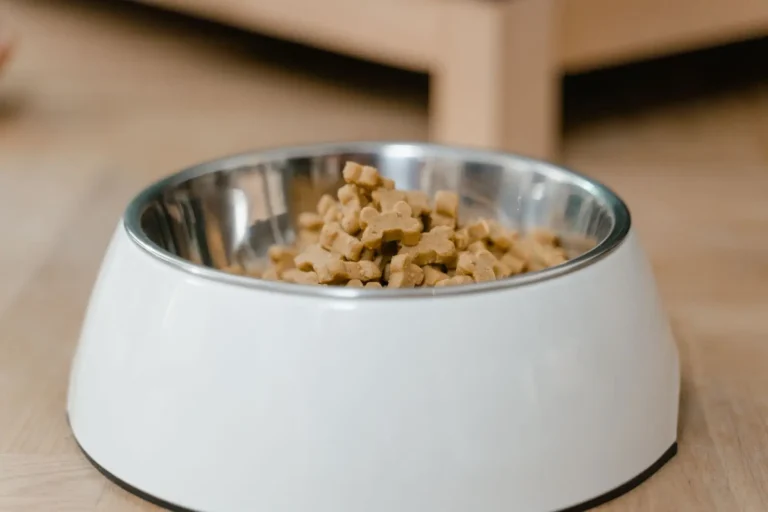
During this period, puppies need to eat three or four times daily. Their stomachs are small, and their metabolic rate is high. A quality large-breed puppy formula is essential here. Not all puppy foods are created equal, and feeding an Aussie a small-breed formula or an adult diet at this stage can throw off the calcium-to-phosphorus ratio, which directly affects bone development. The puppy should be gaining roughly one to two pounds per week at this age.
Three to Four Months: The Rapid Growth Phase
This is when things accelerate noticeably. By four months, a healthy Australian Shepherd puppy typically weighs between twenty and thirty pounds. The growth plates are still open, but the bones are beginning to mineralize more actively. The puppy’s frame starts to look more angular, less chunky. Legs lengthen. The chest deepens.
Feeding frequency can drop to three times daily around this point, though some owners find their pup does better with four smaller meals. The total caloric intake needs to increase, but the increase should be gradual and tied to actual weight gain, not to an arbitrary schedule. I’ve seen owners overfeed at this stage because they’re impressed by how much the puppy eats. Overfeeding a large-breed puppy during the growth phase is one of the most common causes of orthopedic problems later, particularly hip dysplasia and elbow dysplasia. The rapid growth itself puts stress on developing joints; excess calories and unbalanced nutrition make that stress worse.
Exercise during this phase needs careful management. Australian Shepherds are bred to work, and puppies at this age have genuine drive and energy. But the growth plates won’t fully close until eighteen to twenty-four months. High-impact exercise – jumping, sustained running on hard surfaces, repetitive ball chasing – should be limited. I typically recommend letting puppies play freely in safe spaces and keeping structured exercise to short, frequent sessions. A general guideline is five minutes of exercise per month of age, twice daily, but that’s a starting point, not a rule.
Four to Six Months: Consolidation and Coordination
By six months, most Australian Shepherd puppies weigh between thirty-five and fifty pounds. Growth is still rapid, but the proportions are becoming more balanced. The puppy is beginning to look like a small version of an adult dog, though the head is still relatively large and the overall frame is still gangly.
Around four to five months, puppies often lose their baby teeth and the adult teeth come in. This is a normal process, but it’s worth monitoring. Occasionally a baby tooth doesn’t fall out when the adult tooth comes in, and the puppy ends up with a double tooth. Most of the time these shed on their own, but if they don’t, a vet can remove the retained baby tooth. Chewing intensity often increases during this period as the mouth is uncomfortable. Providing appropriate chew items helps, and it’s a good time to be patient with the puppy’s need to work its jaw.
Feeding can shift to twice daily by six months, though some owners continue three meals if their puppy seems to do better with that rhythm. The total amount of food increases, but the caloric density shouldn’t change dramatically. Large-breed puppy formulas are designed to support growth without pushing it too fast.
Six to Twelve Months: Toward Adult Size
This is the longest growth phase and the one where variation becomes most apparent. By nine months, an Australian Shepherd is typically between forty-five and sixty pounds. By twelve months, most are within ten to fifteen pounds of their adult weight. However, some dogs continue growing until eighteen months, and a few don’t reach full maturity until twenty-four months.
The growth rate slows considerably in the second half of the year. The puppy may look fully grown by ten or eleven months, but the growth plates are still open, and the bones are still mineralizing. This is where patience becomes critical. Owners often think a dog that looks adult-sized can handle adult-level exercise and training stress. It can’t, not yet. The skeleton is still developing, and the ligaments and tendons are still strengthening.
Feeding typically shifts to once or twice daily by nine months, depending on the individual dog and the owner’s schedule. Some Australian Shepherds maintain a preference for two meals even as adults. The transition to adult food can happen around twelve months, though some dogs do better staying on a large-breed puppy formula a bit longer if growth is still visibly occurring. Watch the dog’s body condition, not the calendar. A puppy that’s visibly lean and still growing benefits from staying on puppy food longer.
Growth Variation and Individual Differences
Not all Australian Shepherd puppies grow at the same rate, and that’s normal. Males tend to be larger than females, but there’s significant overlap. A female from working lines might outweigh a male from show lines. Genetics, early nutrition, and individual metabolism all play roles. I’ve seen littermates with a twenty-pound difference by adulthood.
The growth chart is a reference tool, not a prescription. If your puppy is consistently heavier or lighter than the typical range, that’s worth discussing with your vet, particularly if the dog seems unwell or if growth suddenly stops or accelerates abnormally. But a puppy that’s slightly smaller or larger than average is usually just expressing normal genetic variation.
One thing I’ve noticed repeatedly is that owners often don’t account for the fact that Australian Shepherds continue to fill out and develop muscle well into their second and third years, even after the growth plates close. A dog might reach its adult height by eighteen months but continue gaining muscle definition and overall presence until three or four years old. This is especially true for dogs that are being worked or trained seriously.
Monitoring growth doesn’t require constant weighing. Regular vet check-ups will catch any significant deviations. At home, you can assess body condition by feeling the ribs. You should be able to feel them easily without pressing hard, but not see them prominently. A puppy that’s too thin or too heavy at any stage is worth adjusting, because the nutritional and exercise habits you establish now tend to persist into adulthood.