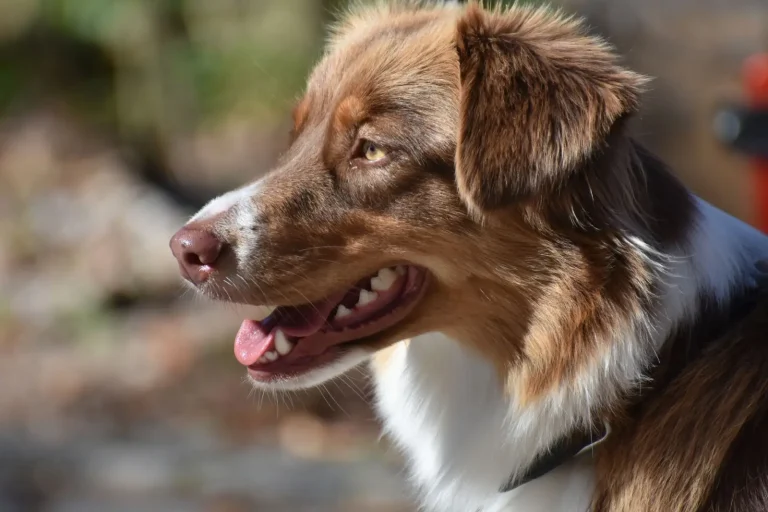

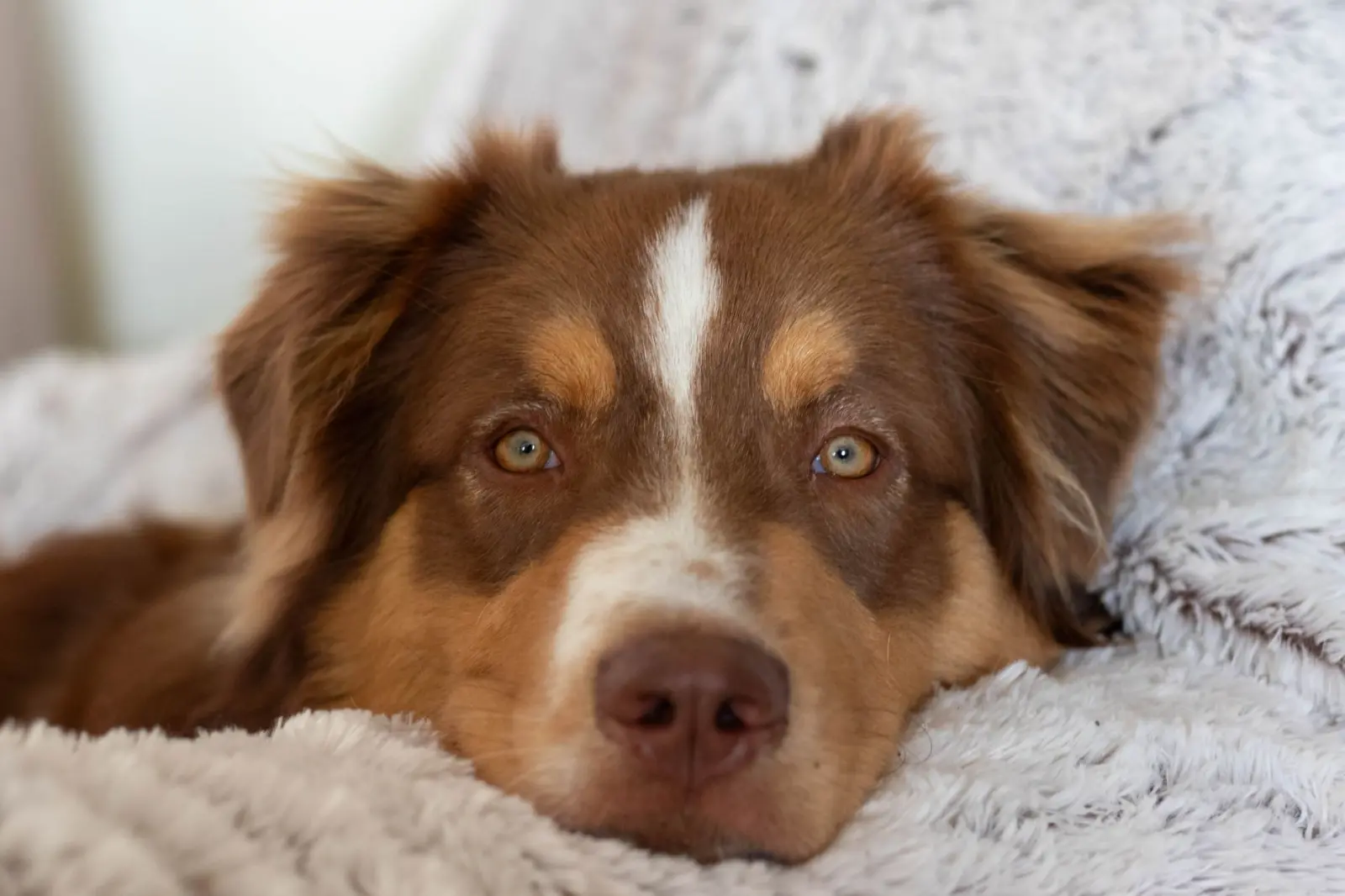
Australian Shepherds are prone to idiopathic epilepsy in ways that other breeds sometimes aren’t. Over years of working with these dogs, you notice patterns – not just in how seizures present, but in the circumstances surrounding them, the age they typically start, and how owners initially respond when it happens for the first time. It’s one of those conditions that sits somewhere between manageable and genuinely disruptive, depending on the individual dog and how well seizures respond to medication.
The first seizure is almost always shocking. Owners describe watching their dog suddenly go rigid, lose consciousness, and convulse – sometimes for just a few seconds, sometimes longer. What’s important to understand is that a single seizure doesn’t necessarily mean epilepsy. One seizure can happen to any dog for various reasons: a high fever, a toxin exposure, a metabolic imbalance. But when seizures start happening repeatedly, typically in dogs between six months and five years old, that’s when epilepsy becomes the working diagnosis. In Australian Shepherds, this inheritance pattern is well documented, which means responsible breeders test their lines and screen for it.
How Seizures Actually Look
Generalized tonic-clonic seizures are the most common type you’ll see. The dog loses consciousness, their muscles stiffen and then contract rhythmically, and they may urinate or defecate involuntarily. Some dogs paddle their legs as if running. Others seem to be chewing or their jaw clenches. The whole event might last thirty seconds to a few minutes, though it always feels longer to the owner watching it happen.
What many people don’t expect is what happens after. Most dogs enter a post-ictal phase where they’re disoriented, confused, or temporarily blind. Some pace. Some seem anxious or clingy. This can last anywhere from a few minutes to several hours. During this time, the dog isn’t themselves – they may not recognize familiar people or respond normally to commands. Understanding this is part of the post-seizure experience, not a sign that something else is wrong.
Focal seizures occur too, though less frequently in this breed. These affect just one part of the body – a leg twitching, one side of the face contracting – and the dog may or may not lose consciousness. These can be harder to recognize initially because they’re subtler, and owners sometimes mistake them for behavioral quirks or muscle spasms rather than neurological events.
Triggers and Patterns Worth Noticing
Stress, excitement, and fatigue genuinely seem to lower the seizure threshold in many Australian Shepherds. A dog might go months without a seizure, then have one after a stressful vet visit or a particularly intense play session. Some owners report clusters of seizures happening around times of household disruption – moving, new pets, changes in routine. This isn’t imaginary; stress hormones can influence seizure susceptibility.
Temperature changes occasionally play a role. A few dogs seize more frequently in heat or cold, though this isn’t universal. Certain times of the estrous cycle in females can correlate with increased seizure frequency, which suggests hormonal influence. Diet rarely causes epilepsy, but some owners report that feeding schedules or specific ingredients seem to matter for their individual dog – though this is anecdotal and varies widely.
What’s less commonly discussed is that some dogs have a clear trigger pattern and others don’t. Some seize predictably; others seem random. This unpredictability is part of what makes epilepsy frustrating for owners. You can’t always prevent seizures, even if you identify a pattern, because you can’t eliminate all stress or control every variable in a dog’s life.
Diagnosis and What to Expect
A veterinarian will typically start with a history and physical examination. If seizures have occurred multiple times, they’ll likely recommend bloodwork to rule out metabolic causes – low blood sugar, liver disease, kidney problems, toxin exposure. An EEG or MRI might be suggested if the presentation is unusual or if the dog is very young, though these aren’t always necessary for a diagnosis of idiopathic epilepsy.
Idiopathic epilepsy is essentially a diagnosis of exclusion. Once other causes are ruled out and the seizure pattern fits, that’s the working diagnosis. There’s no definitive test for it, which is why the history and pattern matter so much. A dog with two or three generalized seizures over several months, normal bloodwork, and no other neurological signs is almost certainly dealing with idiopathic epilepsy.
Some owners pursue advanced imaging anyway, and that’s reasonable if they want to be thorough. But it’s worth knowing that in many cases, the imaging will be normal. The seizure activity is happening, but the brain structure looks fine on a scan. This doesn’t change management – it just confirms what the clinical picture already suggested.
Medication and Long-Term Management
Phenobarbital is the most commonly prescribed medication for canine epilepsy, and it works reasonably well in most dogs. It takes a few weeks to reach therapeutic levels in the bloodstream, so you won’t see improvement immediately. Owners often need to be patient through that adjustment period. Some dogs respond excellently; their seizure frequency drops dramatically or stops entirely. Others have a partial response – fewer seizures, but not eliminated. A small percentage don’t respond well at all.
Levetiracetam is another option, sometimes used alone or alongside phenobarbital. It tends to have fewer side effects in some dogs, though it’s less established in veterinary medicine and can be more expensive. The choice between medications often comes down to individual response, cost, and how well the dog tolerates side effects.
Medication management requires commitment. Dogs need consistent dosing, regular bloodwork to monitor levels and organ function, and ongoing observation. Phenobarbital can affect the liver over time, so periodic blood tests are necessary. Owners who skip doses or are inconsistent with timing often see their dogs’ seizure control deteriorate, sometimes dramatically. This is one area where consistency genuinely matters.
Some dogs eventually need dose adjustments as they age or as their bodies adapt to the medication. Others maintain stable control on the same dose for years. The goal is to find the lowest effective dose that controls seizures while minimizing side effects – usually drowsiness, increased appetite, or increased thirst.
Living With an Epileptic Dog
The emotional weight of owning an epileptic dog is real, even if the condition is manageable. Watching your dog seize is unsettling every time, no matter how many times you’ve seen it. Many owners develop anxiety around their dog’s safety – worrying about seizures during walks, at the dog park, or when they’re away from home. Some restrict their dog’s activities unnecessarily out of fear, which can actually reduce quality of life more than the seizures themselves.
Most dogs with controlled epilepsy live normal lives. They can exercise, socialize, travel, and participate in family activities. The seizures happen, you manage them, and life continues. Some owners find it helpful to keep a seizure log – noting the date, time, duration, and any apparent triggers. Over months, patterns sometimes emerge that help with management or medication adjustment.
Safety considerations matter. A dog having a seizure shouldn’t be on a high surface where they could fall and injure themselves. During a seizure, you don’t need to do much – just keep them away from hazards and let the seizure run its course. The old advice about putting something in a dog’s mouth is wrong; let them seize without interference. Afterward, they’ll need time to recover, and most benefit from a quiet, calm environment.
Breeding decisions are important. If you own an Australian Shepherd with epilepsy, that dog shouldn’t be bred. The genetic component is significant enough that responsible breeders screen for the condition and exclude affected dogs from their programs. This is one of the clearest ways to reduce prevalence in the breed over time.
Australian Shepherds with epilepsy can live long, good lives with appropriate medication and management. The condition is frustrating and sometimes frightening, but it’s not a death sentence. What matters most is consistent care, realistic expectations, and understanding that while you can’t cure idiopathic epilepsy, you can usually control it well enough that the dog’s day-to-day existence isn’t severely compromised.