
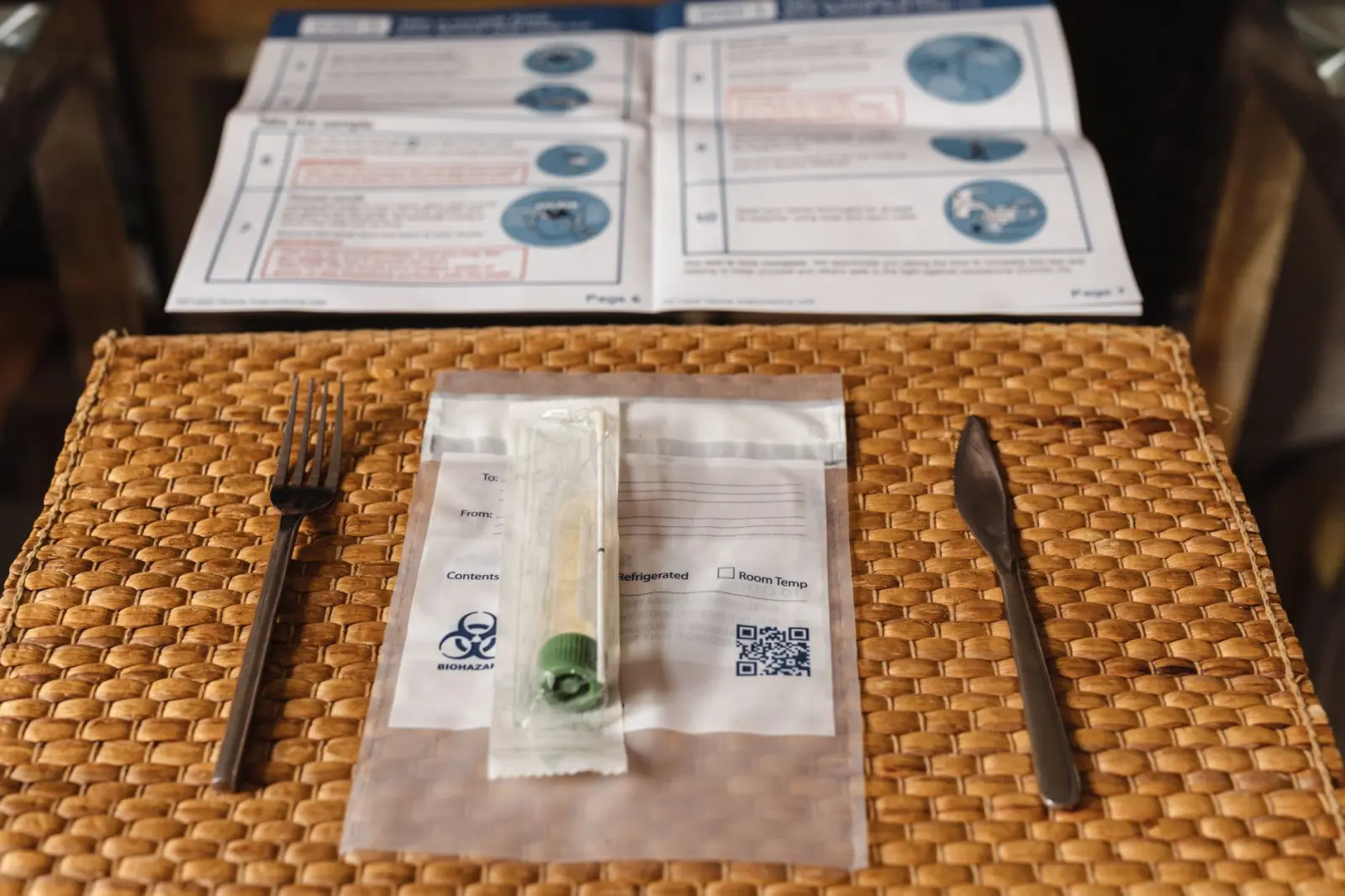
Australian Shepherds carry a handful of genetic conditions that show up reliably enough in the breed that testing has become standard practice among serious breeders. Over the years, I’ve watched the landscape of what we can test for expand considerably, and I’ve also watched owners become more informed about what those results actually mean. The technology itself is straightforward – a DNA sample, usually a cheek swab, sent to a lab – but the interpretation and the decisions that follow are where things get more nuanced.
The conditions most commonly screened for in Australian Shepherds are collie eye anomaly (CEA), progressive retinal atrophy (PRA), and hip dysplasia. CEA is a developmental issue affecting the eye during fetal growth; it ranges from barely noticeable to severe vision loss. PRA is a degenerative condition where the retina gradually deteriorates, typically leading to blindness over time. Hip dysplasia involves malformation of the hip joint, which can cause pain and mobility issues as the dog ages. These aren’t rare edge cases – they occur with enough frequency in the breed that you’ll encounter them if you work with enough dogs.
What the Tests Actually Measure
Genetic testing identifies whether a dog carries the mutation associated with a condition, not whether the dog will definitely develop symptoms. This distinction matters more than people initially realize. A dog can carry one copy of a recessive mutation and remain completely unaffected, while a dog with two copies faces a much higher likelihood of expressing the condition. Some conditions are dominant, meaning one copy is enough to cause problems. The inheritance pattern determines what a test result really tells you.
CEA testing, for instance, reveals whether a dog carries the mutation linked to the condition. Dogs with two normal copies are clear. Dogs with one copy are carriers but typically unaffected. Dogs with two copies are likely to show some degree of eye anomaly, though severity varies. I’ve seen dogs with two copies that had minimal clinical signs and others with the same genetic status that had noticeable vision compromise. The genetic test doesn’t predict severity – it just identifies risk.
PRA testing in Australian Shepherds typically screens for specific mutations associated with prcd-PRA (progressive rod-cone degeneration). Again, the test identifies carrier status and affected status, not the timeline or severity of vision loss. A dog testing as affected will very likely develop progressive vision loss, but the age of onset and rate of progression can vary.
Hip Dysplasia and the Screening Difference
Hip dysplasia testing works differently from the genetic mutation tests. The Orthopedic Foundation for Animals (OFA) and PennHIP screening involve radiographs evaluated by specialists who assess the degree of joint laxity and arthritic change. These aren’t genetic tests in the DNA sense – they’re phenotypic assessments, meaning they evaluate what you can actually see on imaging. A dog can have excellent hip scores and still carry genetic predisposition to dysplasia. Conversely, a dog with poor scores might have had environmental factors (growth rate, nutrition, exercise patterns) influence the outcome as much as genetics.
I’ve worked with breeders who screen hips religiously and still produce dogs with dysplasia, and others who are less systematic but happen to have good outcomes in their lines. This isn’t because screening doesn’t matter – it does – but because hip dysplasia is polygenic, meaning multiple genes contribute, and environmental factors play a real role. The screening identifies dogs with better structural integrity, which statistically reduces the risk of passing on dysplasia, but it’s not a guarantee.
What Breeders Are Actually Doing With Results
Responsible breeders use genetic test results to make breeding decisions. A dog that tests as a carrier for a recessive condition can still be bred if the other parent is clear, since all offspring will either be clear or carriers, but none will be affected. Two carriers bred together will produce some affected puppies, which most ethical breeders avoid. Dogs that test as affected for recessive conditions are typically removed from breeding programs, though some breeders will still use them if the condition is mild and manageable.
The reality is that not all breeders test, and not all breeders interpret results the same way. Some breeders view a carrier dog as unsuitable for breeding under any circumstances. Others are more pragmatic, understanding that removing all carriers from a breed’s gene pool isn’t always feasible or even desirable if it means losing other valuable genetic traits. The best breeders are transparent about their testing and their breeding decisions. If a breeder won’t share test results or gets defensive about them, that’s worth noting.
What Owners Need to Know Before Buying
When you’re looking at a puppy, asking for genetic test results on the parents is reasonable. A reputable breeder should have documentation from recognized labs like the Canine Health Information Center (CHIC) or similar organizations. Don’t accept verbal assurance alone – ask for actual results. If a breeder hasn’t tested, that’s information too, and you can factor that into your decision.
Understanding what the results mean is equally important. A puppy whose parents both tested clear for CEA will not develop CEA. A puppy whose parents are both carriers has a 25 percent chance of being affected and a 50 percent chance of being a carrier. A puppy from one clear parent and one carrier parent will be either clear or a carrier, never affected. Knowing these odds helps you make an informed choice and set realistic expectations.
It’s also worth understanding that genetic testing doesn’t cover every possible health issue in the breed. Australian Shepherds can develop other conditions that aren’t routinely screened for, including certain cancers, autoimmune disorders, and neurological issues. Genetic testing is one tool in a larger picture of breed health. Good breeding practices, honest health history, and reasonable expectations about what any dog might face are equally important.
If you already own an Australian Shepherd and haven’t had genetic testing done, whether it’s worth doing depends on your situation. If you’re planning to breed, testing is essential. If you’re simply a pet owner, testing won’t change your dog’s care or lifespan, though it might give you useful information about what to watch for. A dog that tests as a carrier for PRA won’t suddenly develop the condition because you found out about it – but knowing the status might help you monitor vision more carefully as the dog ages.
The evolution of genetic testing in dogs has given us better information than we had even ten years ago, but it’s also created a false sense of certainty in some cases. A clear genetic test is reassuring. A positive result requires thoughtful interpretation and doesn’t necessarily mean a dog will face serious health problems. What matters most is working with breeders who test, who are honest about results, and who breed thoughtfully with the whole picture in mind.