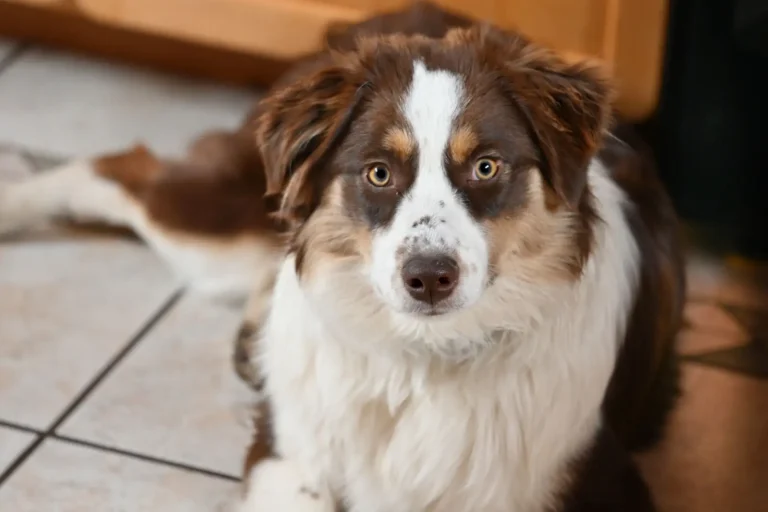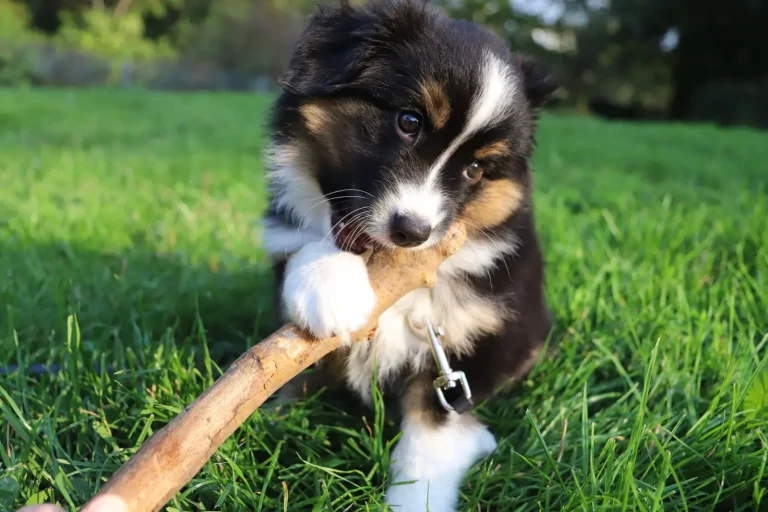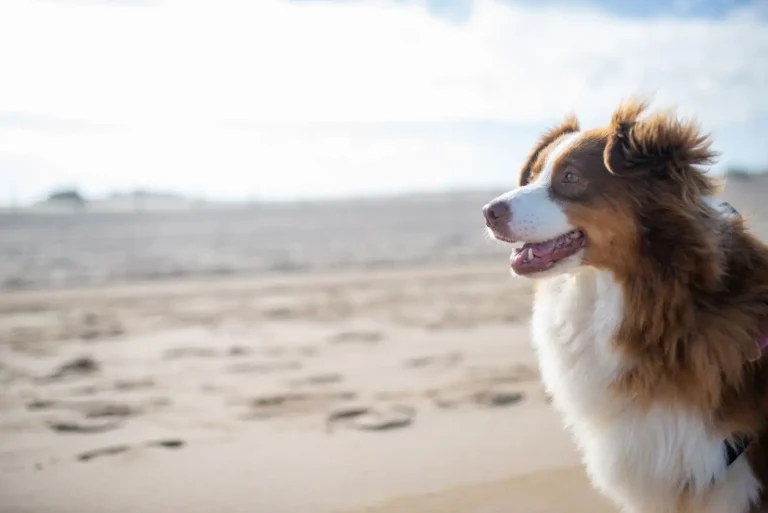

Australian Shepherds develop ear infections more often than many other breeds, and after working with dozens of them over the years, I’ve noticed the pattern is remarkably consistent. It’s not random bad luck – it’s rooted in their ear structure and the environments they typically live in. The breed has medium-length ears with a folded shape that creates a naturally warm, moist pocket. That anatomy alone predisposes them to trouble, but what actually triggers an infection is usually a combination of factors that accumulate over weeks or months.
The first sign most owners notice is a shift in the dog’s behavior around the head. An Australian Shepherd might start tilting their head more frequently, or you’ll catch them scratching at one ear repeatedly. Some shake their heads in that vigorous way that seems almost aggressive. The ear itself often looks unremarkable at first – maybe slightly redder at the inner flap, or you might notice a faint smell when you lean in close. That smell is diagnostic. It’s not a strong odor necessarily, but it’s distinctly different from normal dog ear smell. It’s yeasty, sometimes slightly sour.
What’s Actually Happening Inside
Ear infections in this breed typically involve either bacteria or yeast, and yeast is far more common than most people assume. The warm, folded environment creates ideal conditions for Malassezia, a yeast that lives on skin naturally but proliferates when moisture and warmth increase. Bacterial infections often follow yeast problems – secondary infections that develop when the ear canal is already inflamed and compromised. I’ve seen cases where owners treated only the bacterial component and the yeast returned within weeks because the underlying yeast wasn’t addressed.
The progression is usually gradual. Early on, the dog is uncomfortable but not in severe pain. They might paw at the ear or shake their head after playing in water or swimming. If you look inside, the ear canal appears pink or slightly swollen. Discharge, if present, is minimal. At this stage, many owners assume it will resolve on its own. It rarely does. Over the next week or two, the discharge increases – it becomes waxy, sometimes dark brown or yellowish. The smell intensifies. The dog becomes noticeably more irritated, and you might see them rubbing their head on the floor or against furniture.
Why Water and Moisture Matter More Than People Think
Australian Shepherds are active dogs that often spend time outdoors, swimming, or playing in wet conditions. Water trapped in the ear canal is one of the most overlooked risk factors. After swimming or bathing, the ear canal stays damp for hours, sometimes longer. That moisture combined with the folded ear structure creates a perfect incubator. I’ve worked with owners who bathed their dogs weekly and couldn’t understand why infections kept recurring. The issue wasn’t the bathing itself – it was incomplete drying afterward.
Some dogs are simply more prone to retaining water in their ears than others. It depends on ear canal angle and how tightly the ear folds. You can observe this yourself by watching how quickly water drains after a swim. If your Australian Shepherd seems to hold water longer than other dogs, that’s a red flag for future infection risk. The breed’s working heritage also plays a role. Many are still used for herding or outdoor work, which means regular exposure to dust, pollen, and moisture in rural or farm settings. These environmental factors irritate the ear canal and create inflammation that invites infection.
Allergies as the Root Cause
What I’ve noticed most consistently is that ear infections in Australian Shepherds are frequently secondary to allergies. The dog might have a food sensitivity, environmental allergies, or contact dermatitis. The allergic response causes inflammation and changes the ear canal’s chemistry, making it susceptible to yeast or bacterial overgrowth. A dog with chronic itching will scratch and shake their head more vigorously, which can introduce bacteria and further damage the ear canal lining.
The connection isn’t always obvious. An owner might see the ear infection and treat it without realizing the dog has an underlying allergy. The infection clears up, but within a few weeks or months, it returns. This cycle repeats. I’ve seen dogs go through three or four rounds of antibiotics in a year because the allergy was never addressed. Signs of allergies beyond ear problems include itchy paws, red or irritated skin, and excessive licking. If your Australian Shepherd has these symptoms, the ears are likely involved even if you haven’t noticed an active infection yet.
What Happens When Infections Aren’t Caught Early
Delaying treatment changes the complexity of the problem significantly. A mild infection that could be resolved with topical medication in one to two weeks becomes a deeper issue. The inflammation spreads further into the ear canal. The eardrum can become involved – a condition called otitis media. At that point, the dog experiences real pain, not just discomfort. They might hold their head tilted permanently or show signs of balance problems. Systemic antibiotics become necessary, and recovery takes longer.
I’ve encountered cases where chronic, untreated infections led to permanent changes in the ear canal. Scarring and thickening of the canal tissue can make future infections more likely and harder to treat. Some dogs develop what’s called otitis externa chronica, where the ear canal becomes permanently altered. This isn’t common, but it’s preventable with prompt attention to early signs.
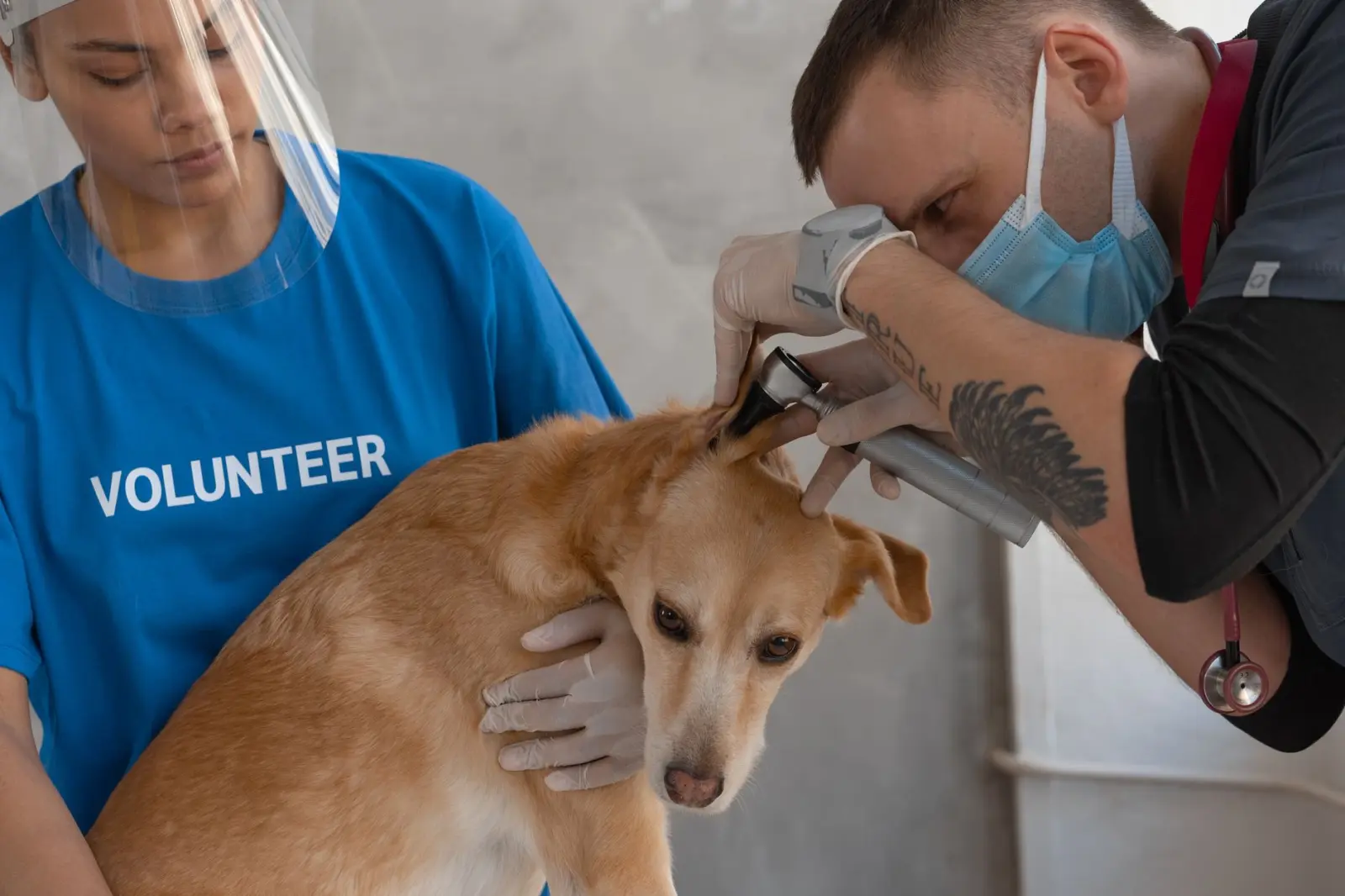
The practical reality is that Australian Shepherds benefit from regular ear checks, especially if they spend time in water or have any history of allergies. You don’t need a vet for routine inspection – just look inside the ear once a week and note any changes in color, smell, or discharge. If you catch redness or odor early, a vet visit at that point usually results in a straightforward treatment plan. Wait until the dog is shaking their head constantly and the discharge is heavy, and you’re looking at a more involved situation.