
Australian Shepherds have a working heritage that shaped their tolerance for varied conditions, but summer heat presents a genuine challenge for the breed. Their double coat, while essential for temperature regulation in milder climates, becomes a liability when temperatures climb consistently into the 80s and beyond. Over years of working with these dogs, I’ve noticed that owners often underestimate how much the breed struggles during hot months, partly because Aussie Shepherds maintain their energy and drive even when uncomfortable. This masks the actual physiological stress they’re experiencing.
The coat itself is the starting point for understanding heat management. Unlike single-coated breeds, Australian Shepherds have both a dense undercoat and longer guard hairs. This combination insulates effectively in cool weather but traps heat close to the skin when it’s warm outside. The undercoat doesn’t shed all at once in spring; it releases gradually over weeks and months. Many owners brush their dogs weekly during this period, but the reality is that daily brushing during peak shedding season removes significantly more loose hair and allows better air circulation to the skin. I’ve seen dogs that received daily attention during summer shed noticeably less dander and maintain cooler body temperatures than those brushed less frequently.
Hydration and Water Access
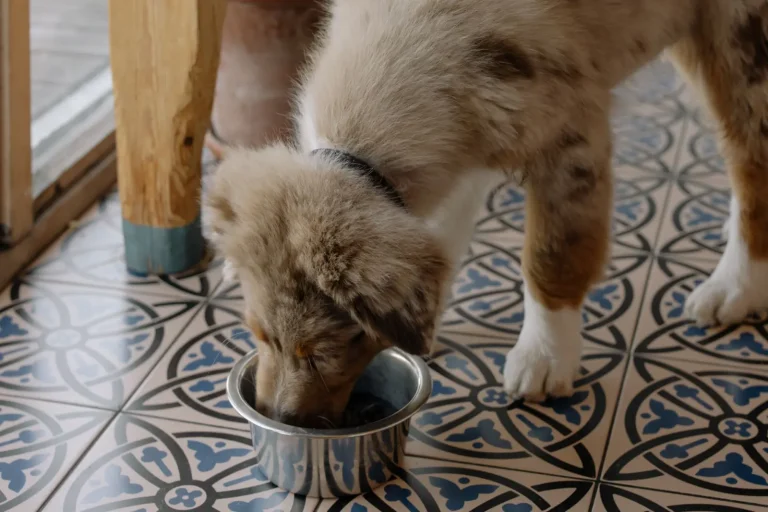
Water availability seems obvious, but the practical application matters more than the principle. Australian Shepherds working or playing in heat will drink water when it’s cold and readily available, but they’re less likely to drink warm water sitting in a bowl all day. A dog that’s mildly dehydrated doesn’t show obvious signs until the situation becomes serious. What I’ve observed is that dogs with access to fresh, cool water throughout the day maintain better energy levels and show fewer signs of heat stress. This means refilling water bowls multiple times daily, not just in the morning and evening. During particularly hot stretches, some owners freeze water bowls or use insulated containers to keep water cooler longer. It’s a small effort that has a measurable effect on how the dog moves and behaves.
The timing of exercise and activity is where most owners make adjustments, but not always the right ones. The instinct is to keep dogs inside during the hottest parts of the day, which is reasonable, but Australian Shepherds are bred to work and need mental and physical engagement. Restricting them to air-conditioned spaces for eight or ten hours creates a different kind of stress. Early morning and evening exercise, when temperatures are lower, allows them to maintain their normal activity levels without the heat burden. I’ve found that dogs exercised during cooler hours sleep better, show fewer behavioral issues from boredom, and handle the heat of midday more easily because they’ve already expended energy when conditions were manageable.
Environmental Setup and Resting Areas
Where a dog rests during the day affects how well they manage heat. A shaded outdoor area with good air circulation is better than a sunny spot, but an air-conditioned indoor space is better still. The catch is that many Australian Shepherds resist staying inside when they could be outside, even if outside is hot. Some owners use covered porches, garage areas with open doors, or shaded enclosures that allow the dog to be outside without direct sun exposure. These setups work reasonably well, though they’re not as effective as climate-controlled spaces. Tile or concrete floors stay cooler than carpet or wood, which matters when a dog is resting for hours. I’ve noticed dogs often seek out bathrooms or kitchen tile areas during hot afternoons, which is their way of finding relief.
Cooling mats and vests exist in various forms, and their effectiveness varies. Some dogs will lie on a cooling gel mat consistently; others ignore them entirely. Wet towels placed in a freezer for a few hours and then draped in a resting area provide temporary relief, though they warm up fairly quickly. Cooling vests designed for dogs work better when the dog is moving or when it’s moderately warm rather than extremely hot. They’re not a substitute for shade, water, and reduced activity during peak heat.
Recognizing Heat Stress
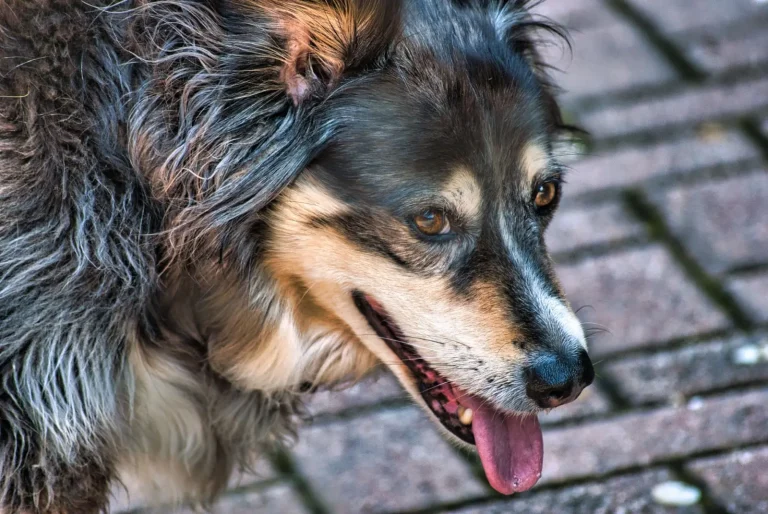
The signs that matter are the ones that indicate actual physiological stress rather than just discomfort. Excessive panting is normal in heat, but panting that doesn’t slow down even when the dog is resting in a cool area suggests the dog is struggling. Drooling more than usual, lethargy that goes beyond normal rest, or reluctance to move can indicate heat exhaustion rather than just heat sensitivity. Some dogs become restless and unable to settle, which is another warning sign. Vomiting or diarrhea during hot weather sometimes relates to heat stress, though it can also stem from other causes. The key observation is whether the dog returns to normal behavior once cooled down or whether the signs persist.
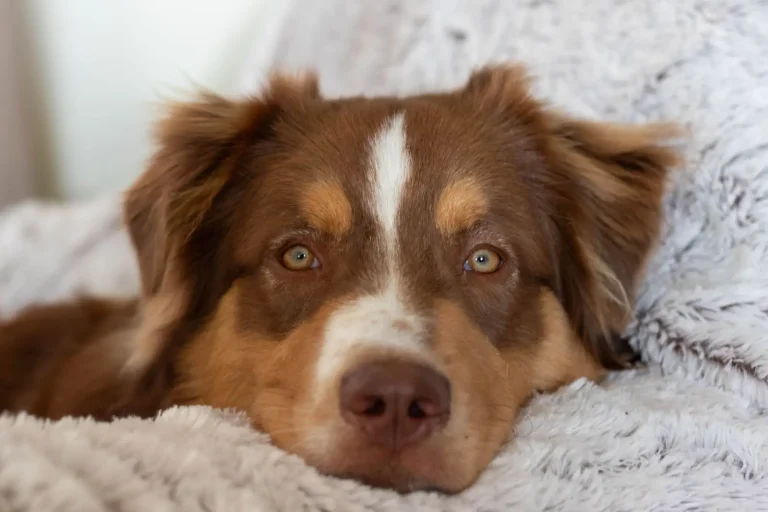
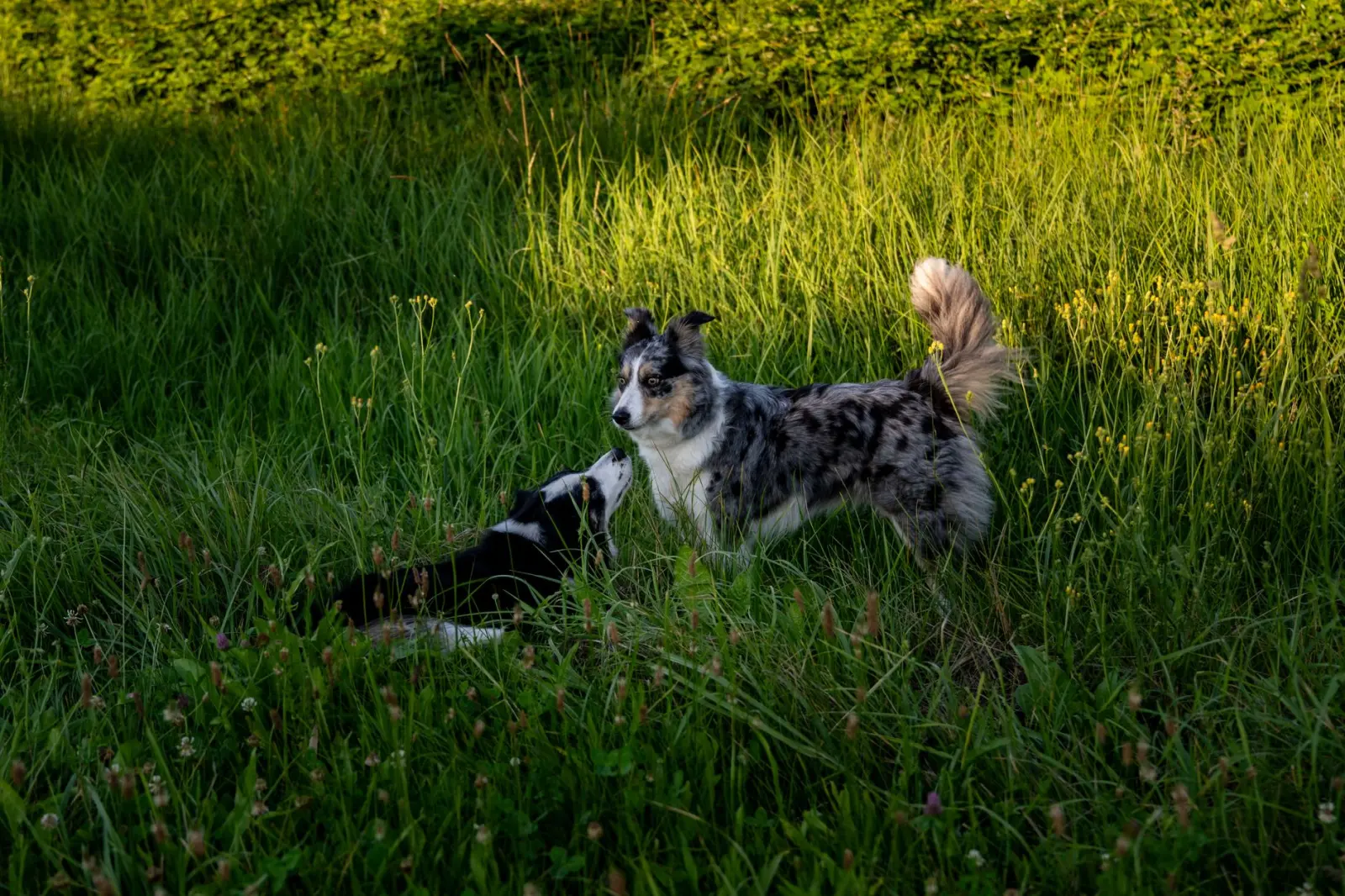
Breed characteristics also matter here. Australian Shepherds with darker coat colors absorb more heat than lighter-colored dogs. Red merles, black tris, and solid black dogs tend to struggle more than blue merles or lighter variants. Age and fitness level play roles too. Older dogs and overweight dogs have more difficulty regulating temperature. Dogs with underlying respiratory issues or heart conditions are at higher risk during heat stress. These factors don’t mean those dogs can’t be managed safely in summer, but they require more careful attention and earlier intervention if heat stress develops.
The reality of summer with an Australian Shepherd is that it requires consistent attention and adjustment. It’s not about following a rigid protocol but rather understanding how your individual dog responds to heat and making practical modifications based on what you observe. Dogs that are brushed regularly, have constant access to cool water, exercise during cooler hours, and rest in shaded or climate-controlled spaces manage summer reasonably well. Those that lack one or more of these elements tend to show more obvious signs of heat stress and behavioral changes. The breed’s drive and work ethic can mask discomfort, which is why proactive management based on conditions rather than waiting for the dog to show distress makes a meaningful difference.